Where to Visit in İstanbul in Summer?
In summer, prioritize the Bosphorus shore, the Golden Horn, and early-morning visits to Sultanahmet's historic core — heat and humidity make midday outdoor sightseeing uncomfortable, especially in July and August. Pair indoor cool-downs (the Basilica Cistern, museums) with water-adjacent and shaded outdoor stops, and shift the busiest landmarks to sunrise or evening.
İstanbul summers run hot, humid, and mostly dry — June through August sees daytime highs of 25–29°C, with July and August the driest and most intense months. The real challenge isn't the temperature alone; it's the combination of heat, high humidity, and direct sun across the historic peninsula's open stone squares. A smart summer visit isn't about avoiding the city's best sights — it's about resequencing when and where you see them.
The Heat Problem, and How to Plan Around It
July and August are consistently rated less comfortable than June or September, largely due to high humidity rather than peak temperature alone. Heatwaves do occur, occasionally pushing past 36°C, and the city's urban heat island effect means nights cool down less than you'd expect. The practical response is straightforward: front-load your day.
Morning (7–10 AM): This is your window for Sultanahmet's open-air landmarks — Hagia Sophia's exterior, the Blue Mosque, the Hippodrome, Topkapı's courtyards. The stone squares here have minimal shade and reflect heat aggressively by mid-morning. Arriving at opening isn't just about crowds in summer — it's about temperature.
Midday (11 AM–4 PM): Shift indoors or underground. The Basilica Cistern stays cool year-round by nature of being underground. The Istanbul Archaeology Museums, Pera Museum, İstanbul Modern, and the Grand Bazaar's covered vaults all offer genuine relief from direct sun.
Evening (6 PM onward): This is when the Bosphorus shore comes alive. Ortaköy's waterfront, the Galata Bridge, and a sunset at Pierre Loti Hill or Süleymaniye's terrace all work better in summer's lower evening light than in the flat midday glare.
Where the Water Helps
İstanbul's geography is its own cooling system in summer, and the smart move is to lean into it rather than fight the heat on stone squares.
The Bosphorus shore — Ortaköy, Beşiktaş, Karaköy's Galataport waterfront — stays several degrees more comfortable than the inland historic core simply by virtue of the sea breeze. A Bosphorus ferry ride doubles as both sightseeing and air conditioning; it's one of the few activities in the city that's genuinely better in summer than in any other season.
The Golden Horn waterfront, from Eminönü to Balat, offers a similar advantage with less crowding than the Bosphorus shore proper.
What to Deprioritize in Peak Summer
Long uphill walks with no shade — the climb to Pierre Loti Hill on foot, for instance — are miserable at midday in July and August. Take the cable car instead and save the walk for an October trip. Similarly, a full Sultanahmet day that tries to cover all seven landmarks in one stretch without an indoor break is the single most common way visitors end up overheated and museum-fatigued by 2 PM.
Practical Summer Adjustments
Hydration matters more than itinerary pace. Refill at any of the public fountains scattered through the historic core, and treat the early-afternoon slump as a built-in indoor block rather than wasted time. Sunscreen and a hat are non-negotiable on the open squares — Sultanahmet Square and the courtyards of Topkapı have essentially no tree cover.
Dress for mosque visits with summer heat in mind: lightweight, long layers that still meet the modesty requirement (covered shoulders and knees) beat anything tight or synthetic once you're standing in a queue in direct sun.
Morning: Sultanahmet's Historic Core
Hagia Sophia, the Blue Mosque, Topkapı Palace, and the Hippodrome are best tackled between 7 and 10 AM in summer, when the open stone squares haven't yet absorbed the day's heat and the crowds are still thin.
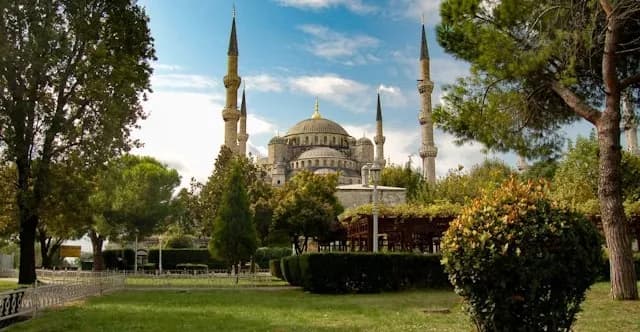 Historic SiteFree
Blue Mosque
Sultanahmet
Istanbul's most iconic mosque, renowned for its six minarets and blue-tiled interior.
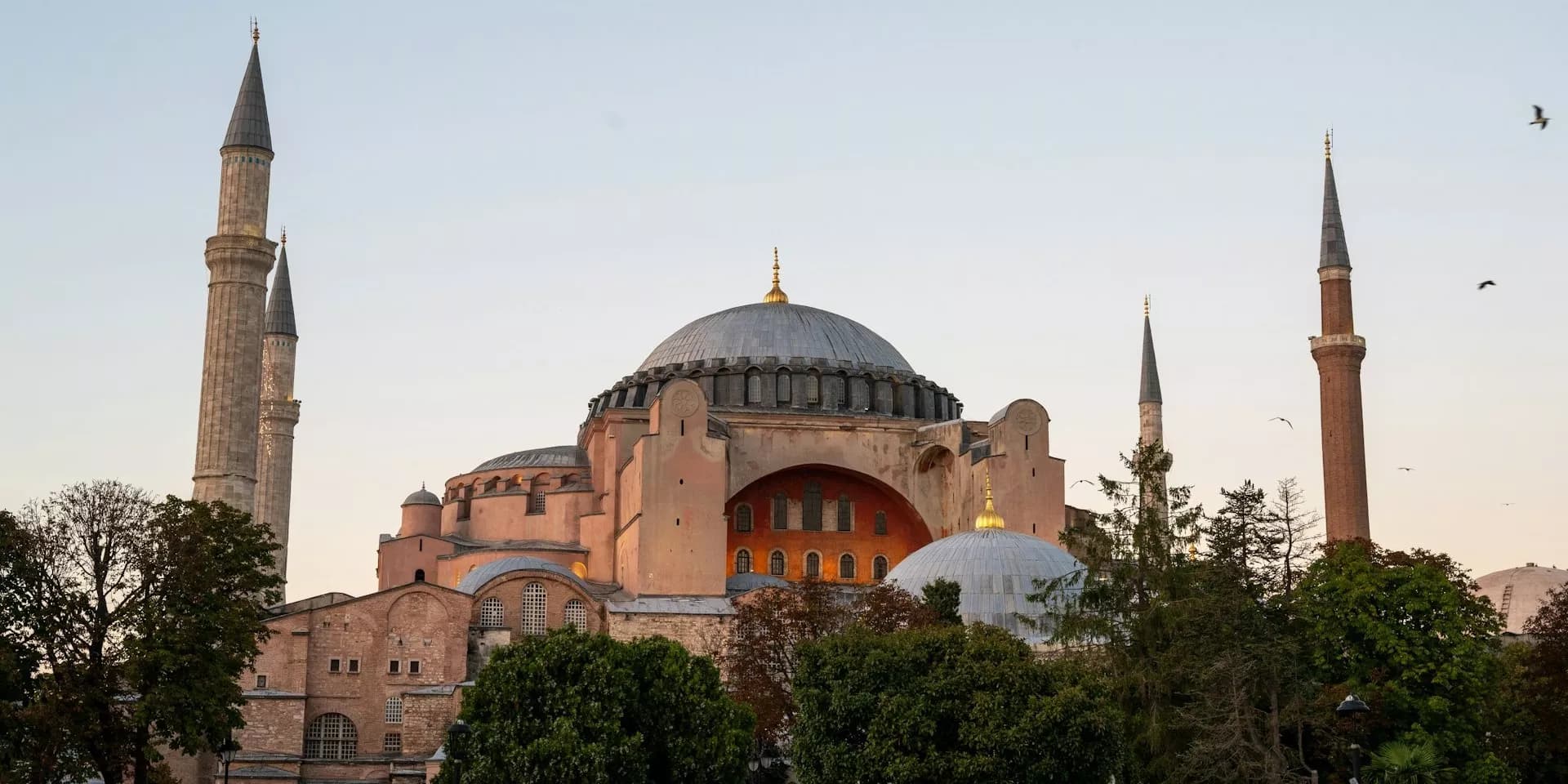 Historic Site€28
Hagia Sophia
Sultanahmet
A breathtaking architectural wonder bridging two thousand years of history.
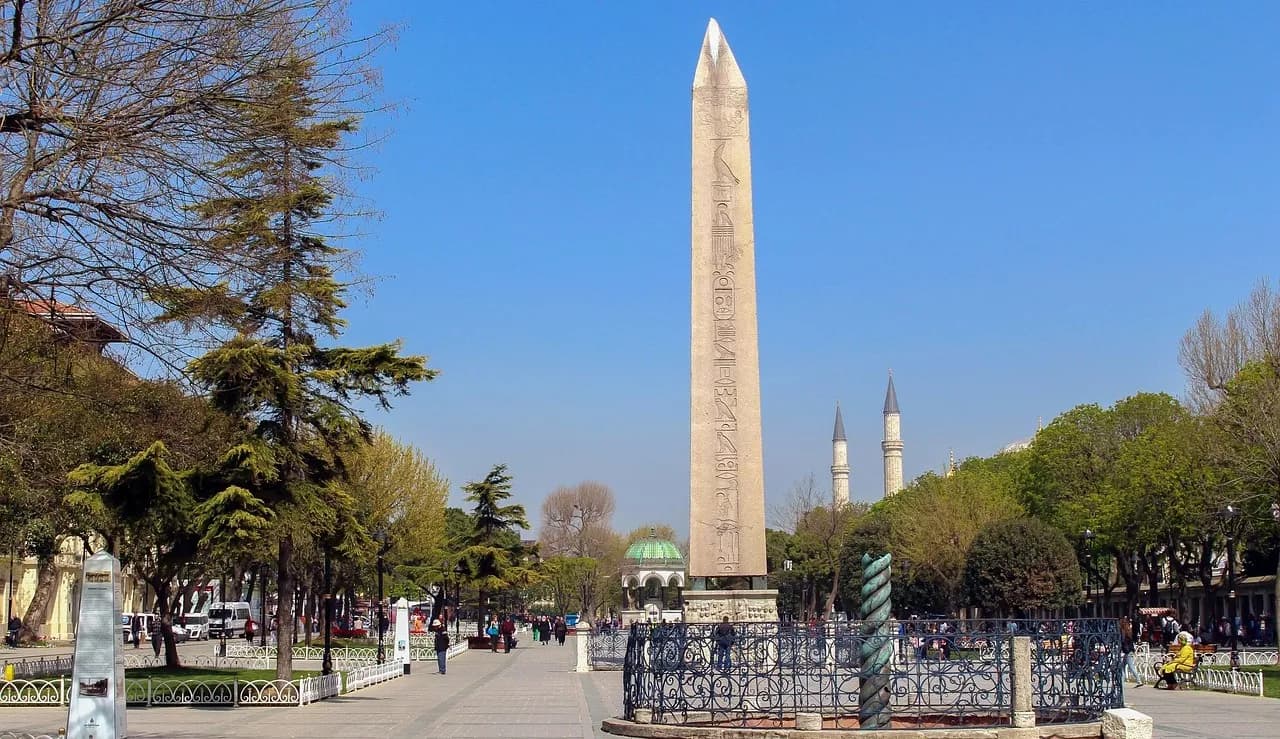 Historic SiteFree
Hippodrome
Sultanahmet
Ancient Constantinople's grand chariot racing arena, now an open-air monument.
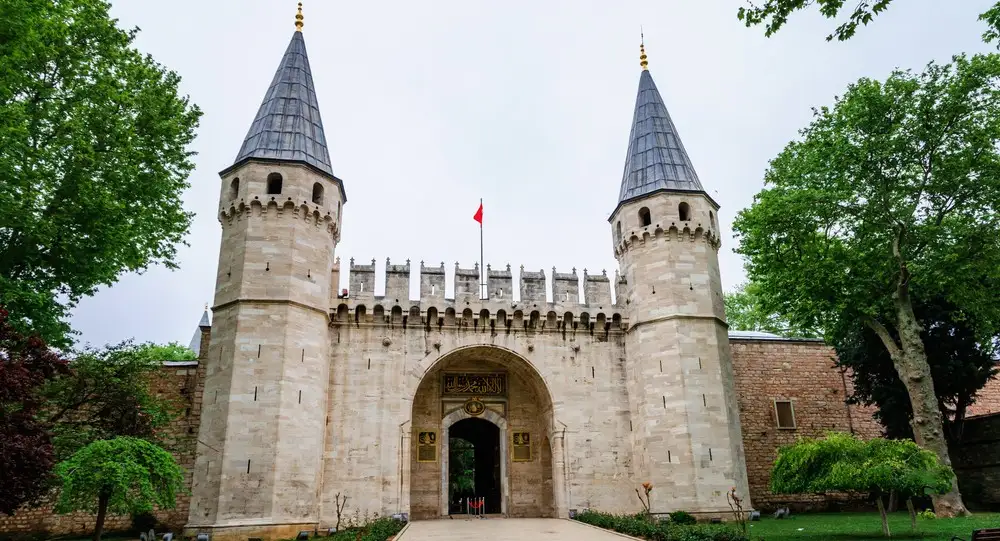 Museum€60
Topkapı Palace
Fatih
The magnificent seat of Ottoman power, overlooking the Bosphorus for centuries.
Midday: Indoor and Underground Cool-Downs
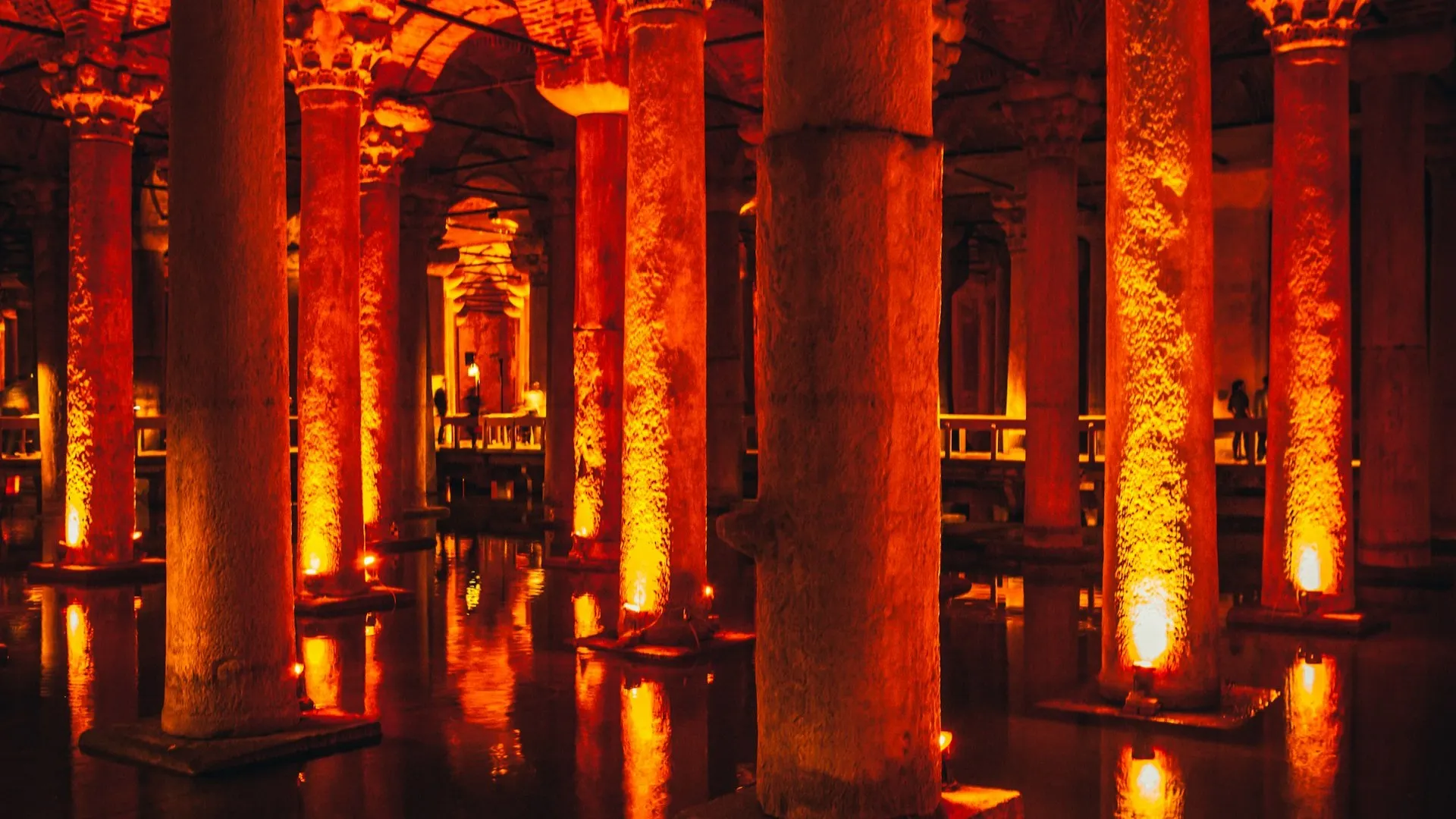
The Basilica Cistern, the Istanbul Archaeology Museums, Pera Museum, İstanbul Modern, and the covered vaults of the Grand Bazaar offer genuine relief from peak summer sun between 11 AM and 4 PM, when outdoor sightseeing becomes uncomfortable.
 Historic Site€40
Basilica Cistern
Sultanahmet
An ancient underground wonder, where Byzantine engineering meets ethereal beauty.
 Market€null
The Grand Bazaar
Fatih
One of the world's oldest and largest covered markets, a feast for the senses.
 Museum€15
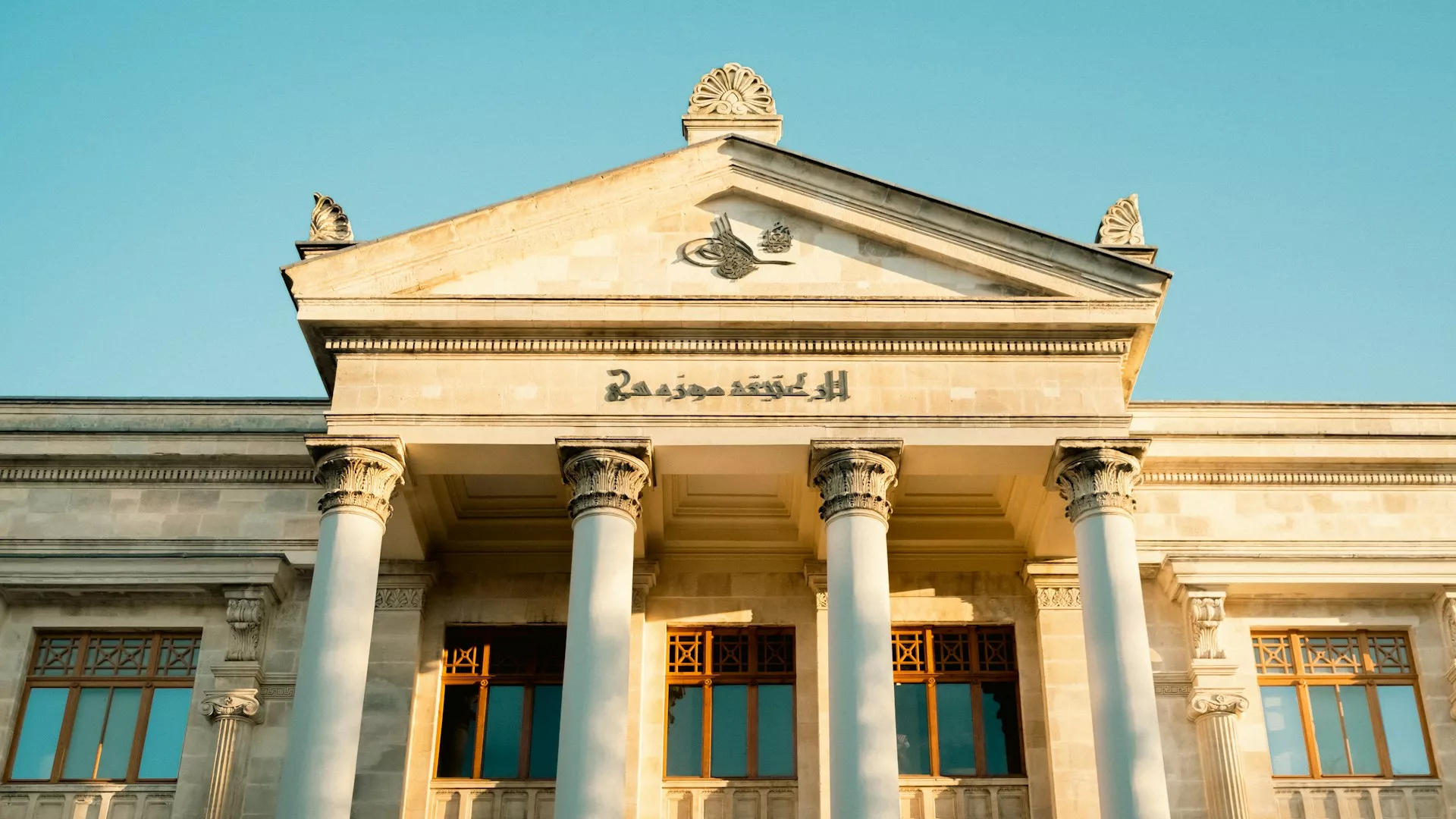
Istanbul Archaeology Museums
Fatih
A world-class trove of antiquities, spanning eight thousand years of civilisation.
 Museum€26
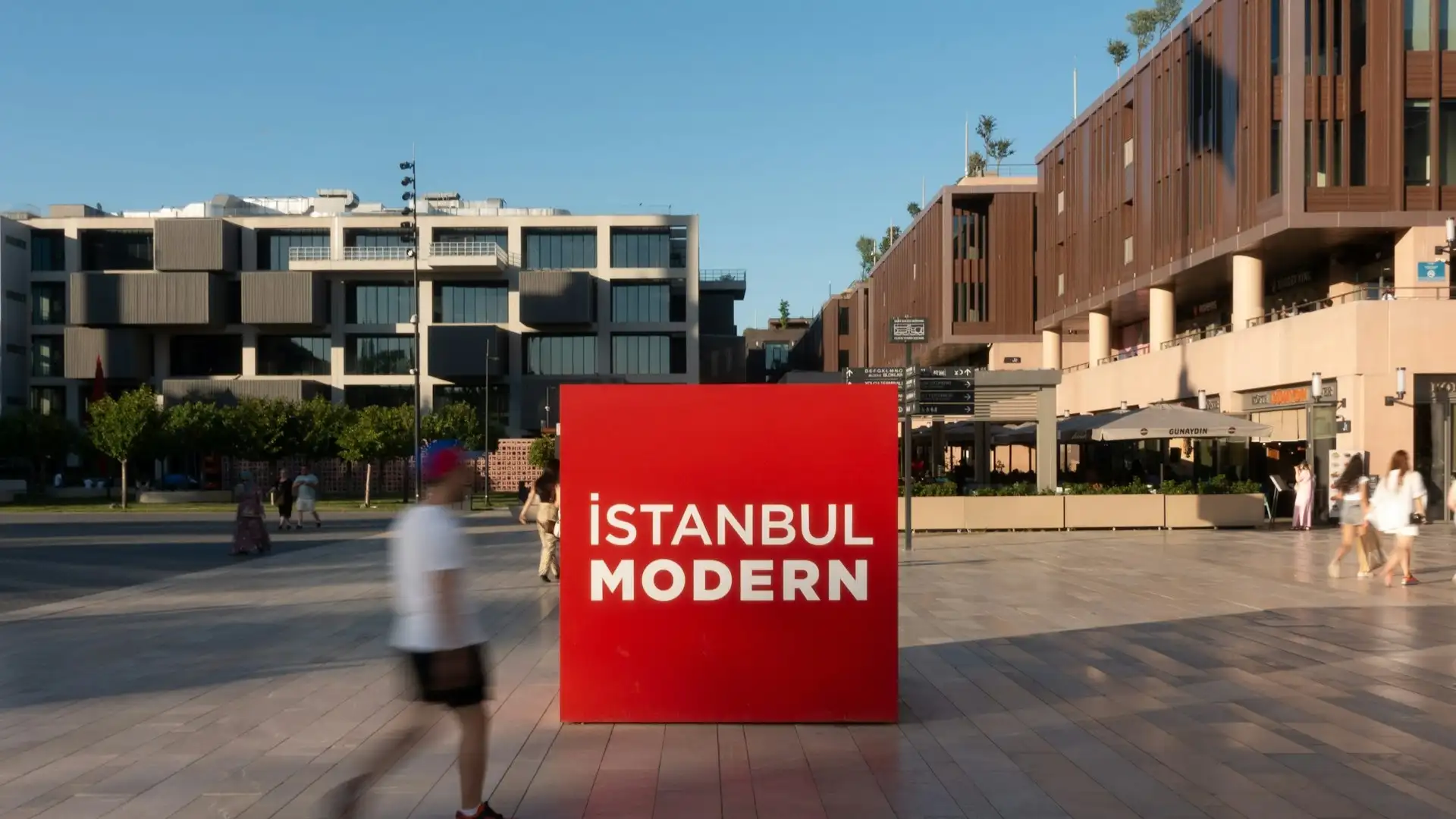
İstanbul Modern
Beyoğlu
Turkey's leading contemporary art museum, a bold new home on the Bosphorus shore.
 Museum€6
Pera Museum
Beyoğlu
A refined Beyoğlu gem, home to Orientalist masterpieces and world-class exhibitions.
 Museum€2
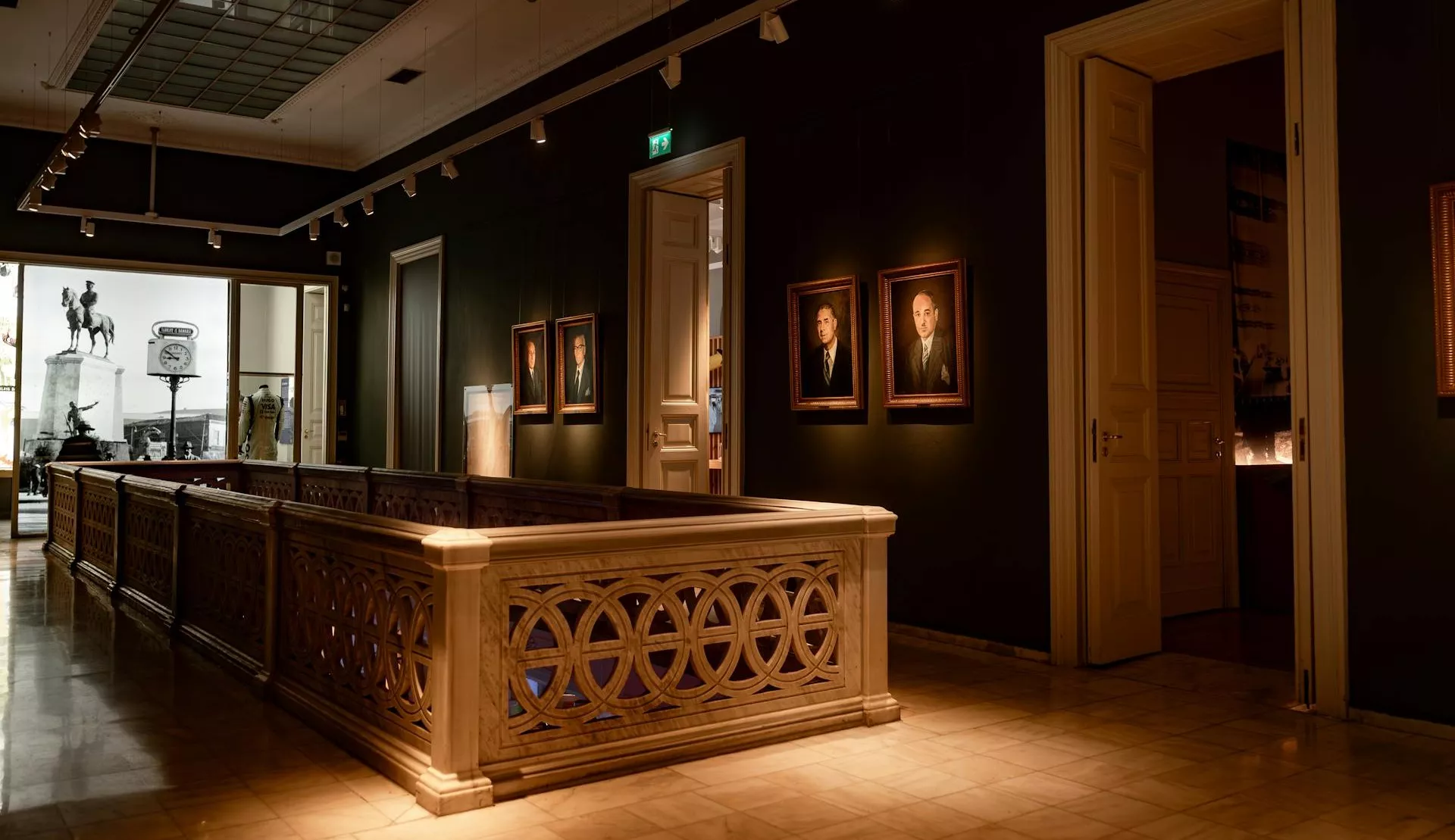
İş Bankası Painting and Sculpture Museum
Beyoğlu
A hidden cultural gem, showcasing a century of Turkish modern art in Beyoğlu.
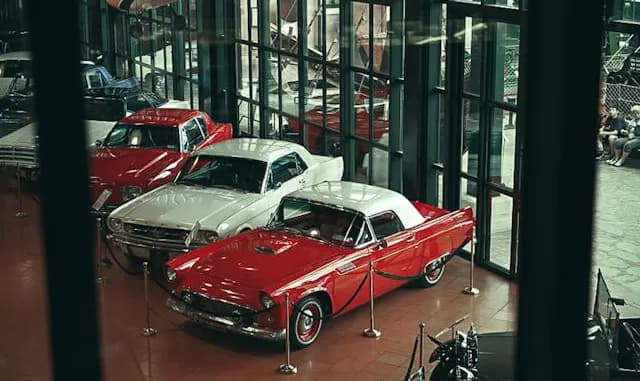 Museum€13
Rahmi Koç Museum
Beyoğlu
Istanbul's most fascinating industrial museum, a treasure trove of transport and technology.
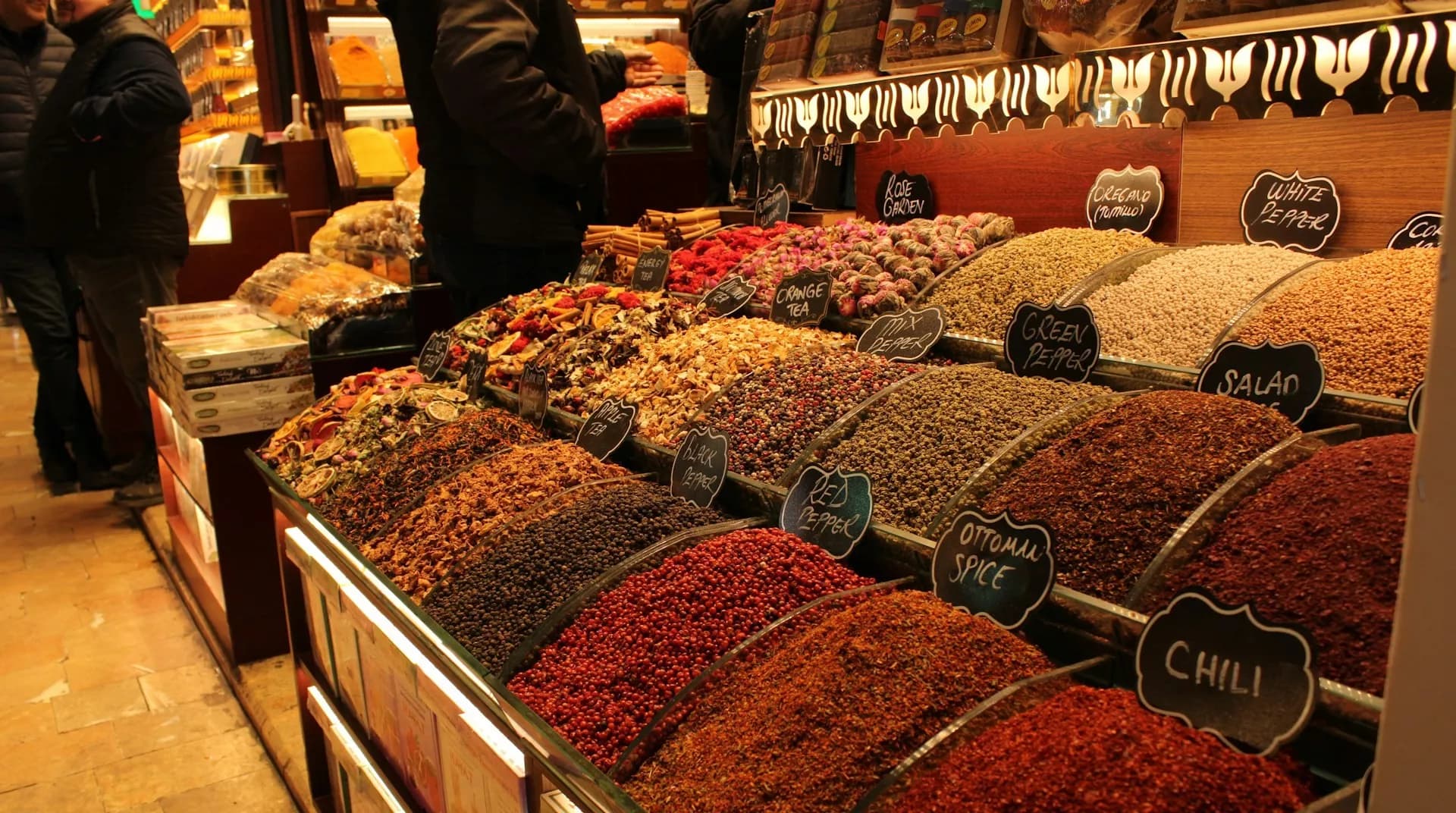 MarketFree
Spice Bazaar
Fatih
Istanbul's most fragrant marketplace, overflowing with spices, sweets, and colour.
Evening: The Bosphorus and Golden Horn
Ortaköy's waterfront, the Galata Bridge, and sunset viewpoints like Pierre Loti Hill and the Süleymaniye terrace come into their own after 6 PM, when summer's harsh midday light softens and the sea breeze picks up.
 Historic SiteFree
Ortaköy Mosque
Beyoğlu
A fairytale Baroque mosque nestled at the Bosphorus shore beneath the great bridge.
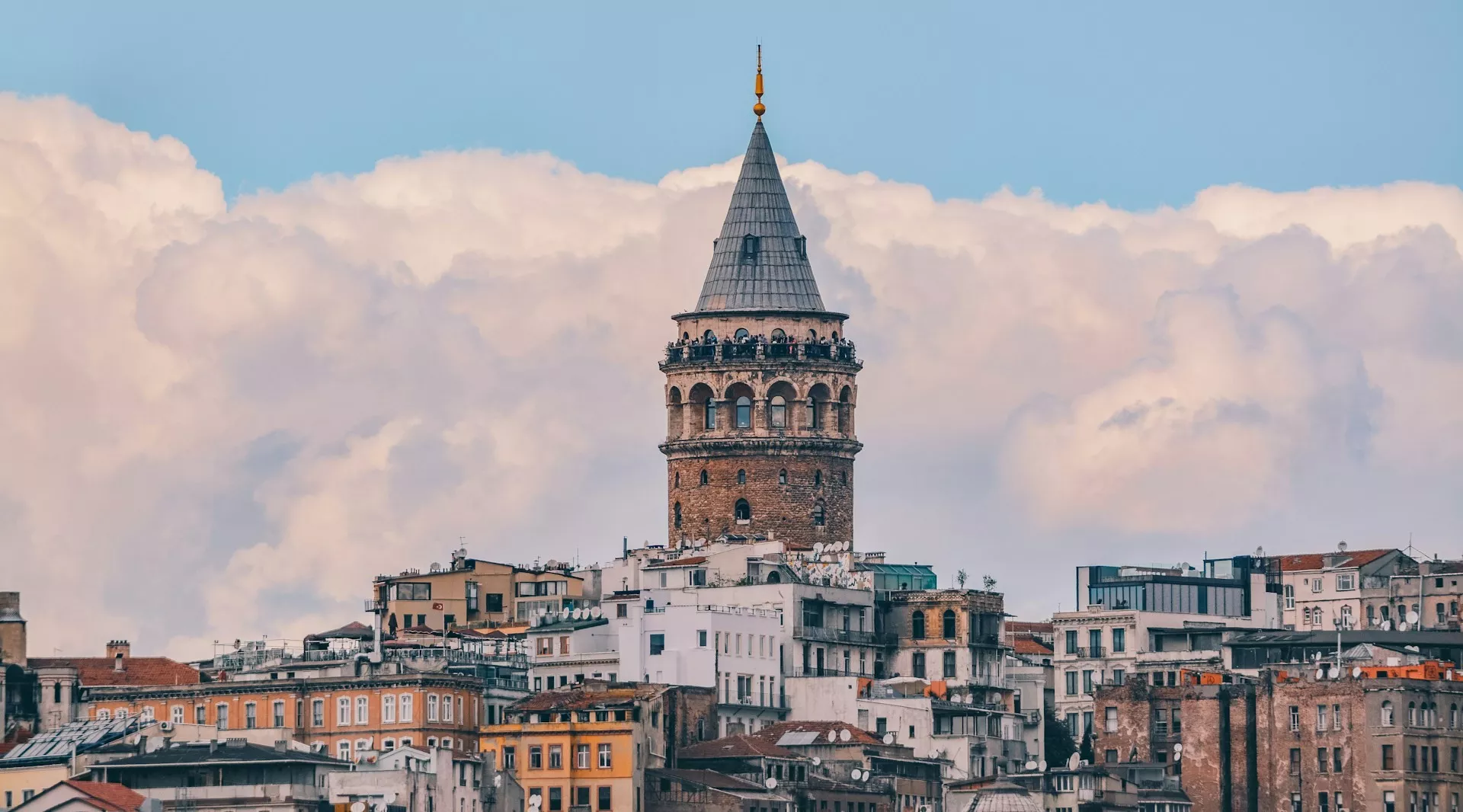 Museum€40
Galata Tower
Beyoğlu
A medieval stone tower soaring above Karaköy with breathtaking Bosphorus views.
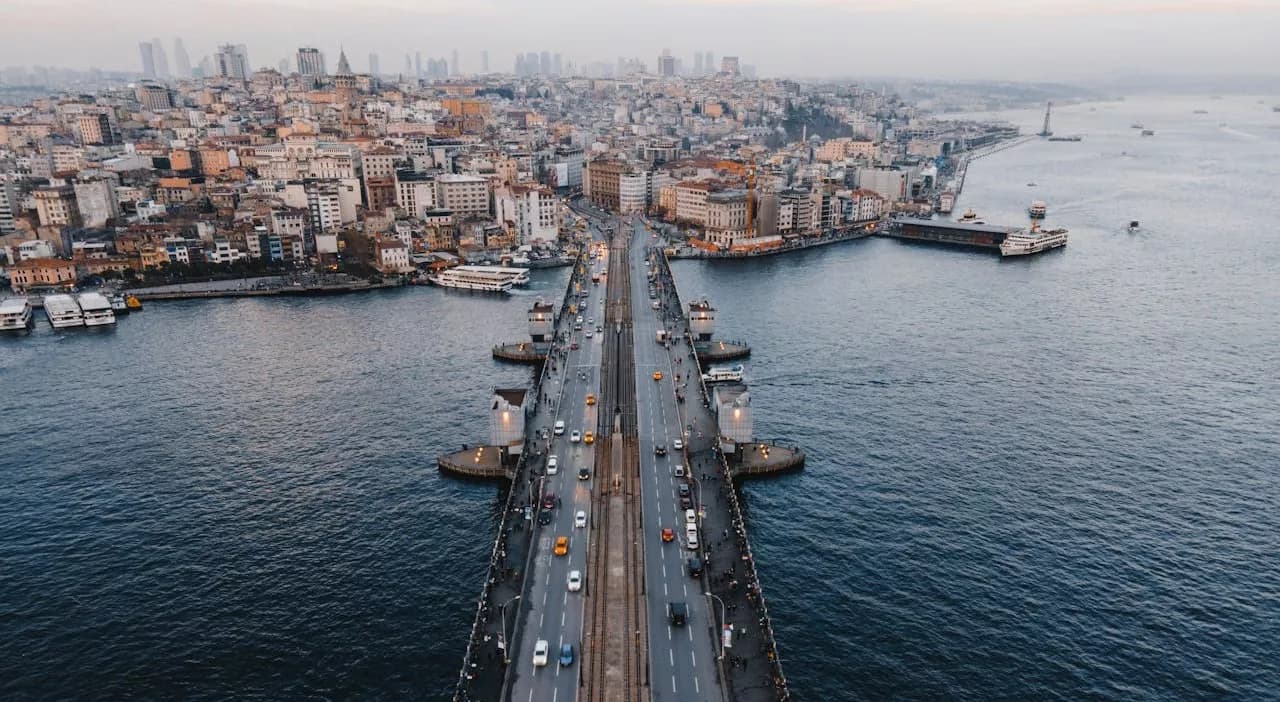 NightlifeFree
Galata Bridge
Beyoğlu
Istanbul's most animated bridge, alive with fishermen, ferries, and golden views.
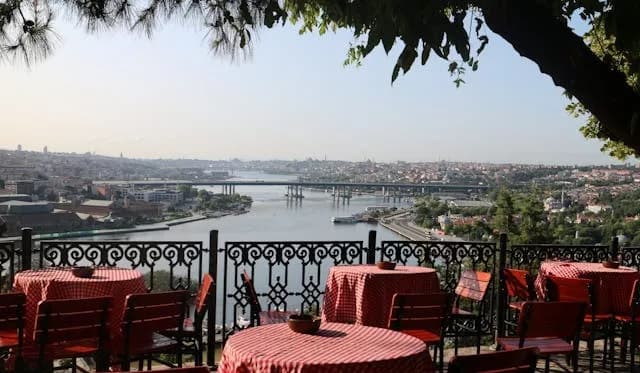 ParkFree
Pierre Loti Hill
Eyüpsultan
A legendary hilltop café with sweeping Golden Horn views and a romantic past.
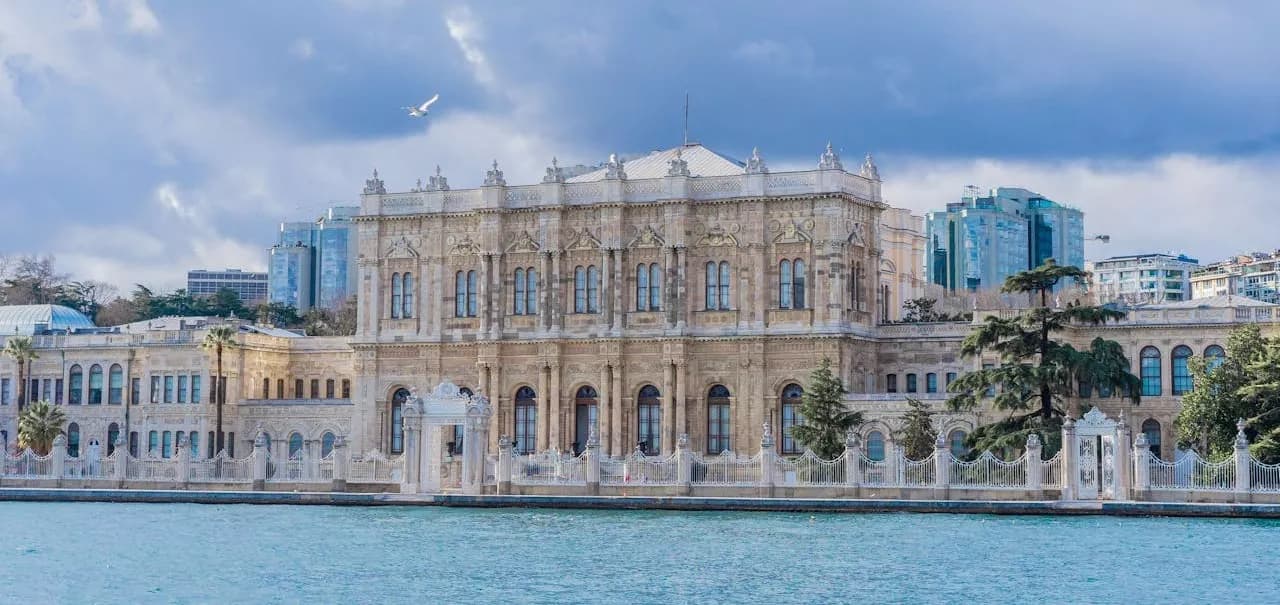 Museum€48
Dolmabahçe Palace
Beşiktaş
The Ottoman Empire's most opulent palace, shimmering along the Bosphorus shore.
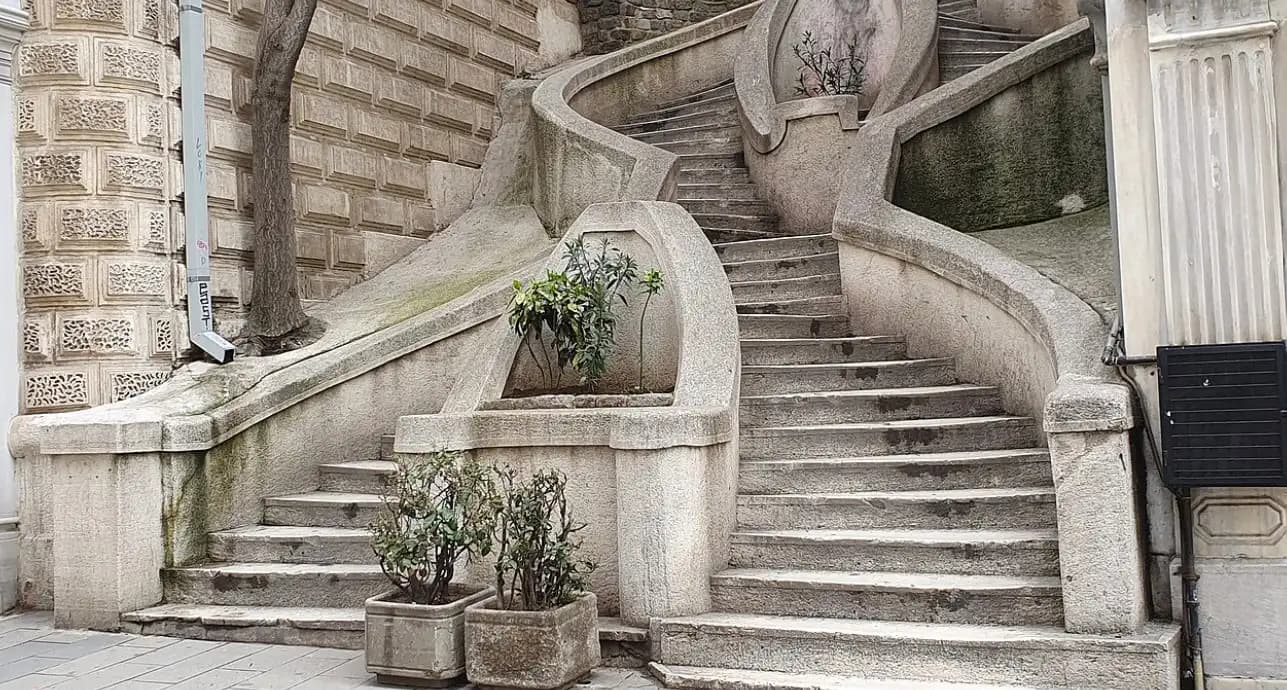 Free
FreeKamondo Stairs
Beyoğlu
Karaköy's most charming landmark, a elegant curved staircase with a storied past.
All Day: Water-Adjacent Escapes
A Bosphorus ferry ride, a walk along Galataport in Karaköy, or an afternoon in Ortaköy or Balat along the Golden Horn stay noticeably cooler than the inland historic core throughout a summer day, thanks to the sea breeze.
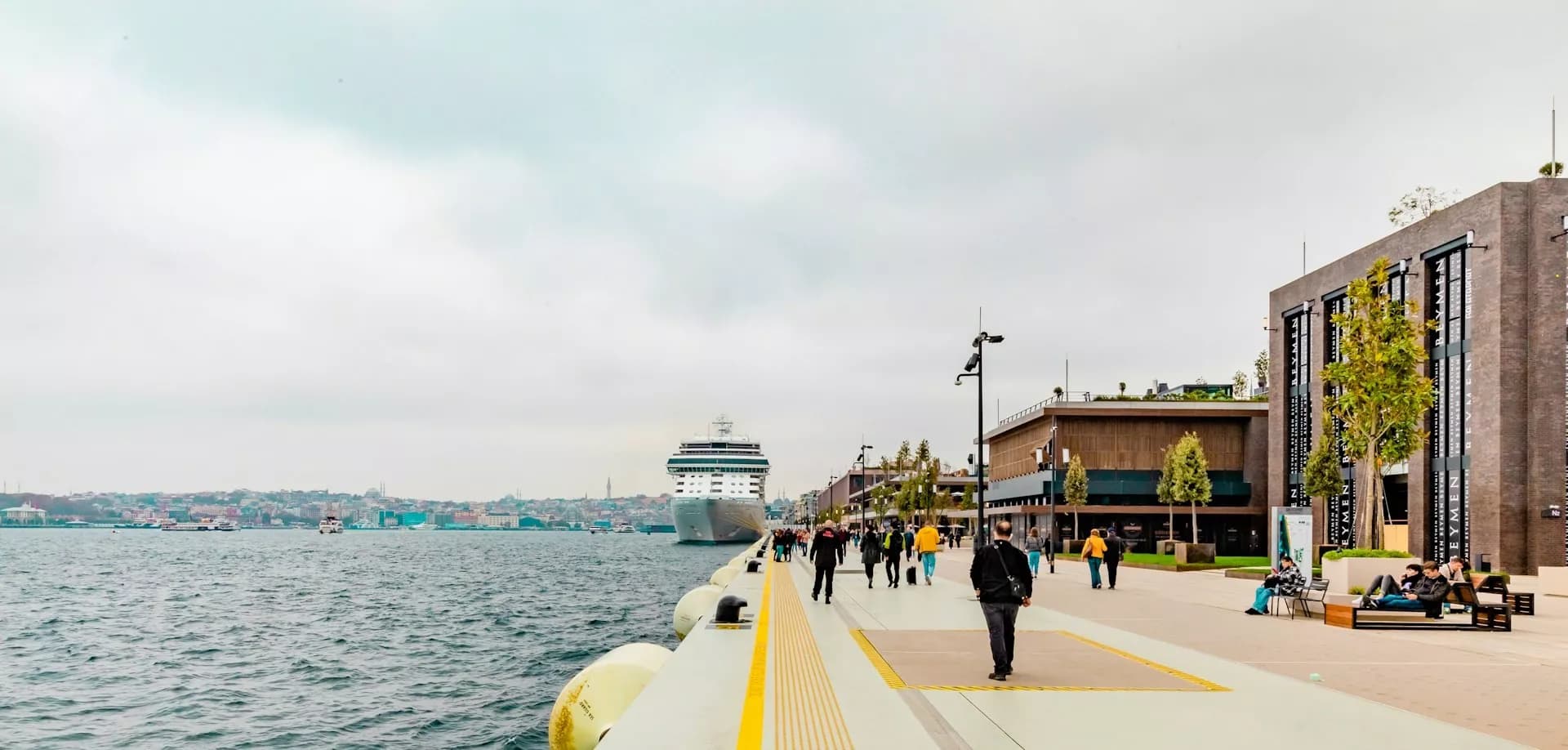 ShoppingFree
Galataport
Beyoğlu
Istanbul's stunning waterfront revival, where culture meets the Bosphorus shore.
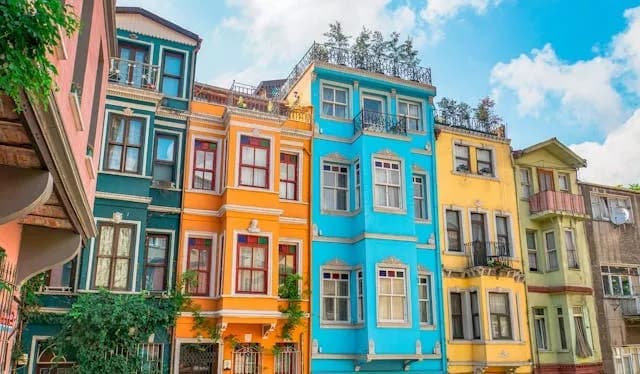 Historic SiteFree
Balat
Fatih
Istanbul's most colourful historic neighbourhood, a mosaic of cultures and charm.
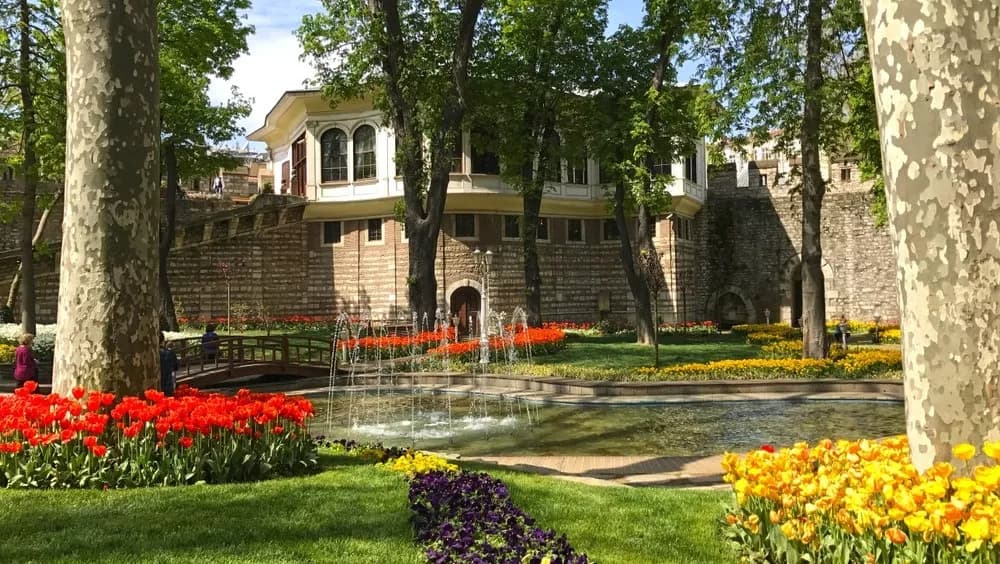 ParkFree
Gülhane Park
Fatih
Istanbul's oldest public park, a tranquil green escape in the heart of Sultanahmet.
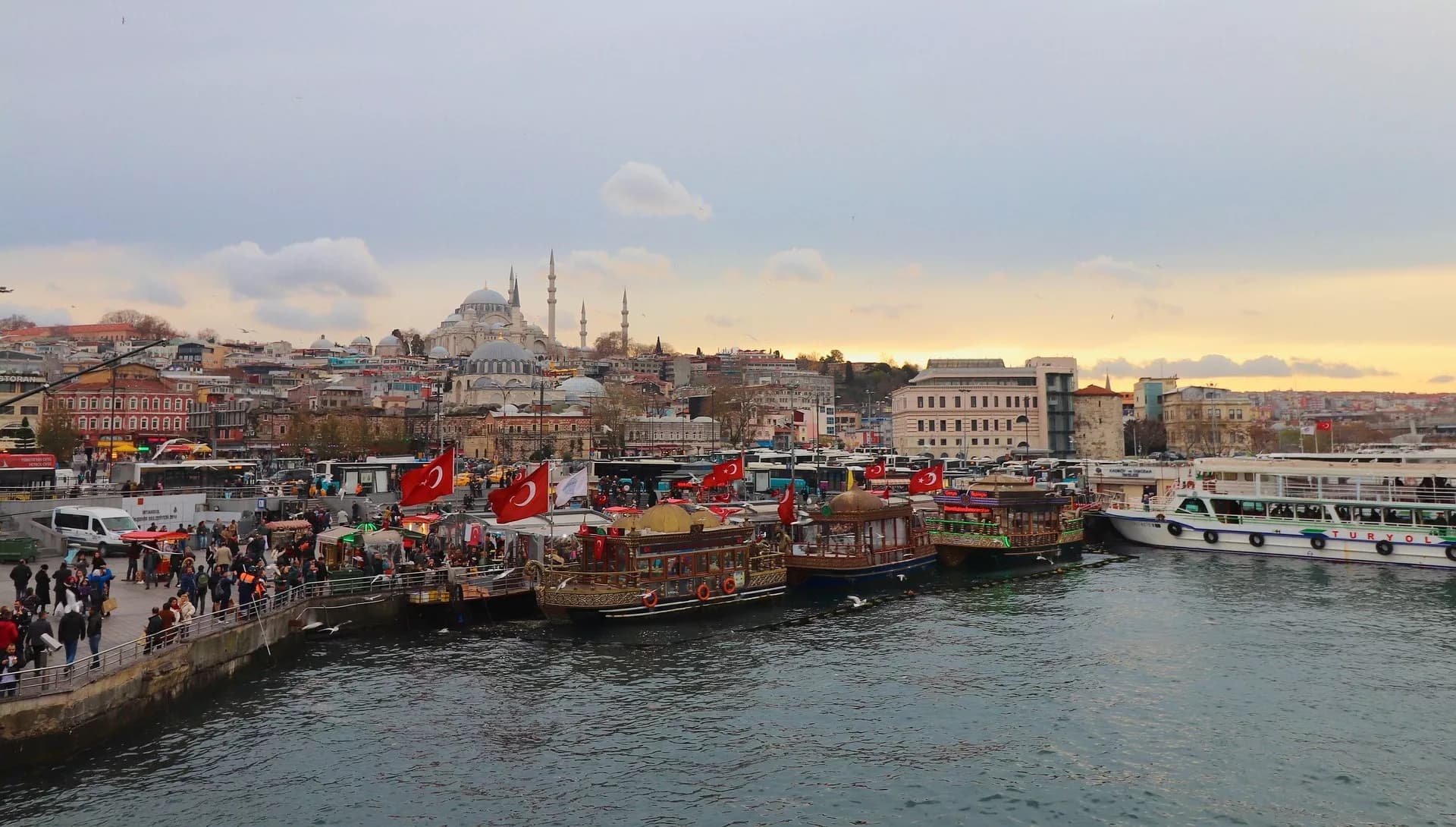 ShoppingFree
Eminönü Square
Fatih
Istanbul's vibrant waterfront heart, where the city's energy flows at its finest.
Practical notes
- Peak heat months: July and August are the hottest and most humid, with daytime highs of 25–29°C and occasional heatwaves pushing past 36°C. June and September are milder and considerably more comfortable for full-day outdoor sightseeing.
- Driest months: July and August see almost no rainfall — about three rainy days per month on average — so outdoor plans rarely get disrupted by weather, but sun protection becomes essential.
- Sea temperature: The Bosphorus and Sea of Marmara warm up enough for swimming by July and August, when sea temperatures reach 22–24°C — relevant if you're combining an İstanbul stay with a Bosphorus-side beach day.
- Mosque dress code in heat: Lightweight long-sleeve layers and long trousers or skirts meet the modesty requirement (covered shoulders and knees) without overheating in a sun-exposed queue. Scarves are usually provided at the door for women.
- Hydration points: Public fountains are scattered through Sultanahmet and the bazaar quarter — refill rather than relying solely on bottled water in peak heat.
- Shade-free zones to plan around: Sultanahmet Square, the Hippodrome, and Topkapı's outer courtyards have minimal tree cover. Budget extra water and sun protection specifically for these stops.
Frequently asked questions
Is summer a good time to visit İstanbul?
Yes, with adjustments. Summer (June–August) is peak season with reliably dry, sunny weather, but July and August bring high heat and humidity that make midday outdoor sightseeing uncomfortable. Shifting major landmark visits to morning or evening and using indoor stops to cover the hottest hours solves most of the discomfort.
What is the hottest month in İstanbul?
July and August are both consistently the hottest, with average daytime temperatures around 25–29°C and humidity that makes them feel more intense than the numbers suggest. Heatwaves occasionally push temperatures above 36°C in these months.
Where can I cool down in İstanbul in summer?
The Basilica Cistern is naturally cool year-round due to its underground location. Indoor museums — the Istanbul Archaeology Museums, Pera Museum, İstanbul Modern — and the covered Grand Bazaar all offer relief from direct sun. The Bosphorus shore and Golden Horn waterfront also stay noticeably cooler than the inland historic core thanks to the sea breeze.
What should I avoid doing in İstanbul during peak summer heat?
Avoid long, shadeless uphill walks at midday — the climb to Pierre Loti Hill, for instance, is far more comfortable by cable car in summer. Avoid trying to cover all of Sultanahmet's open-air landmarks in one unbroken stretch; build in an indoor break by early afternoon.
Is it too hot to visit mosques in İstanbul in summer?
No, but plan around it. Mosque dress codes require covered shoulders and knees regardless of season, so lightweight long layers are more comfortable than tight or synthetic clothing while queuing in direct sun. Early morning or evening visits also mean shorter waits.
More Istanbul guides
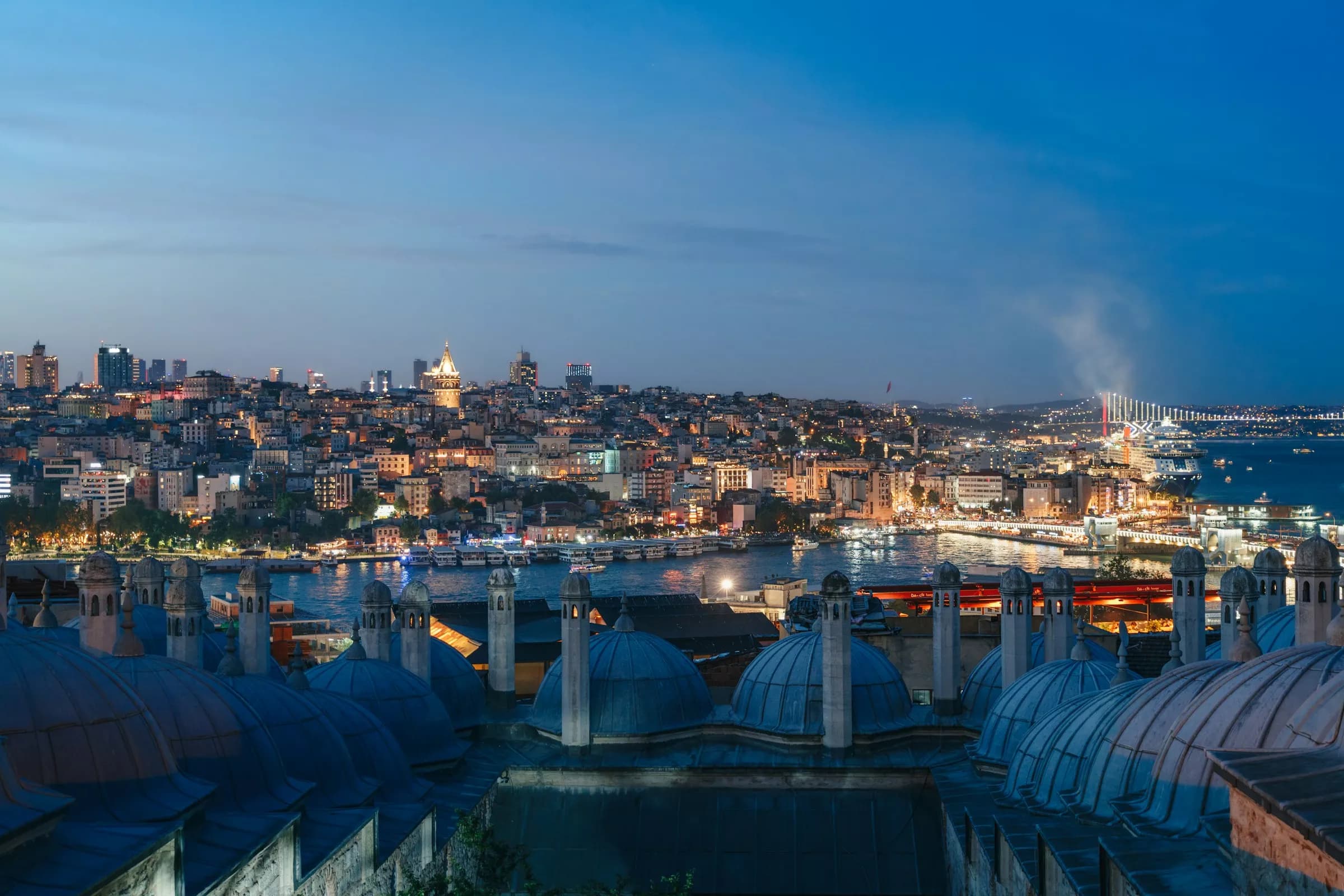
Which Neighbourhood Should You Stay in İstanbul?
Sultanahmet is the best base for first-time visitors and history-focused trips — it puts Hagia Sophia, the Blue Mosque, and Topkapı Palace within walking distance. Beyoğlu suits repeat visitors and anyone prioritizing nightlife, dining, and a more contemporary İstanbul over the historic core.
Updated Jun 18, 2026
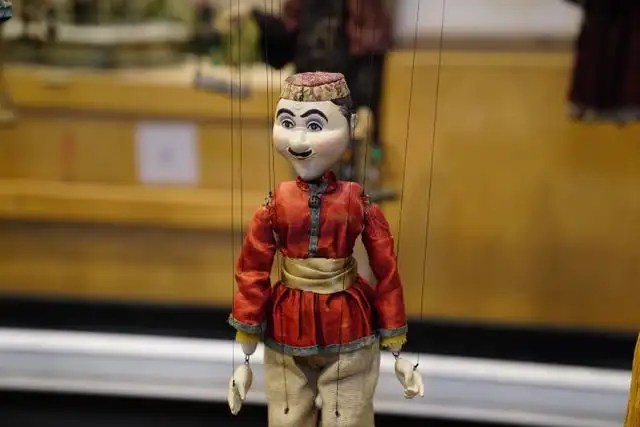
Where Should You Take Kids in İstanbul?
The Rahmi M. Koç Museum and neighboring Miniaturk on the Golden Horn are İstanbul's strongest family pairing — a walk-through submarine and vintage vehicles alongside a 1:25-scale model park, both built for kids rather than tolerating them. Beyond that, the Galata Tower's panoramic deck, a Bosphorus boat ride, and the Basilica Cistern's underground atmosphere all double as genuine sightseeing that doesn't require lowering expectations for a younger audience.
Updated Jun 18, 2026
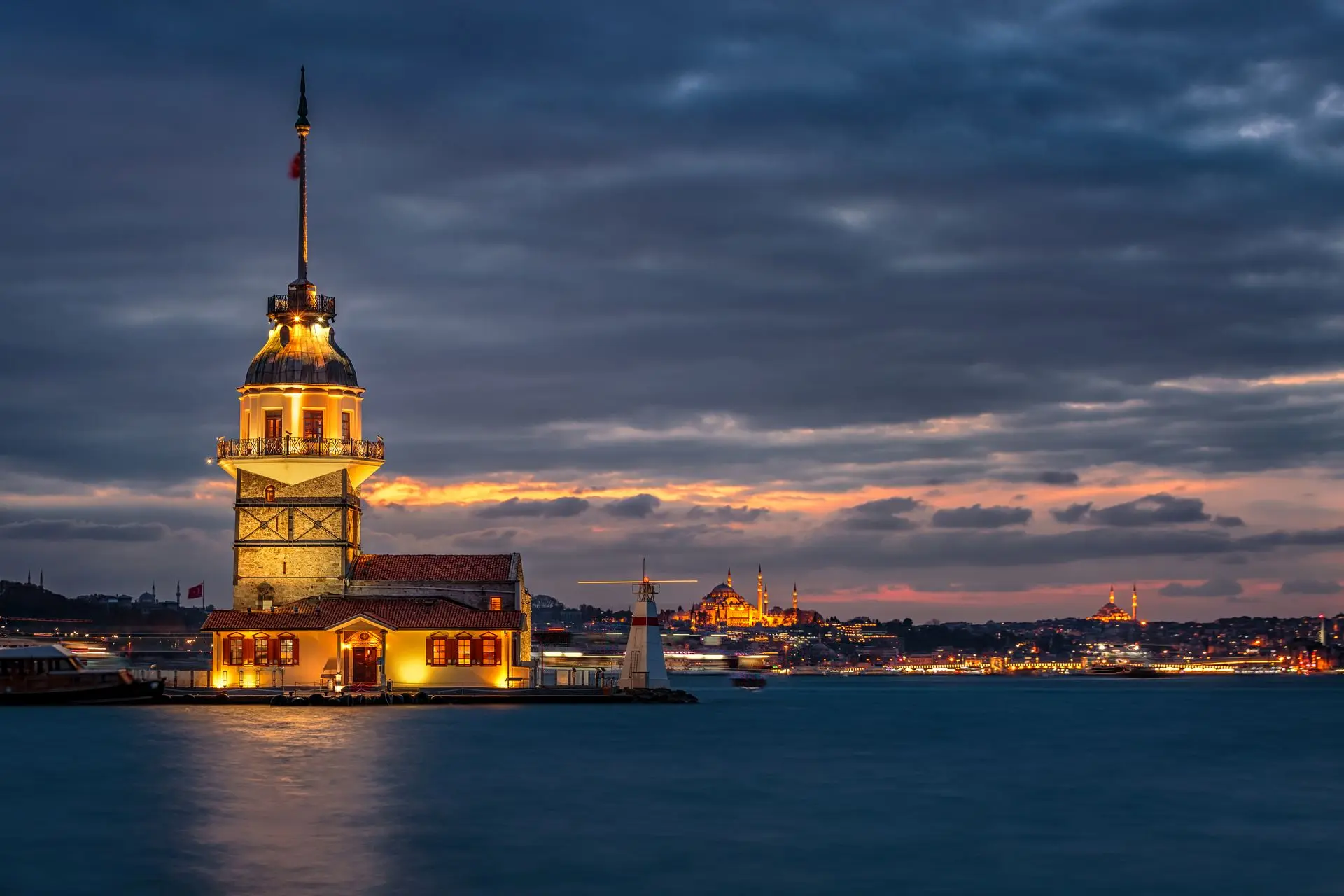
What Are the Most Romantic Things to Do in İstanbul?
İstanbul's most romantic experiences center on the Bosphorus — sunset views from Ortaköy or Pierre Loti Hill, and a private boat dinner with the lit-up skyline as backdrop. Pair one quiet sunset viewpoint with one dedicated evening activity, like a boat dinner tour, rather than trying to pack romance into a packed sightseeing day.
Updated Jun 18, 2026
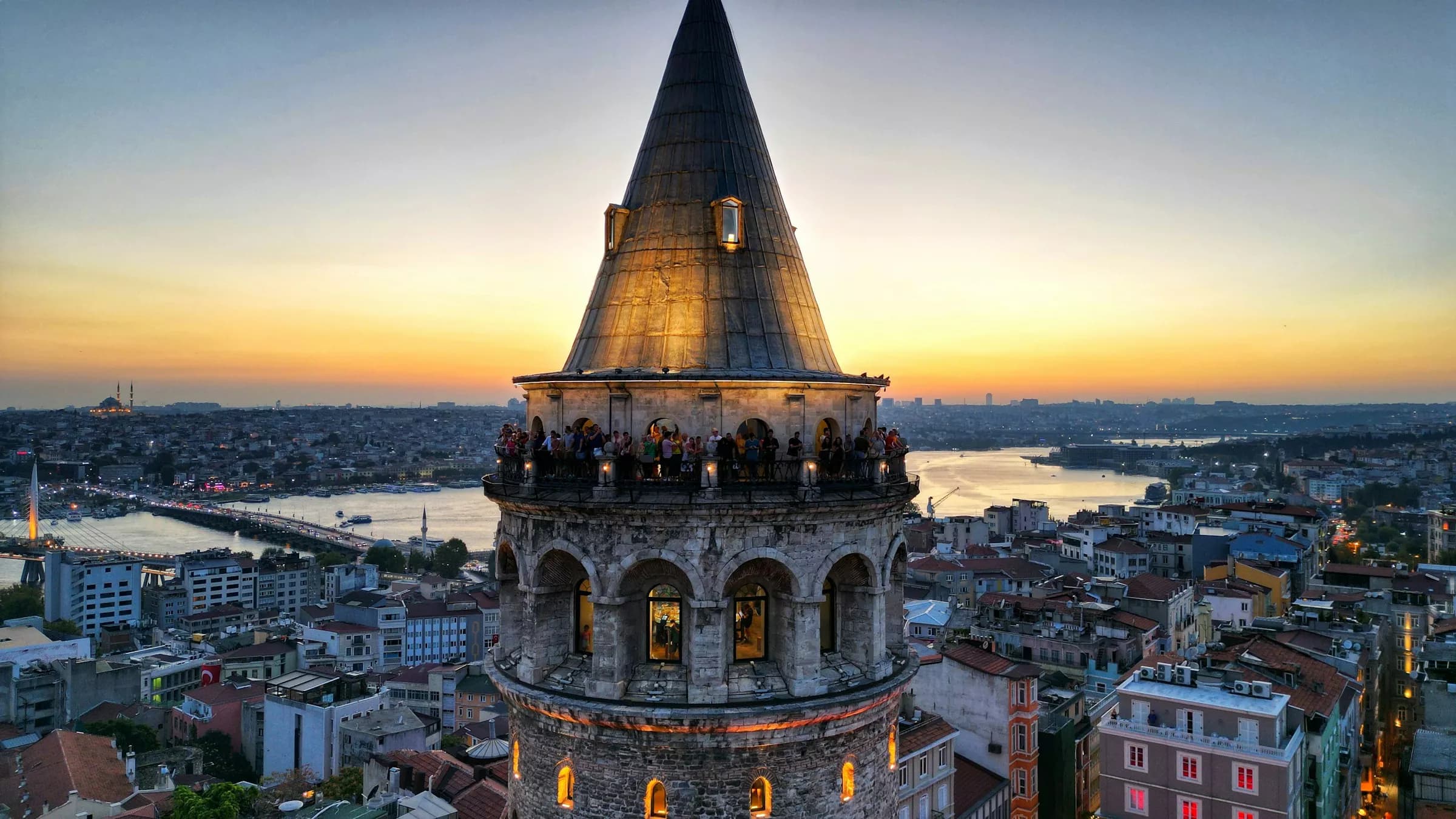
What Are the Best Instagram Spots in İstanbul?
İstanbul's most photogenic places cluster into a handful of walkable districts — Sultanahmet for imperial domes at sunrise, Balat for colourful hillside streets, Karaköy for the Galata Tower and Kamondo Stairs, and the Bosphorus shore for the Ortaköy mosque-and-bridge shot at blue hour. Pick a district per session and time the light; trying to cross the city chasing individual shots loses more afternoons than it saves.
Updated Jun 16, 2026
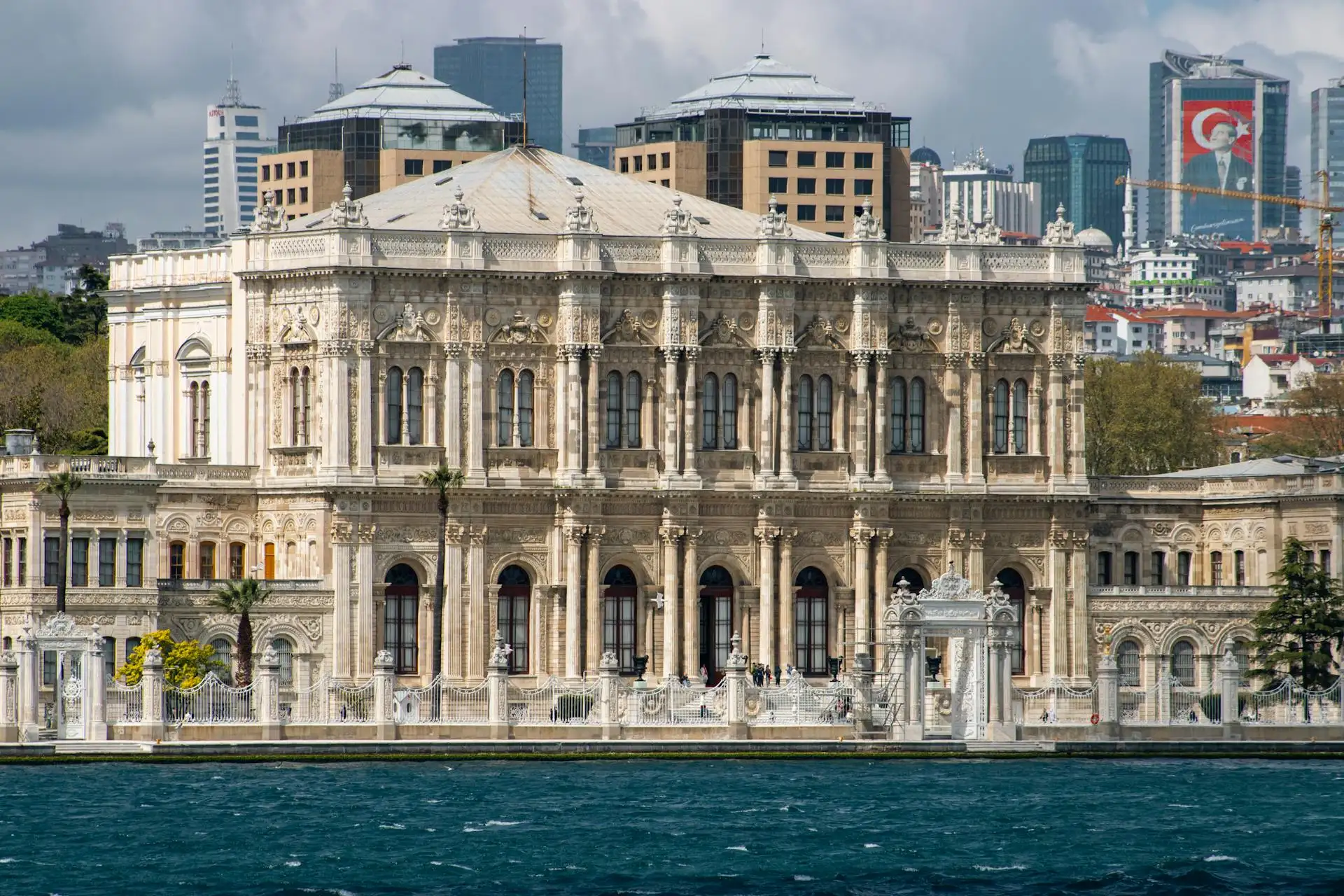
What Are the Best Museums in İstanbul?
Topkapı Palace is the single must-see — budget a full three hours and arrive at opening — but İstanbul's best museums sit scattered across four distinct clusters, and crossing the city to chase them one by one loses more days than it saves. Pick a cluster per session: Sultanahmet for the Ottoman and Byzantine heavyweights, Beyoğlu and Galata for art and history, the Bosphorus shore for imperial palaces, and the Golden Horn for industry and scale models.
Updated Jun 16, 2026
What Are the Best Places to Visit in İstanbul?
İstanbul's essential attractions split across five distinct neighborhoods — Sultanahmet, the Bazaar Quarter, Galata and Beyoğlu, the Bosphorus Shore, and the Golden Horn — each with a completely different character and a different kind of day. Start with the Tier 1 must-sees in Sultanahmet and the Bazaar Quarter, then build outward from there based on how much time you have.
Updated Jun 16, 2026
Planning a trip to Istanbul?
Explore attractions, hotels and tours, then build your day-by-day itinerary.
Plan your Istanbul trip