The 15 Best Museums in İstanbul: A First-Timer's Guide (2026)
İstanbul's best museums in four walkable clusters — Topkapı, the Archaeology Museums, Dolmabahçe, Pera and İstanbul Modern — with honest time budgets and suggestions.
İstanbul keeps two empires under one skyline, and most of what survives of them lives inside its museums. The problem isn't finding a good one — it's that the great collections sit scattered across the historic peninsula, Beyoğlu, the Bosphorus shore, and the Golden Horn, and a flat "top 20" list will happily send you crossing the city three times in a day.
In 2024 the city welcomed 18.6 million international visitors (Hürriyet Daily News, Istanbul welcomed more than 18 million visitors last year, 2025), and a large share of them spend at least one day museum-hopping.
Key Takeaways
- The single must-see is Topkapı Palace — budget a full three hours; everything else flexes around it.
- The museums cluster into four areas: Sultanahmet (Topkapı, Archaeology, Cistern), Beyoğlu and Galata (Pera, İstanbul Modern, Mevlevi House, Galata Tower), the Bosphorus shore (Dolmabahçe), and the Golden Horn (Rahmi Koç, Miniaturk).
- Topkapı closes Tuesdays and the National Palaces sites typically close Mondays — never plan a museum day without checking the official site first.
- The Museum Pass İstanbul covers state museums for five days but not Hagia Sophia, the Basilica Cistern, or Dolmabahçe — those are ticketed separately.
- Hagia Sophia and Chora are no longer museums; both reverted to mosques (Hagia Sophia in 2020, Chora in 2024), so they're free to enter and follow prayer times.
👉 Open the İstanbul map on Stadtly. You can build your own day-by-day itineraries on Stadtly, save them, and share them with others.
The Best Museums in İstanbul at a Glance
İstanbul's best museums fall into four walkable clusters: the Byzantine-and-Ottoman heavyweights of Sultanahmet (Topkapı Palace, the Istanbul Archaeology Museums, the Basilica Cistern), the art museums of Beyoğlu and Galata (Pera, İstanbul Modern, the Galata Mevlevi House, the Galata Tower), the imperial palace on the Bosphorus shore (Dolmabahçe), and the industrial collections of the Golden Horn (Rahmi Koç, Miniaturk).
The clustering is the whole point. Topkapı and the Rahmi Koç Museum are both superb, but they're a tram-plus-ferry apart — see them on the same afternoon and you'll spend more time in transit than in galleries. Pick a cluster, clear it on foot, then move on. If you only have time for one museum, make it Topkapı. If you have time for four, add the Archaeology Museums, Dolmabahçe, and either İstanbul Modern or Pera depending on whether you lean contemporary or classical.
1. Topkapı Palace — The Ottoman Empire's Seat of Power
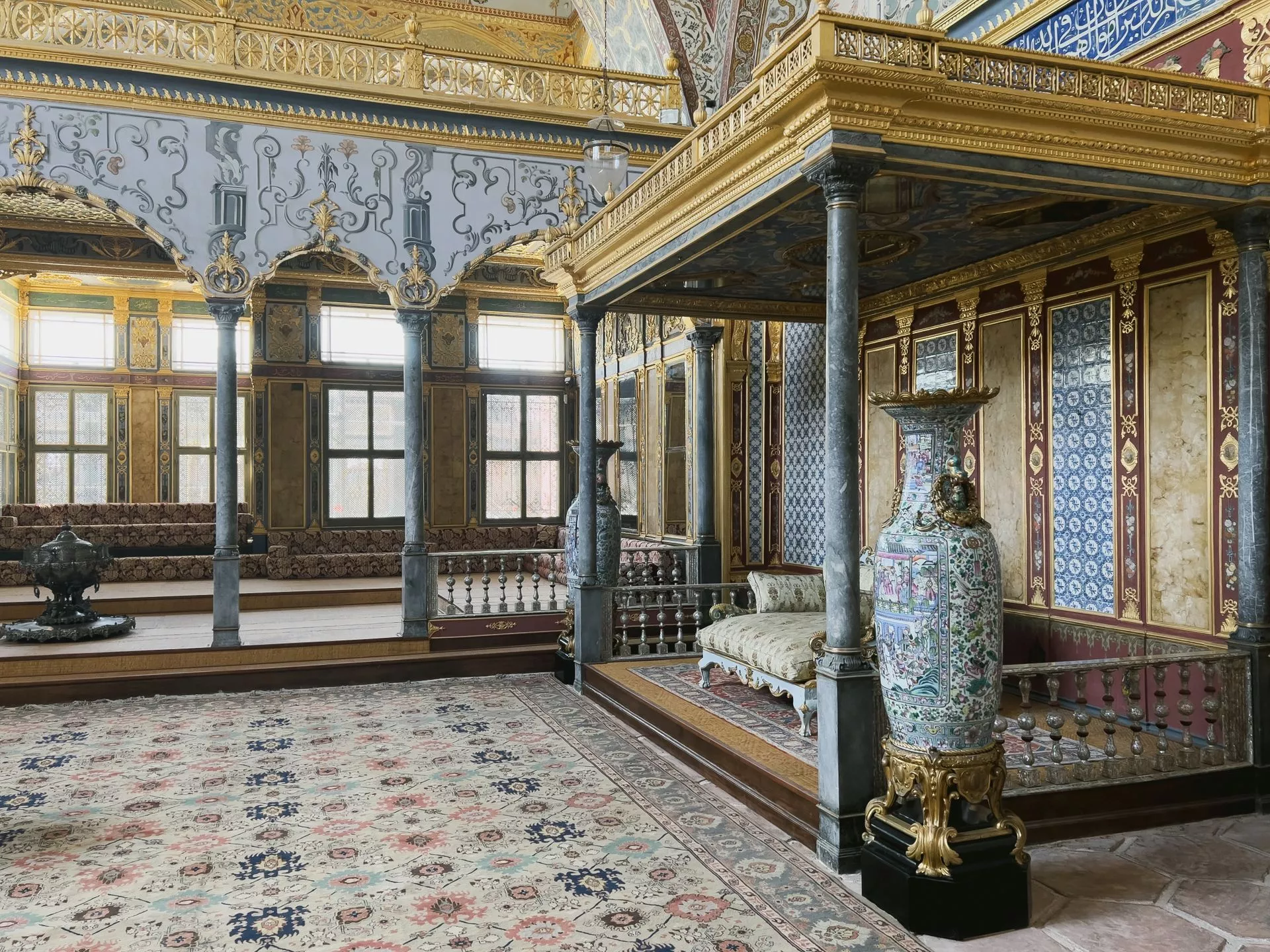
Topkapı Palace was the primary residence of the Ottoman sultans for nearly four centuries, from the 1460s until the court moved to Dolmabahçe in 1853. It is one of İstanbul's most-visited museums: four sprawling courtyards of treasury, imperial relics, and the Harem, set on the point where the Bosphorus meets the Golden Horn. If you see one museum in the city, see this one.
The highlights cluster in the inner courtyards. The Imperial Treasury holds the emerald-studded Topkapı Dagger and the 86-carat Spoonmaker's Diamond. The Sacred Relics rooms hold objects of deep religious significance to the Ottoman state. The Harem — once a separate ticket, now folded into the combined Topkapı entry along with Hagia Irene (İstanbul Directorate of Culture and Tourism, Topkapı Palace Museum, 2026) — is the part most visitors regret skipping. Budget three hours and arrive at opening; the palace is closed on Tuesdays.
It sits two minutes from Hagia Sophia and backs onto Gülhane Park, which makes it the natural anchor of any Sultanahmet morning.
2. Istanbul Archaeology Museums — Three Museums, One Ticket
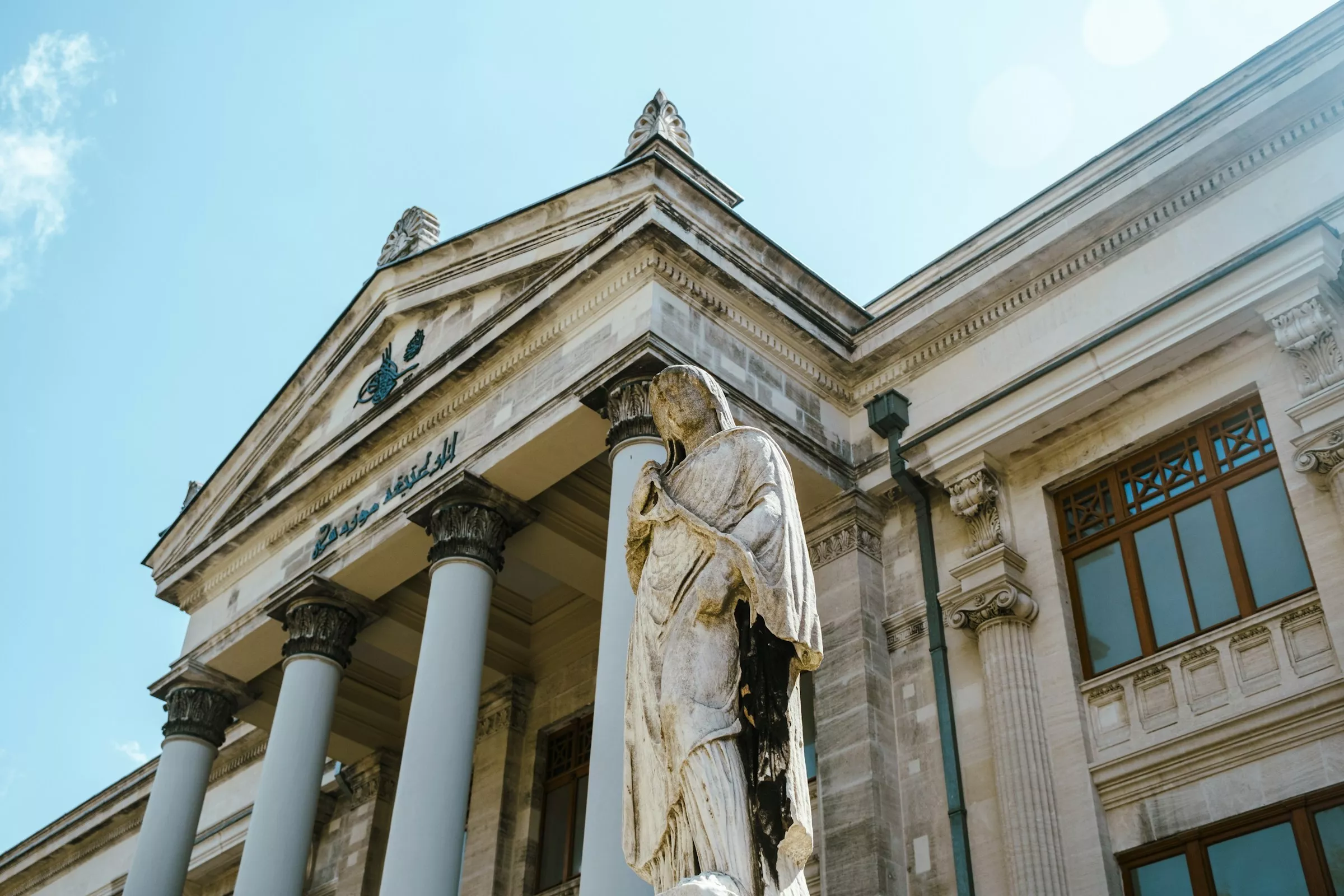
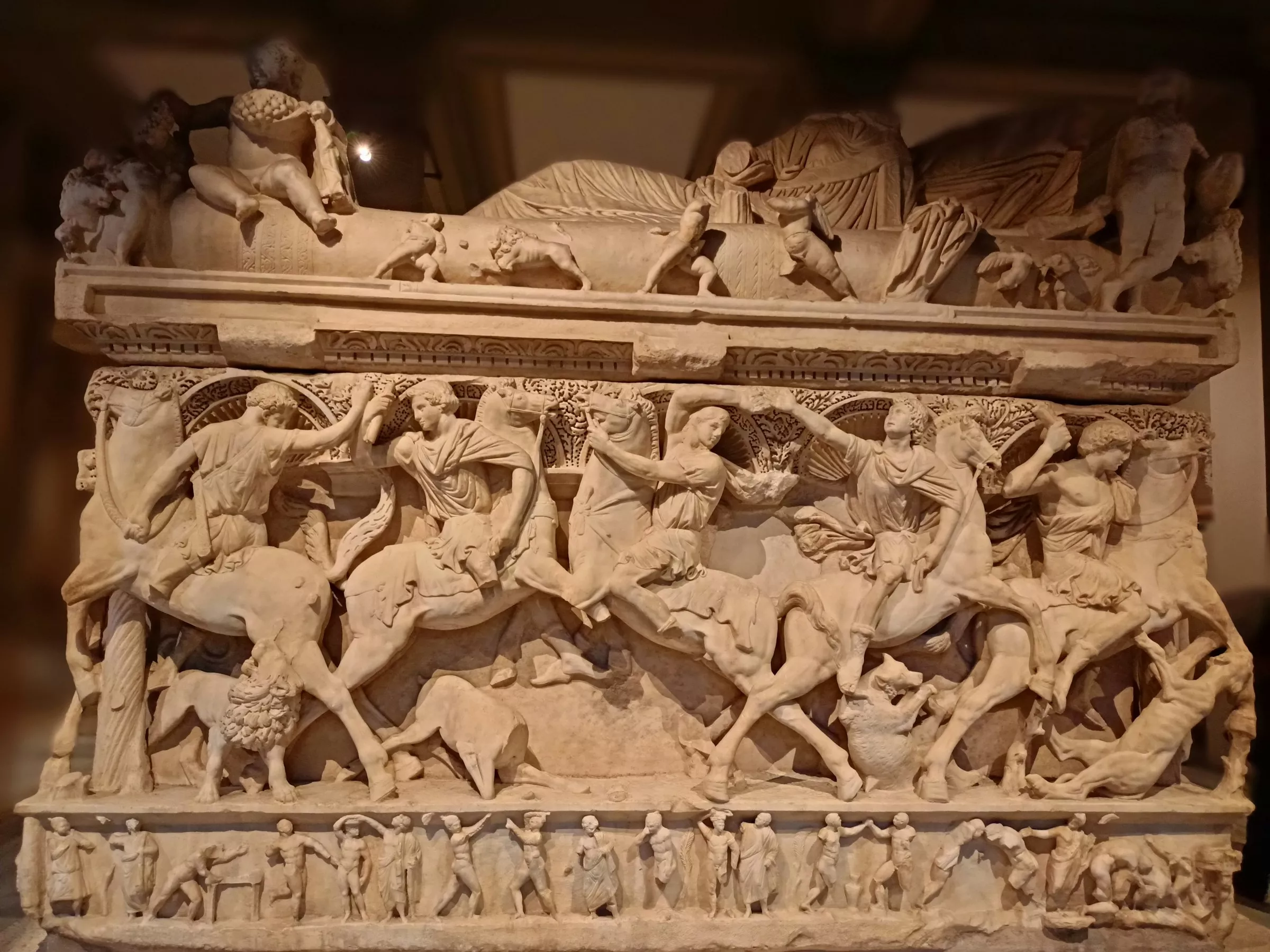
The Istanbul Archaeology Museums are a three-in-one complex tucked just inside the Topkapı grounds, reached from Gülhane Park: the main Archaeological Museum, the Museum of the Ancient Orient, and the Tiled Kiosk. One ticket covers all three, and the headline piece — the fourth-century-BCE Alexander Sarcophagus, carved in Sidon — is among the finest ancient sarcophagi to survive anywhere.
It is chronically under-visited for what it holds, precisely because it sits in Topkapı's shadow. In the Museum of the Ancient Orient you'll find a cuneiform tablet of the Treaty of Kadesh, often called the oldest known peace treaty in the world. The Tiled Kiosk, the oldest surviving secular Ottoman building in the city, is lined with İznik and Kütahya ceramics. Allow 90 minutes to two hours, and go straight after Topkapı while you're already in the courtyard.
3. Basilica Cistern — Byzantine Engineering Underground
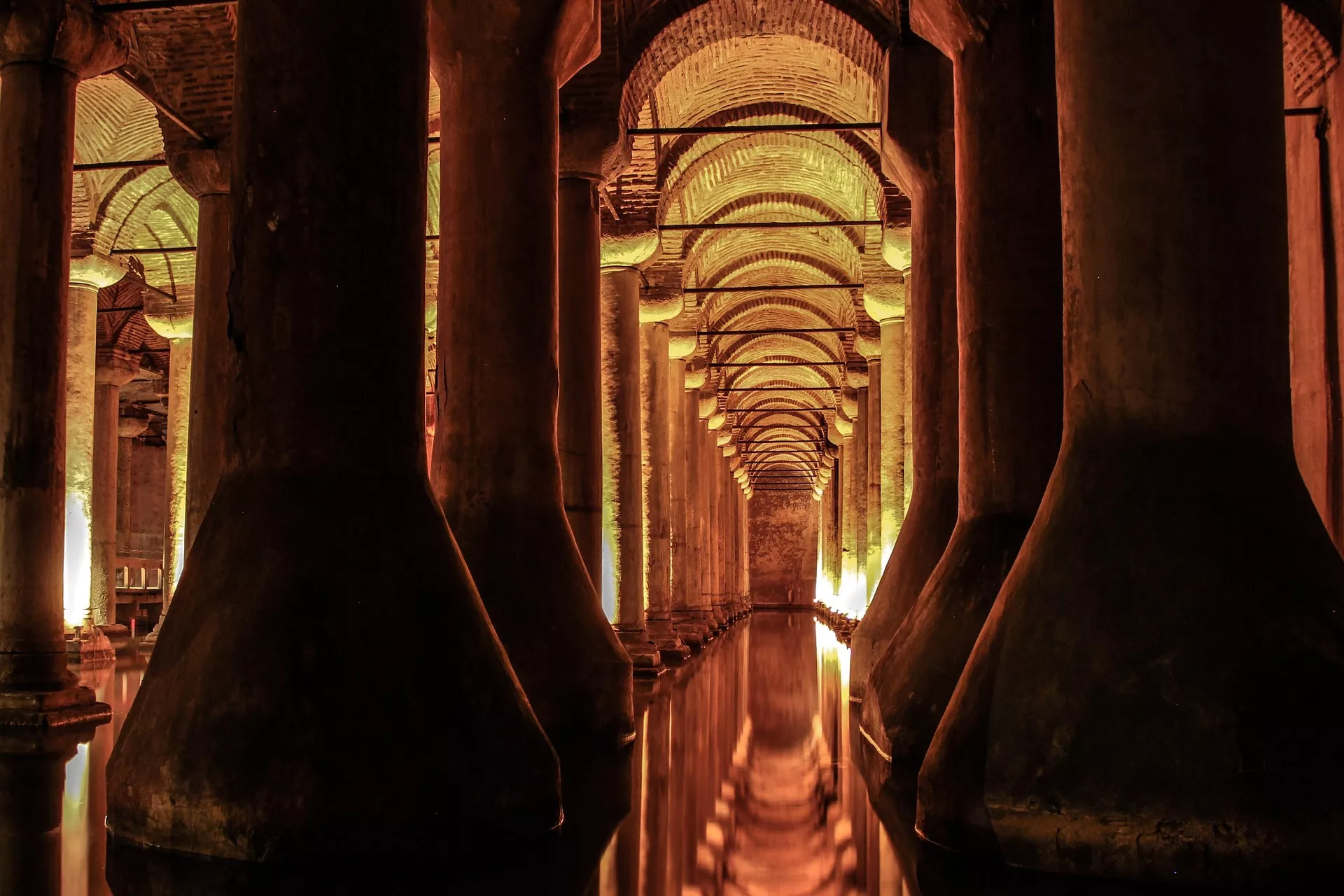
The Basilica Cistern is a sixth-century underground reservoir built under Emperor Justinian I in 532 CE to supply the Great Palace of Constantinople. Its 336 marble columns (Wikipedia, Basilica Cistern, 2026) rise from shallow water under low, theatrical lighting — including two famous Medusa-head bases, reused late-Roman blocks set sideways and upside down in the northwest corner.
This is the shortest great visit in the city. Forty minutes is plenty, which makes it the easiest add-on to a Sultanahmet day — it sits directly across the street from Hagia Sophia. The cistern reopened in 2022 after a major restoration that added contemporary art installations and improved walkways (The National, Basilica Cistern reopens after restoration, 2022). One practical note: it's run by the city municipality, not the national ministry, so it is not covered by the Museum Pass İstanbul.
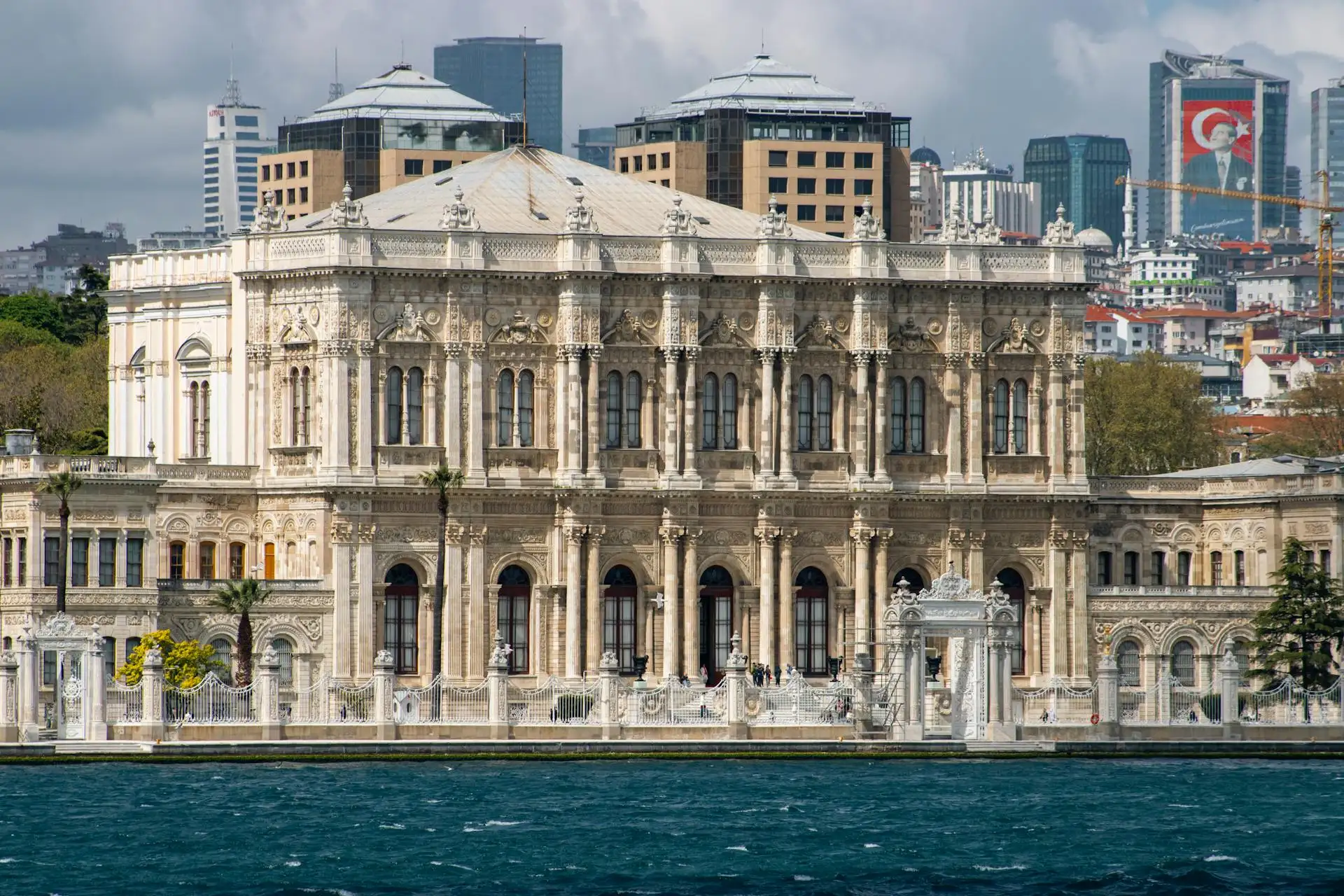
4. Dolmabahçe Palace — Where the Empire Went Baroque
Dolmabahçe Palace replaced Topkapı as the imperial residence when it was completed in 1856, trading Ottoman courtyards for European Baroque excess. It has 285 rooms, a 4.5-tonne crystal chandelier with 750 lamps in the Ceremonial Hall — often cited as the world's largest — and some 14 tonnes of gold leaf across its ceilings (Wikipedia, Dolmabahçe Palace, 2026). It is also where Mustafa Kemal Atatürk died, on 10 November 1938 at 09:05, the hour to which the palace clocks are still set.
You visit in guided groups through two sections, the Selamlık (state rooms) and the Harem. The crystal staircase and the Ceremonial Hall are the set pieces; the modest room where Atatürk died is the emotional one. Budget two hours. Dolmabahçe is managed by the Directorate of National Palaces, sits right on the water at Beşiktaş, and is typically closed Mondays — confirm before you go, and note it isn't on the Museum Pass. It's a tram ride from Sultanahmet, not a walk.
5. Pera Museum — A Polished Private Collection in Beyoğlu
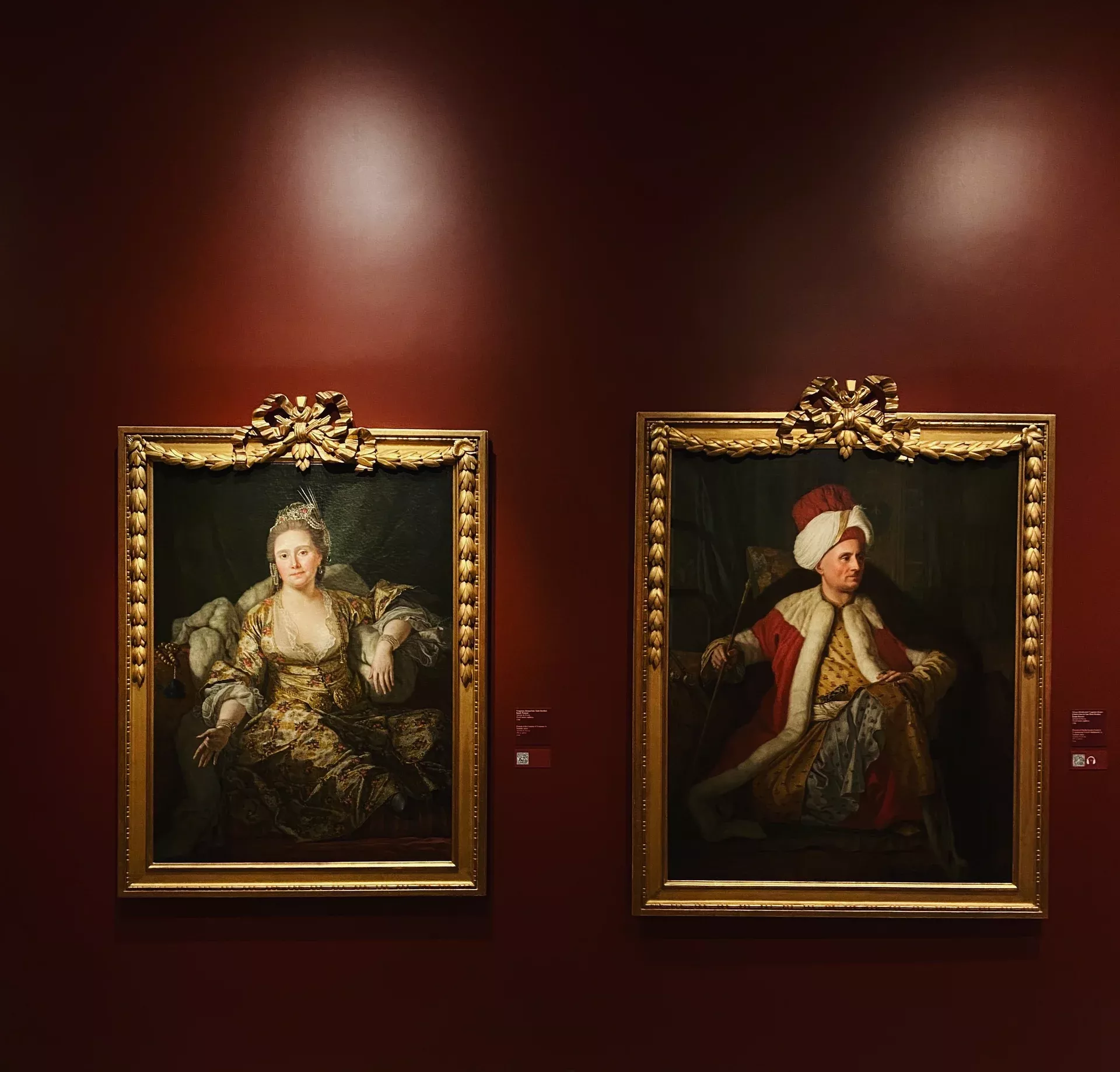
The Pera Museum, run by the Suna and İnan Kıraç Foundation in a restored 19th-century building off İstiklal Avenue, is Beyoğlu's most rewarding small museum. Its signature work is Osman Hamdi Bey's The Tortoise Trainer (1906), one of the best-known paintings in Turkish art (Pera Museum, Osman Hamdi Bey, 2026), anchoring a strong Orientalist-painting collection.
Two more permanent collections round it out: more than 800 pieces of Kütahya tiles and ceramics, and a deep holding of Anatolian weights and measures. But the rotating exhibitions are often the real reason to go — Pera regularly hosts well-curated international shows, so check what's on before you build it into your day. An hour covers the permanent galleries; longer if a temporary exhibition catches you. It pairs naturally with the Galata Mevlevi House and the Galata Tower in a single Beyoğlu afternoon.
6. İstanbul Modern — Turkey's Flagship Contemporary Art Museum
İstanbul Modern is Turkey's first museum of modern and contemporary art, founded in 2004. In May 2023 it reopened in a striking new Renzo Piano–designed building on the Galataport waterfront in Karaköy (İstanbul Modern, İstanbul Modern opens in new landmark building designed by Renzo Piano, 2023), with Bosphorus-facing galleries and a rooftop terrace topped by a shallow reflecting pool that mirrors the water.
The permanent collection traces Turkish art from the late-Ottoman period to the present; the rotating contemporary shows and the photography gallery are consistently strong. Even if modern art isn't your thing, the building and the rooftop view earn the visit. Budget 90 minutes, and fold it into a Karaköy waterfront walk — it's part of the regenerated Galataport stretch, an easy stroll from the Galata cluster and the Eminönü ferry piers.
7. Galata Mevlevi House — The Whirling Dervishes' Lodge
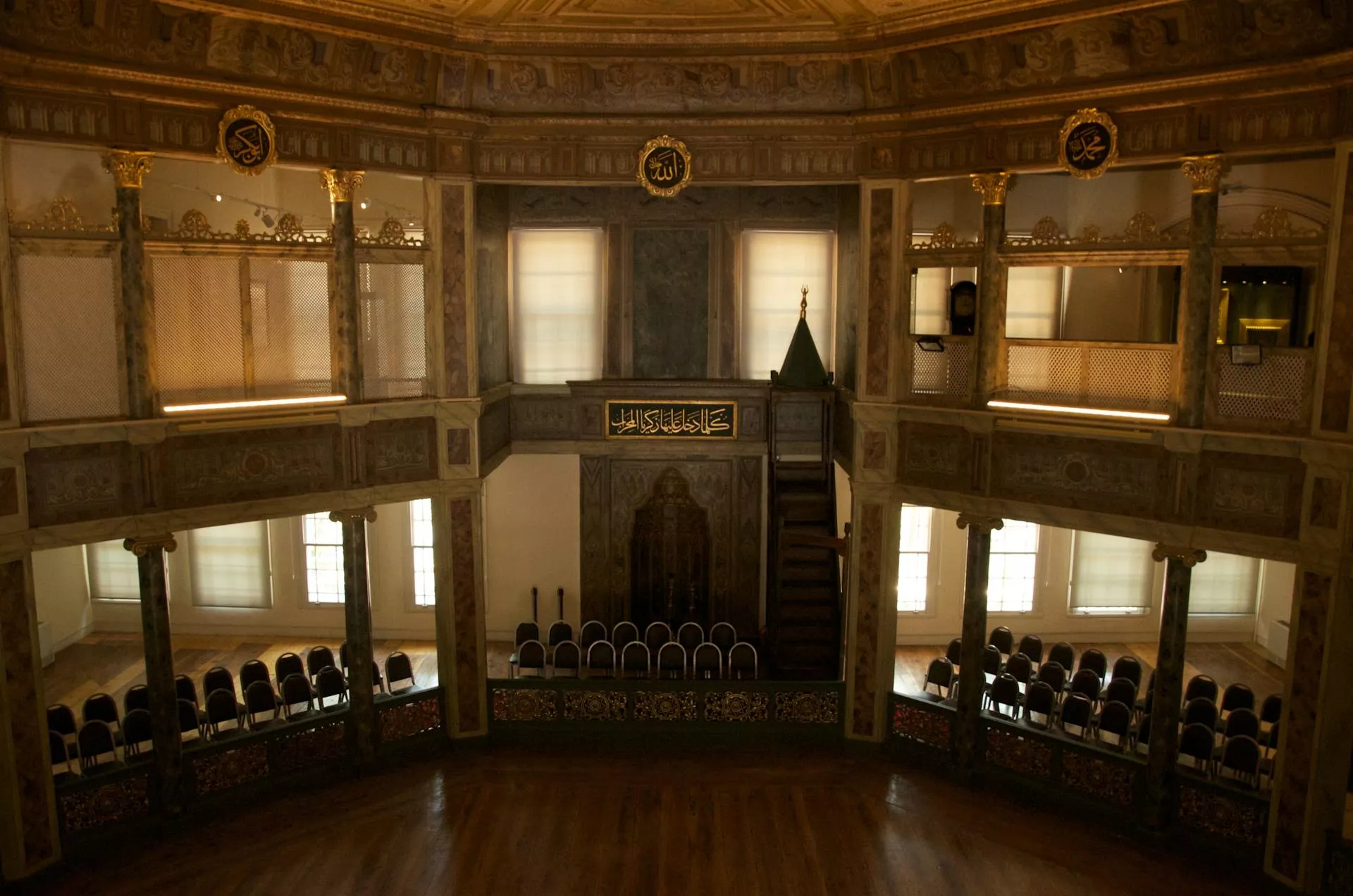
The Galata Mevlevi House (Galata Mevlevihanesi) is a Sufi lodge turned museum at the bottom of İstiklal Avenue, beside the Tünel funicular. Its semahane — the octagonal hall where the Mevlevi order performed the Sema, the whirling-dervish ceremony — dates to 1491. The museum tells the order's story through instruments, manuscripts, ceremonial dress, and the tombs of former sheikhs in a quiet courtyard cemetery.
Keep one distinction clear: the daytime museum visit and the live ceremony are different things. The Mevlevi Sema was proclaimed by UNESCO in 2005 and inscribed on the Representative List of the Intangible Cultural Heritage of Humanity in 2008 (UNESCO, Mevlevi Sema Ceremony, 2008) — it's a Sufi prayer, not a folk show, and actual ceremonies are scheduled separately. The museum takes about 45 minutes and sits within easy walking distance of Pera and the Galata Tower.
The pairing most museum lists miss: the Galata Mevlevi House makes the most sense as the daytime, context-setting half of a Sema visit. See the lodge and its instruments in the afternoon, then catch an actual ceremony in the evening — our 48-hour first-timer itinerary already blocks a Sema ceremony into Day 1, so the museum slots in ahead of it.
8. Galata Tower — A Museum With the City's Best View
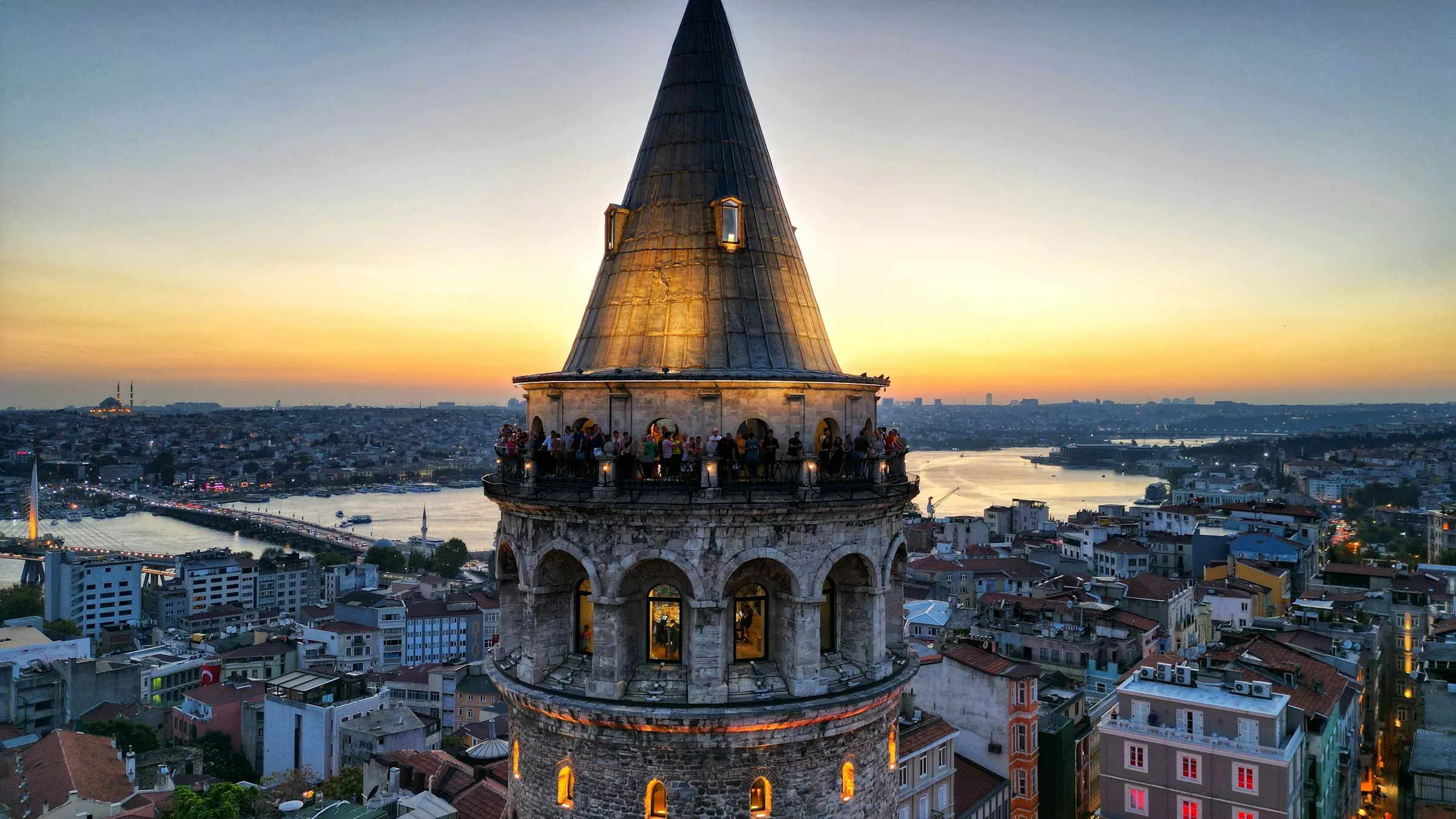
The Galata Tower has been a museum since 2020, when it passed to the Ministry of Culture and Tourism and reopened with exhibition floors on its long history (Daily Sabah, Galata Tower to be converted into museum, 2020). The Genoese built it in 1348 as the "Tower of Christ," and for centuries it was the tallest structure in the city. Most visitors, though, come for the 360-degree observation deck near the top.
That view is the honest draw — arguably the finest single panorama of the historic peninsula, the Golden Horn, and the Bosphorus you can buy a ticket for. The museum floors are a pleasant bonus rather than the main event. The catch is the queue: timed-entry tickets help, but go early or late to avoid the worst of it. Forty-five minutes covers the climb, the displays, and the view. It's the anchor of the Beyoğlu and Galata cluster.
9. Rahmi M. Koç Museum — Industry, Transport and a Submarine
The Rahmi M. Koç Museum is İstanbul's museum of industry, transport, and communications — and far and away its most family-friendly. It fills a restored Ottoman anchor foundry (the Lengerhane) and the old Hasköy Dockyard on the Golden Horn, packing in vintage cars, steam engines, aircraft, model railways, and a restored Bosphorus ferry. Its showstopper is a real submarine, the TCG Uluçalireis, that visitors can walk through bow to stern (Rahmi M. Koç Museum, Submarine Tour, 2026).
This is the one museum on the list where kids will outlast the adults. Between the indoor galleries and the open-air exhibits along the water, you can fill a full two hours easily. The trade-off is location: it sits out on the Golden Horn at Hasköy, a deliberate trip from the centre by ferry or taxi rather than a quick stop. Pair it with Miniaturk next door and make a Golden Horn half-day of it.
10. Miniaturk — İstanbul and Anatolia in Miniature
Miniaturk is one of the world's largest miniature parks: an open-air model museum on the Golden Horn at Sütlüce, displaying around 130 landmarks built at 1:25 scale. The models span İstanbul, the rest of Anatolia, and sites across the former Ottoman territories — so you'll see a pocket-sized Hagia Sophia, the Bosphorus bridges, and far-flung monuments you'd never reach in a single trip.
It's a novelty, and an honest list should say so — but it's a good one, especially with children or on a relaxed afternoon. The scale models are genuinely well made, and walking the grounds is an easy hour and a half. Its real value is logistical: it sits right beside the Rahmi M. Koç Museum, so the two together turn an out-of-the-way corner of the Golden Horn into one well-rounded half-day.
The Byzantine Landmarks That Are Now Mosques: Hagia Sophia and Chora
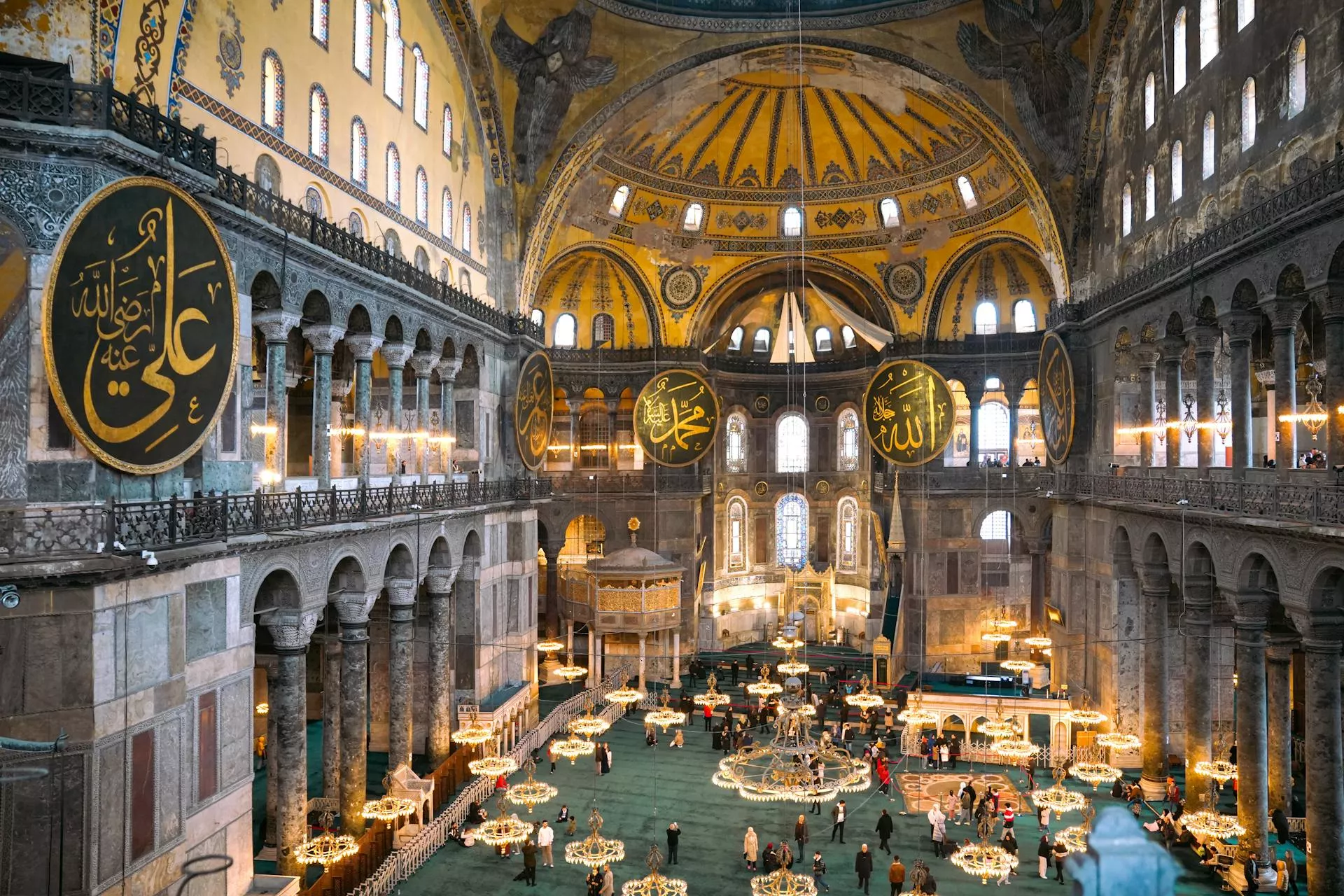
Two of İstanbul's most famous "museums" no longer are. Hagia Sophia was a museum from 1934 to 2020 before reverting to a working mosque, and the Chora (Kariye) followed in 2024, reopening as a mosque after a long restoration (The Art Newspaper, Turkey reopens Chora museum as a mosque amid muted objections, 2024). Both are still essential viewing — they just follow prayer times and dress codes now rather than museum hours.
The Chora holds the most complete cycle of late-Byzantine mosaics and frescoes in the city, early-14th-century work from the Palaiologos period that has earned it the nickname "the Sistine Chapel of İstanbul." It sits out at Edirnekapı, away from the Sultanahmet crowds, and some mosaics in the prayer area are screened during worship; a foreign-visitor fee applies and is best checked in advance. Hagia Sophia, meanwhile, remains the city's single greatest building. We cover entry, prayer-time gaps, the mosaics, and the best time to go in our full Hagia Sophia visitor guide.
More İstanbul Palace-Museums on the Bosphorus
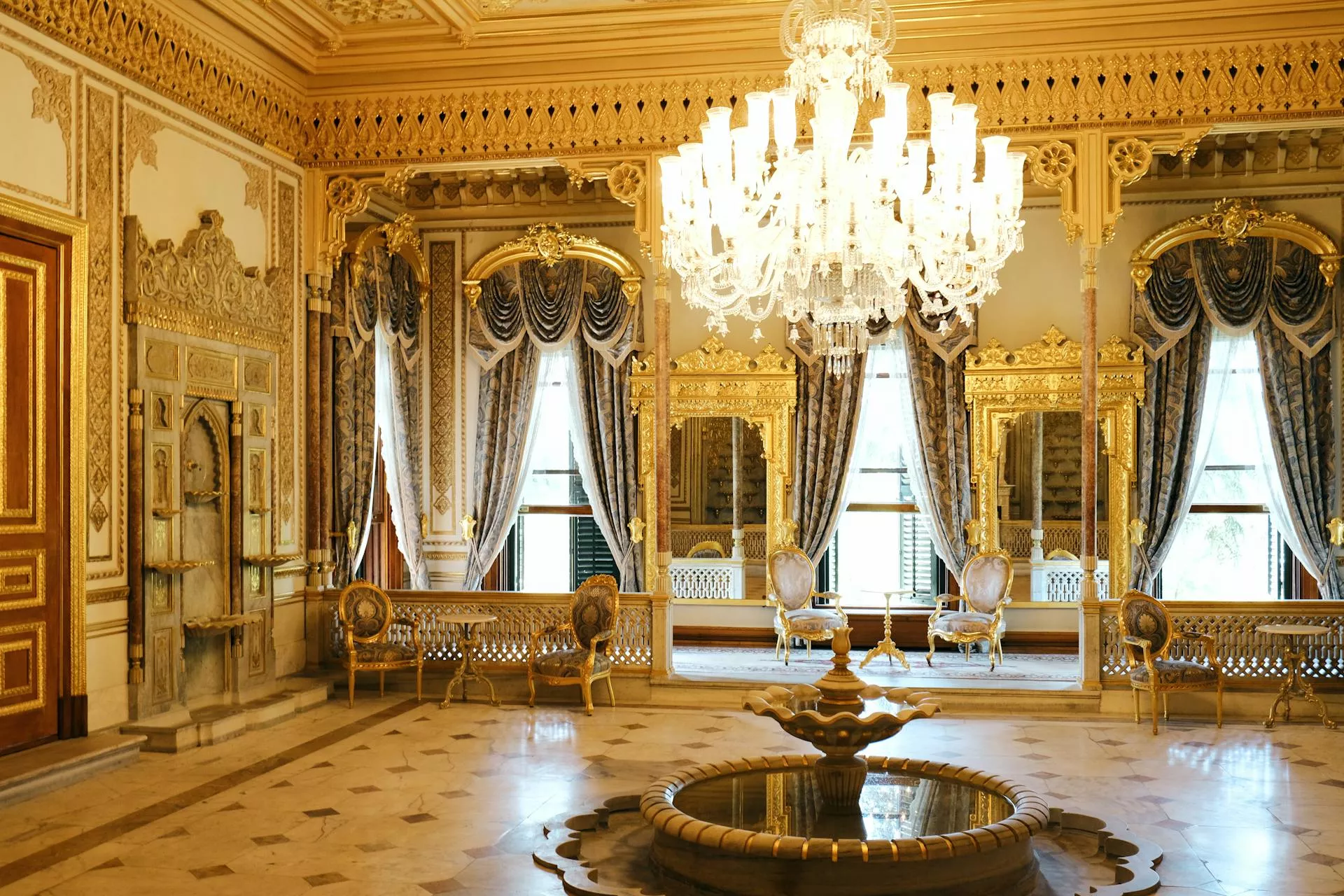
Beyond Dolmabahçe, the Bosphorus shore is lined with smaller imperial palace-museums that reward a second or third visit, all managed by the Directorate of National Palaces. Beylerbeyi Palace is the standout — a lavish summer palace on the Asian shore beneath the Bosphorus Bridge, built in the 1860s under Sultan Abdülaziz and open daily except Monday (Directorate of National Palaces, Beylerbeyi Palace, 2026). It's a guided visit, opulent but compact.
The others are for completists. The Küçüksu Pavilion is a jewel-box Rococo recreation lodge on the Asian shore, often glimpsed from a Bosphorus cruise. Aynalıkavak Pavilion, on the Golden Horn at Hasköy, is the surviving fragment of a vanished palace, known for its fine 18th-century interior and a collection tied to Ottoman classical music. Yıldız Palace, the hillside complex above Beşiktaş, was Sultan Abdülhamid II's principal residence and sits in the large Yıldız Park. Treat these as second-trip museums rather than first-visit musts — and check opening days on the National Palaces site, as they shift seasonally.
How to See İstanbul's Best Museums in One Trip
The trick is to cluster by district, not to chase a ranking across the city. Spend a Sultanahmet morning on Topkapı and the Archaeology Museums, with the Basilica Cistern as a 40-minute coda. Save a Beyoğlu and Galata afternoon for Pera, the Galata Mevlevi House, the Galata Tower, and İstanbul Modern down at Galataport. Give Dolmabahçe and the Bosphorus palaces their own half-day reached by tram and cruise, and bundle Rahmi Koç with Miniaturk into a family-friendly Golden Horn outing.
On the tickets: the Museum Pass İstanbul is valid for five days (120 hours) from first use and lets you skip the ticket queue at state museums like Topkapı, the Archaeology Museums, and the Galata Tower (İstanbul Directorate of Culture and Tourism, Museum Passes of Türkiye, 2026). It pays off if you'll hit three or more covered sites — but it does not include Hagia Sophia, the Basilica Cistern, Dolmabahçe, or Beylerbeyi, which are ticketed separately. Prices change often, so check the official site for the current rate rather than relying on a number you read on a blog.
If you're fitting museums around the rest of the city, our itineraries do the sequencing for you. The İstanbul 24-hour walking itinerary builds the Sultanahmet museum morning into a full Day 1 loop. The 48-hour first-timer itinerary keeps the peninsula museums on Day 1 and adds Dolmabahçe and the Bosphorus on Day 2. And if you're weaving the bazaars between galleries, our Grand Bazaar survival guide covers the same bazaar-quarter loop that the Archaeology Museums sit beside.
Every museum here is a pin on Stadtly — open the İstanbul museums map, follow the walking paths within each cluster, reorder it for your dates, and export it as a PDF before you fly.
👉 Open the İstanbul map on Stadtly. You can build your own day-by-day İstanbul itineraries, save them, and share them with others.
👉 If you enjoyed our museum list, be sure to check out our best Instagram spots list too.
Frequently Asked Questions
What is the best museum in İstanbul?
Topkapı Palace is the consensus best museum in İstanbul — the imperial seat of the Ottoman Empire for almost four centuries, with its Treasury, Sacred Relics, and Harem set above the Bosphorus. It's also one of the most-visited. If you see only one museum on a short trip, make it Topkapı, and budget a full three hours.
How many museums should I visit in İstanbul?
For a first visit, three to five museums is realistic without museum fatigue: Topkapı and the Archaeology Museums in Sultanahmet, plus one or two of Dolmabahçe, İstanbul Modern, or Pera. Cluster them by district so you're touring on foot within an area rather than crossing the city between each one.
Is the Museum Pass İstanbul worth it?
The Museum Pass İstanbul is valid for five days and lets you skip ticket queues at state museums, so it pays off if you'll visit three or more covered sites — Topkapı, the Archaeology Museums, and the Galata Tower among them. It does not cover Hagia Sophia, the Basilica Cistern, or Dolmabahçe. Check the official price before buying.
Which İstanbul museums are closed on Mondays or Tuesdays?
Topkapı Palace is closed on Tuesdays. The National Palaces sites, including Dolmabahçe and Beylerbeyi, are typically closed on Mondays, and several private museums also close one day a week. Closure days change, so always confirm on the official site before building your museum day around a specific place.
Is Hagia Sophia a museum?
No. Hagia Sophia was a museum from 1934 to 2020 but was reconverted to a working mosque, so entry is now free and timed around the five daily prayers rather than museum hours. The Byzantine mosaics remain visible most of the day. See our dedicated Hagia Sophia guide for current visiting details.
What is the best museum in İstanbul for families with kids?
The Rahmi M. Koç Museum on the Golden Horn is the most family-friendly, with vintage cars, aircraft, and a real submarine children can walk through bow to stern. Pair it with neighbouring Miniaturk, an open-air miniature park, for a full half-day that keeps younger visitors engaged from start to finish.
Where can I see Byzantine mosaics in İstanbul?
The Chora (Kariye) holds the city's most complete cycle of early-14th-century Byzantine mosaics and frescoes, though it now functions as a mosque rather than a museum. Hagia Sophia retains several major mosaics, and the Basilica Cistern preserves Byzantine engineering. Chora is the specialist's choice and worth the trip out to Edirnekapı.
Planning a trip to Istanbul?
Discover attractions, hotels and tours to build your perfect itinerary.
Explore Istanbul