Back to blog
Essential İstanbul Attractions: 30 Must-See Sights by Neighborhood
istanbul

Essential İstanbul Attractions: 30 Must-See Sights by Neighborhood

StadtlyIstanbul

İstanbul drew 18.6 million international visitors in 2024. Here are 30 essential attractions organized by neighborhood, with honest tier ratings for any trip length.

İstanbul pulled in 18.6 million international visitors in 2024, making it one of the most visited cities in the world (Turkish Ministry of Culture and Tourism, via Hurriyet Daily News, February 2025). That number tells you something: this city earns every bit of the attention. But it also means that without a plan, you'll spend your trip in slow-moving queues at four or five headline sites while missing everything else that makes İstanbul worth the flight.

This guide covers 30 essential attractions across five distinct neighborhoods — Sultanahmet, the Bazaar Quarter, Galata and Beyoğlu, the Bosphorus Shore, and the off-the-beaten-path Golden Horn district. Each attraction gets a clear tier rating. Tier 1 — Must-See means non-negotiable; skip it and you've missed İstanbul. Tier 2 — See If Time Allows means genuinely worthwhile, but cuttable if your schedule is tight.

If you're planning a 24-hour trip, focus on Tier 1 in Sultanahmet and the Bazaar Quarter. If you have 48 hours, add Galata, Beyoğlu, and at least one Bosphorus palace. Use Stadtly's free İstanbul itinerary map to plot your route before you arrive — it's free, shareable, and built around exactly these neighborhoods.

Key Takeaways

  • İstanbul attracted 18.6 million international visitors in 2024 (Turkish Ministry of Culture and Tourism).
  • This guide covers 30 attractions across 5 neighborhoods, rated Tier 1 (must-see) or Tier 2 (see if time allows).
  • Sultanahmet holds 7 of the city's most important landmarks within roughly 1 km of each other.
  • The Grand Bazaar recorded 39,766,801 visitors in 2022, making it one of the most visited enclosed spaces on earth (Go Türkiye, 2023).
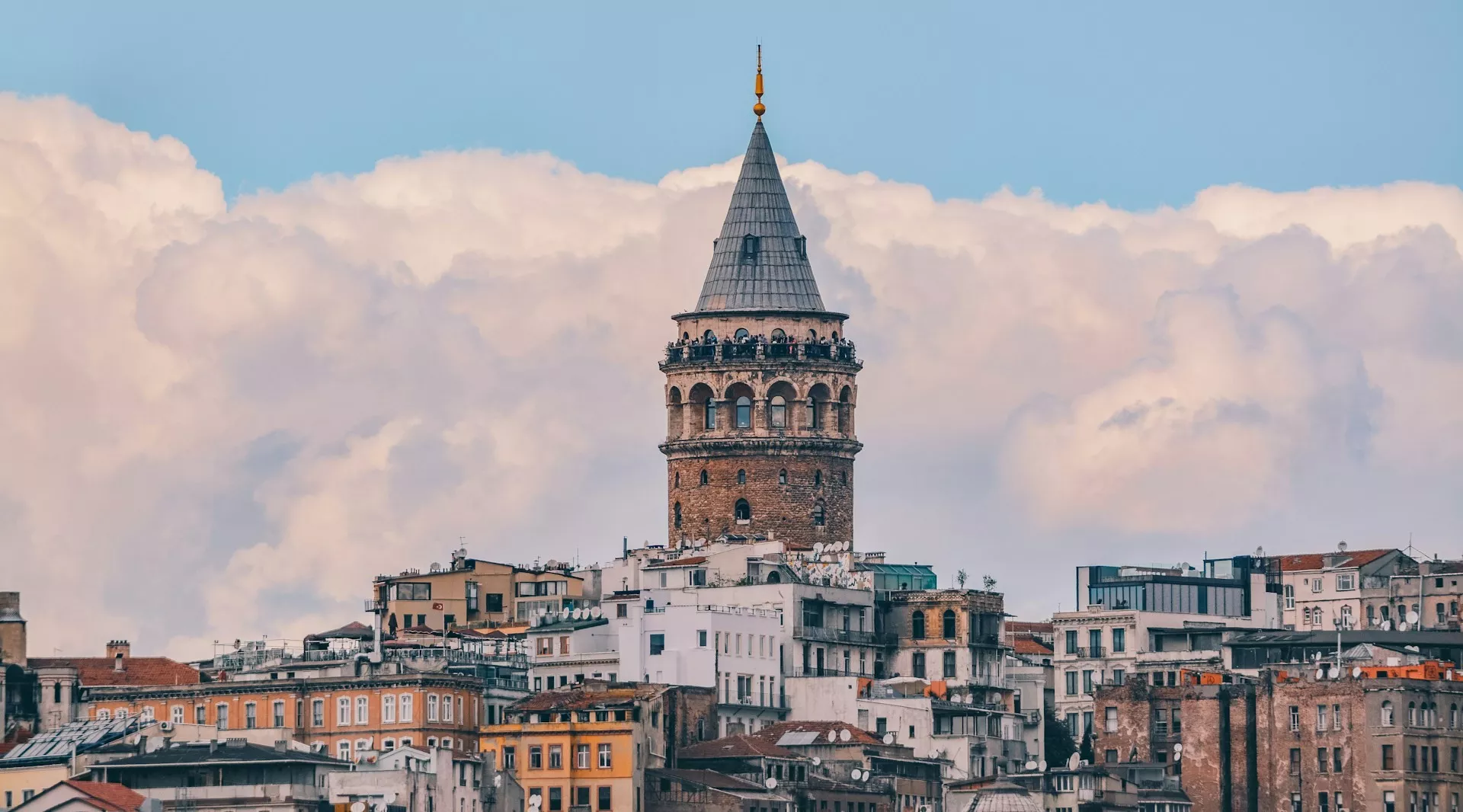
  • Galata Tower was built in 1348 by the Genoese and still stands 62 metres tall (AKM Istanbul).

Sultanahmet — İstanbul's Historic Core

Sultanahmet packs seven of the city's most important landmarks into roughly 1 km. Hagia Sophia alone receives an estimated 6 to 7 million visitors per year — around 50,000 on a typical day (Daily Sabah, citing Istanbul Deputy Mufti Ahmet Aktürkoğlu, July 2024). That density is exactly why you should start here. Get in early, move between sites on foot, and save the longer walks for the afternoon.

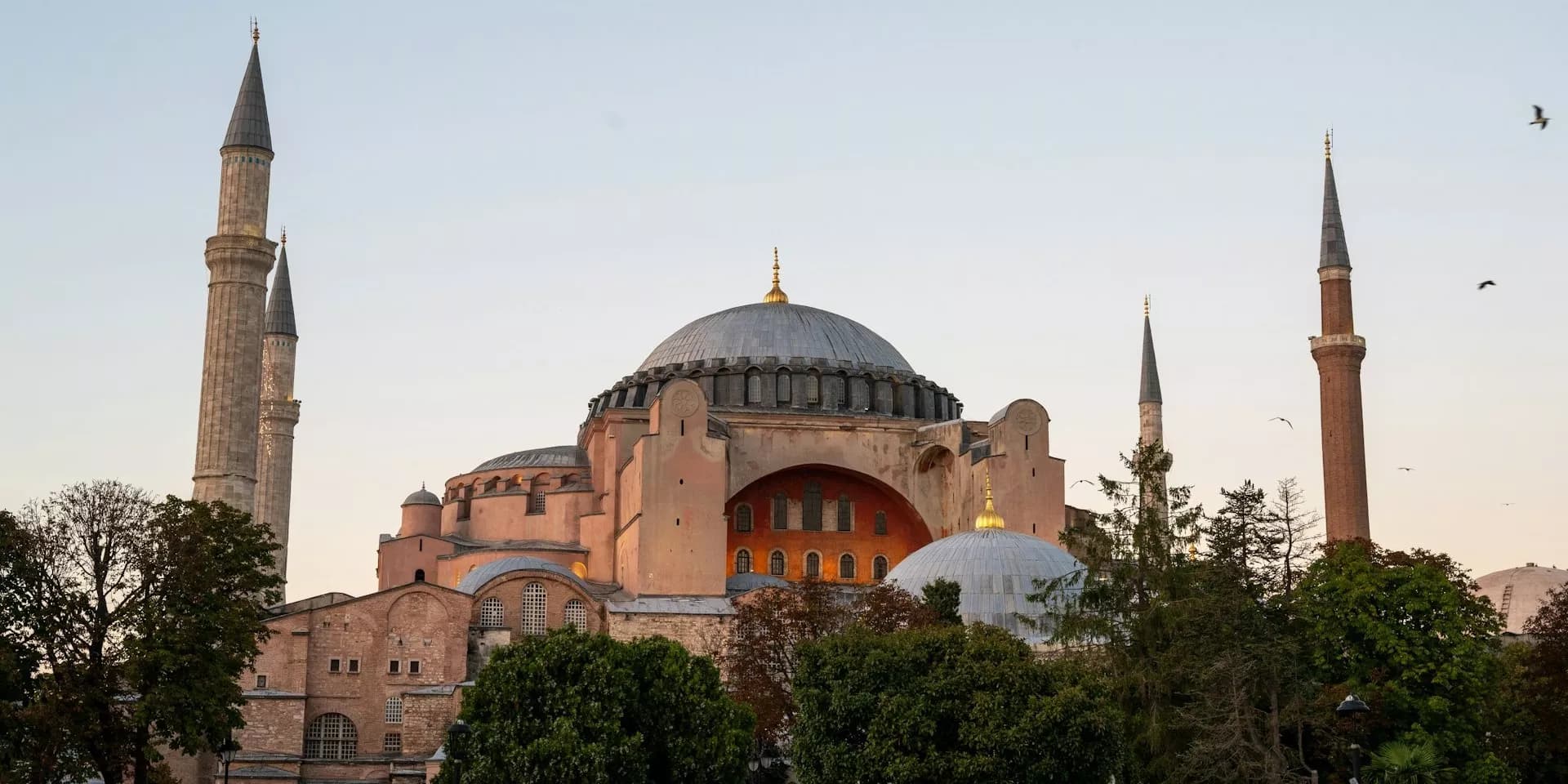
Hagia Sophia — Tier 1: Must-See

Hagia Sophia has served as a Byzantine cathedral, an Ottoman mosque, a secular museum, and — since 2020 — an active mosque again. It was the largest cathedral in the world for nearly 1,000 years, and that scale still hits you the moment you step inside. Tourists are welcome outside of Friday prayer hours (12:00 to 14:30); entry remains free. Read our full Hagia Sophia guide for dress code details, the best time to arrive, and what the mosaics actually show.

Hagiha Sophia

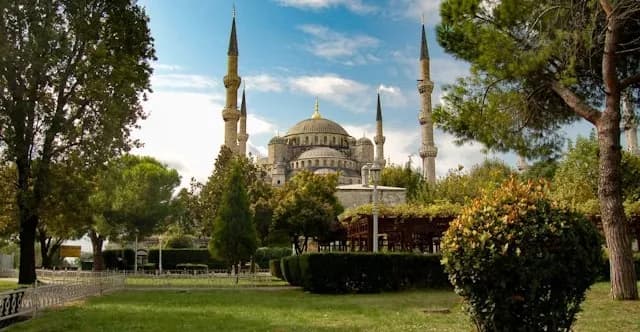
Blue Mosque — Tier 1: Must-See

The Sultan Ahmed Mosque — universally known as the Blue Mosque for its 20,000 hand-painted Iznik tiles — is the only mosque in İstanbul with six minarets. It sits directly across from Hagia Sophia, which makes the comparison between Byzantine and Ottoman sacred architecture an easy one to make. Visitors are welcome outside the five daily prayer times, each roughly 30 minutes long; modest dress is required, and free cover-ups are available at the entrance.

Blue Mosque

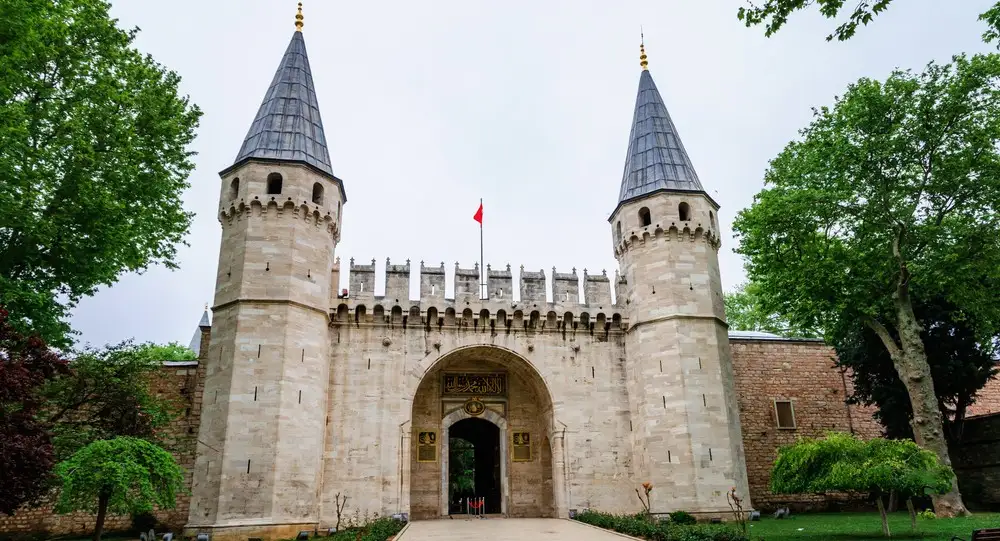
Topkapi Palace — Tier 1: Must-See

Topkapi served as the administrative and residential heart of the Ottoman Empire for nearly 400 years. Topkapi Palace received approximately 1,964,532 visitors in just the first half of 2023 (Daily Sabah, citing Anadolu Agency, 2023), and on busy summer days the entrance queue can stretch well past an hour. Book online in advance. The palace is closed on Tuesdays, and the Istanbul Museum Pass is accepted here — worth factoring into your budget.

Topkapı Palace interior

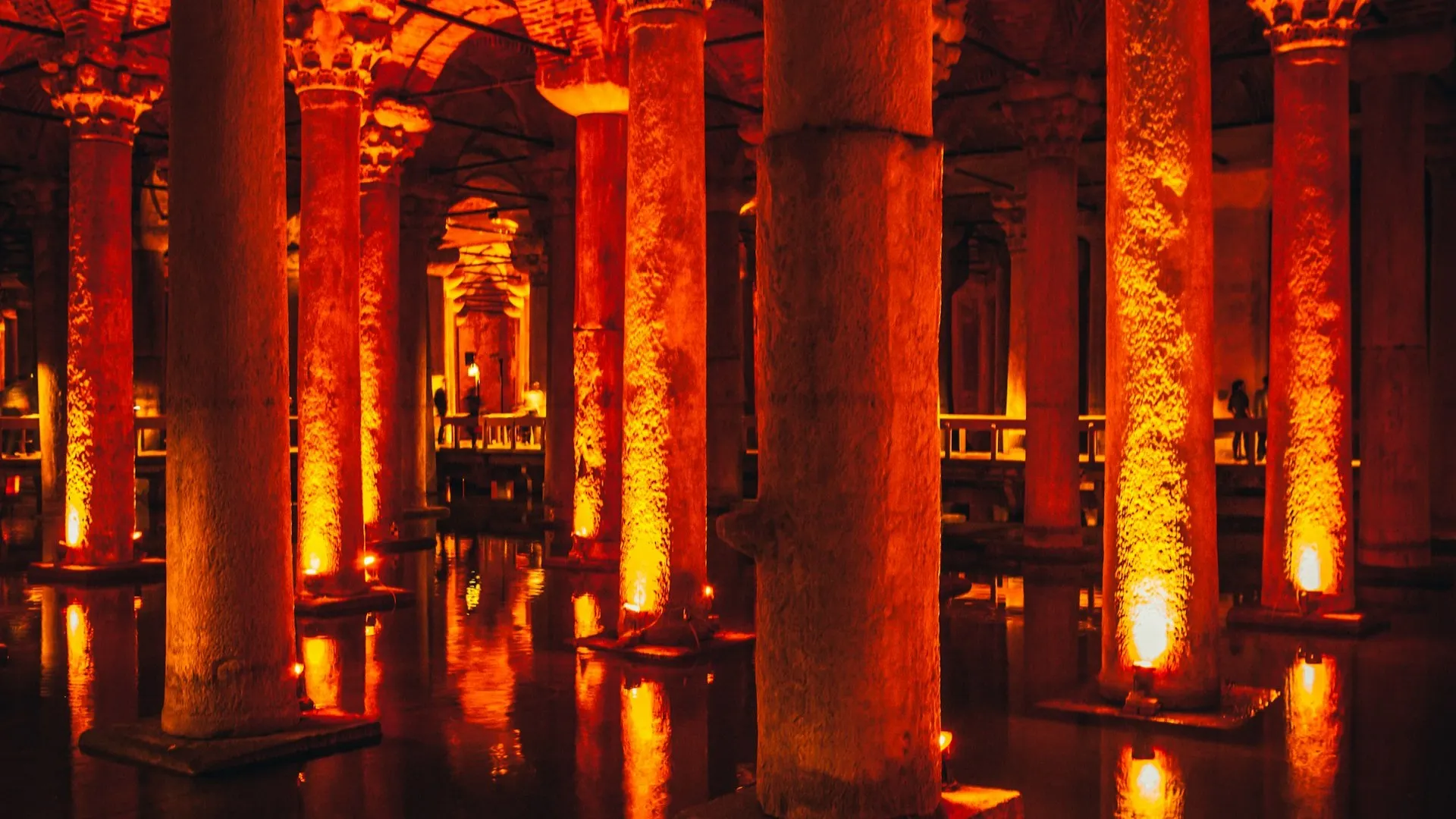
Basilica Cistern — Tier 1: Must-See

The Basilica Cistern was built in the 6th century under Emperor Justinian I to supply water to the Great Palace. It holds 336 marble columns, two of which rest on carved Medusa heads positioned sideways and upside-down — no one is entirely sure why. The cistern is open daily; pre-booking is strongly recommended because timed entry has been introduced in recent years and walk-in availability sells out by mid-morning in high season.

Basilica Cistern interior

Hippodrome of Constantinople — Tier 2: See If Time Allows

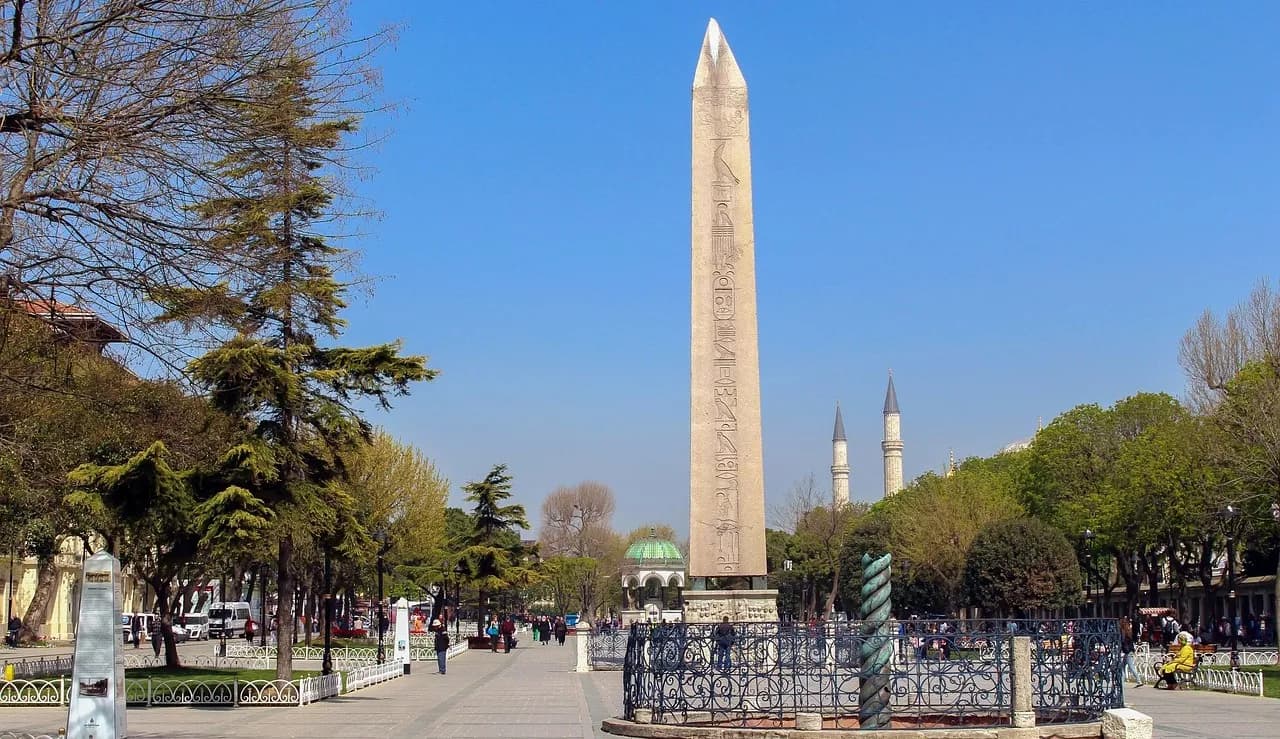
The Hippodrome was the social and sporting center of Byzantine Constantinople for nearly a thousand years — capable of holding up to 100,000 spectators at its peak. Today it's an open plaza (Sultanahmet Square), but three original monuments survive: the Obelisk of Theodosius, the Serpent Column, and the Walled Obelisk. Entry is free and the square is always open. See our full guide to the Hippodrome for the history behind each monument.

The Hippodrome of Constantinople

Istanbul Archaeology Museums — Tier 2: See If Time Allows

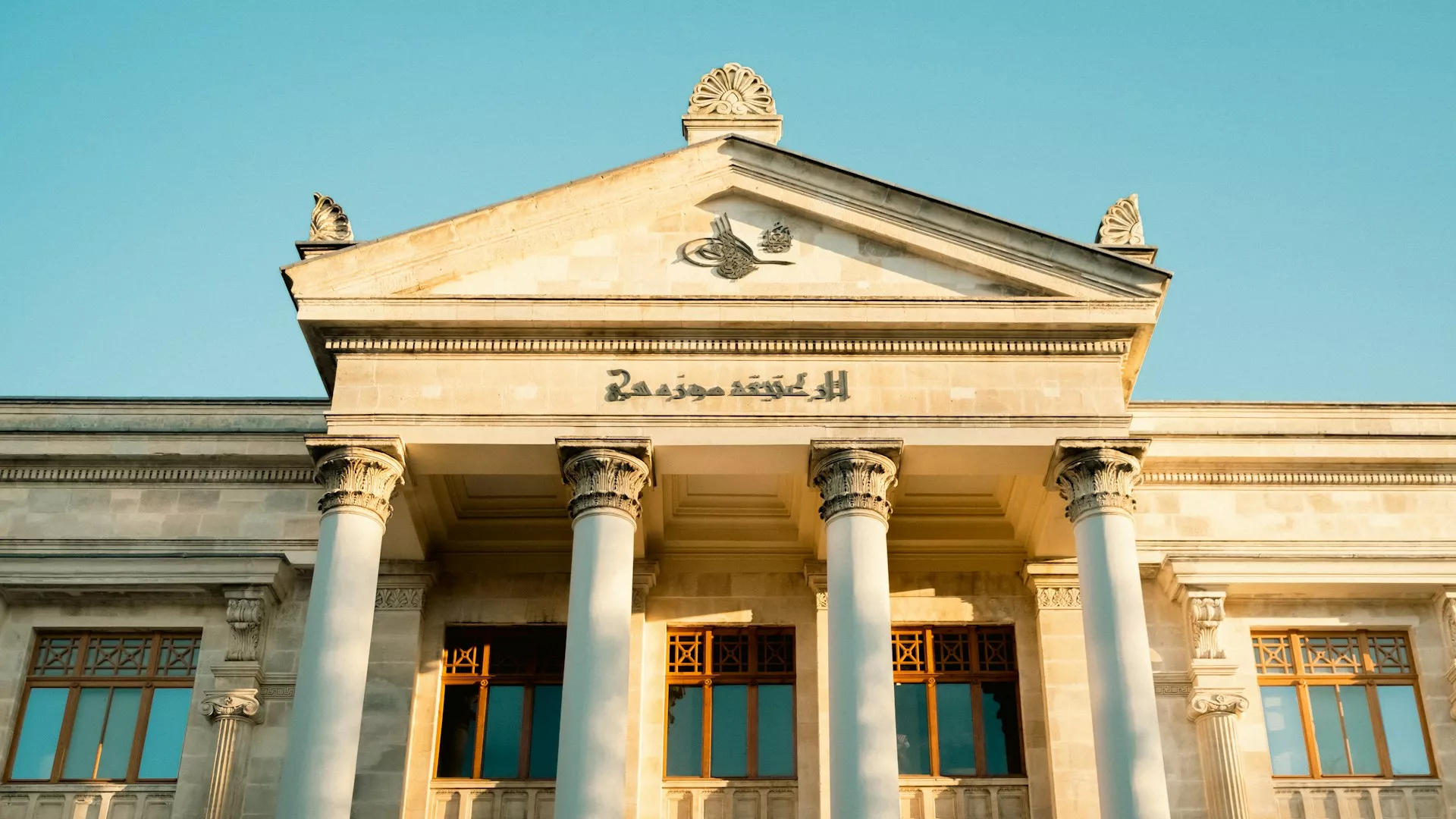
Three separate buildings on the Topkapi Palace grounds hold one of the world's great collections of ancient artifacts: the Archaeological Museum itself, the Museum of the Ancient Orient, and the Tiled Kiosk Museum. The Alexander Sarcophagus alone — found at Sidon in 1887 and still debated as to whose body it actually held — is worth the admission price. The Istanbul Museum Pass covers entry. Find the full collection overview in our guide to the Istanbul Archaeology Museums.

Istanbul Archaeology Museums interior

Gülhane Park — Tier 2: See If Time Allows

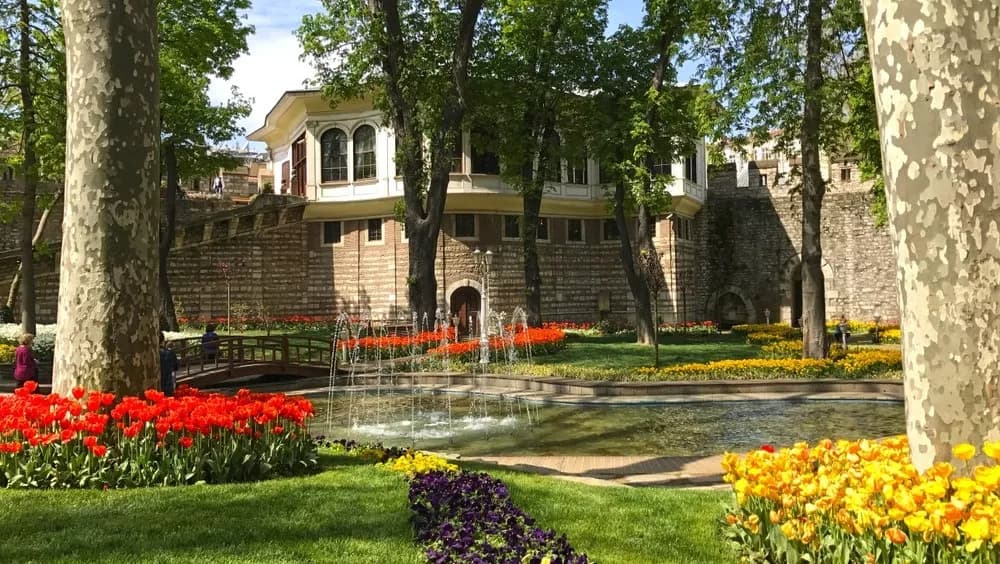
Gülhane was the outer garden of Topkapi Palace, and it's one of the oldest public parks in İstanbul. It costs nothing to enter, it's almost always less crowded than the surrounding landmarks, and it gives you a green, unhurried place to decompress after the palace. In spring, the rose and tulip displays are genuinely spectacular. Worth 20 to 30 minutes if you need a break between Topkapi and the Cistern.

You can browse tickets and save Sultanahmet stops directly to your map at Stadtly's İstanbul explore page.

Bazaar Quarter & Eminönü — İstanbul's Trading Heart

The Grand Bazaar recorded 39,766,801 visitors in 2022, cementing its status as one of the most visited enclosed spaces on earth (Go Türkiye, official Turkish tourism body, January 2023). That figure is worth pausing on. The bazaar has been in near-continuous operation since 1461. Five centuries of trading, and it still draws 40 million people in a year. The quarter around it — running from the Grand Bazaar down to the Eminönü waterfront — is dense, loud, and full of sensory overload. Here's how to read it.

The Grand Bazaar received 39,766,801 visitors in 2022, according to Go Türkiye, the official Turkish tourism body (January 2023). With more than 4,000 shops across 61 covered streets, it ranks among the oldest and largest covered markets in the world.

The Grand Bazaar — Tier 1: Must-See

The Grand Bazaar spans 61 covered streets and more than 4,000 individual shops, selling everything from leather goods and ceramics to spices and gold jewelry. Entry is free; the bazaar is closed on Sundays. The best time to visit is between 10:00 and 12:00, before the afternoon crowds peak. Read our guide on how to navigate the Grand Bazaar without getting lost before you go — it maps the best sections and explains the price negotiation culture.

The Grand Bazaar İstanbul

Süleymaniye Mosque — Tier 1: Must-See

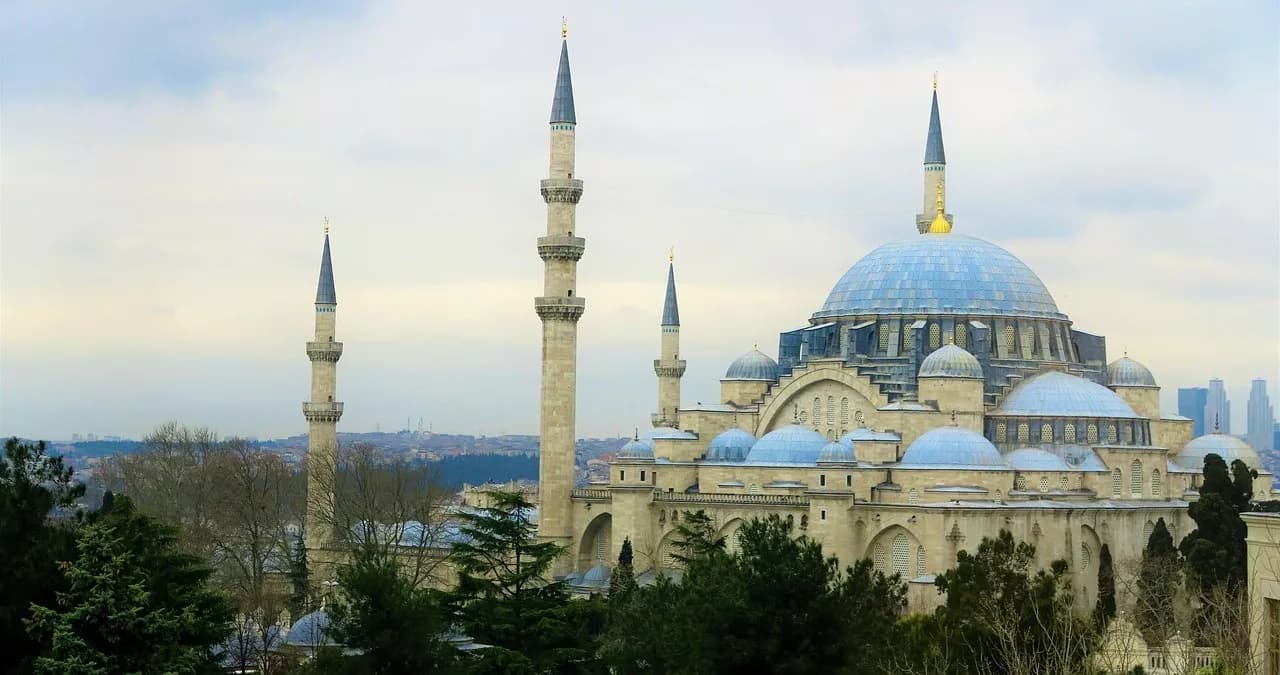
Süleymaniye is the largest mosque in İstanbul, commissioned by Suleiman the Magnificent and completed in 1557. Architect Sinan placed it on the city's third hill so its silhouette would dominate the skyline from the Bosphorus — and it still does. Entry is free. It's consistently less crowded than the Blue Mosque, the interior courtyard is quieter, and the terraced cemetery behind it holds the tombs of both Suleiman and Sinan himself.

Süleymaniye Mosque

Spice Bazaar (Egyptian Bazaar) — Tier 2: See If Time Allows

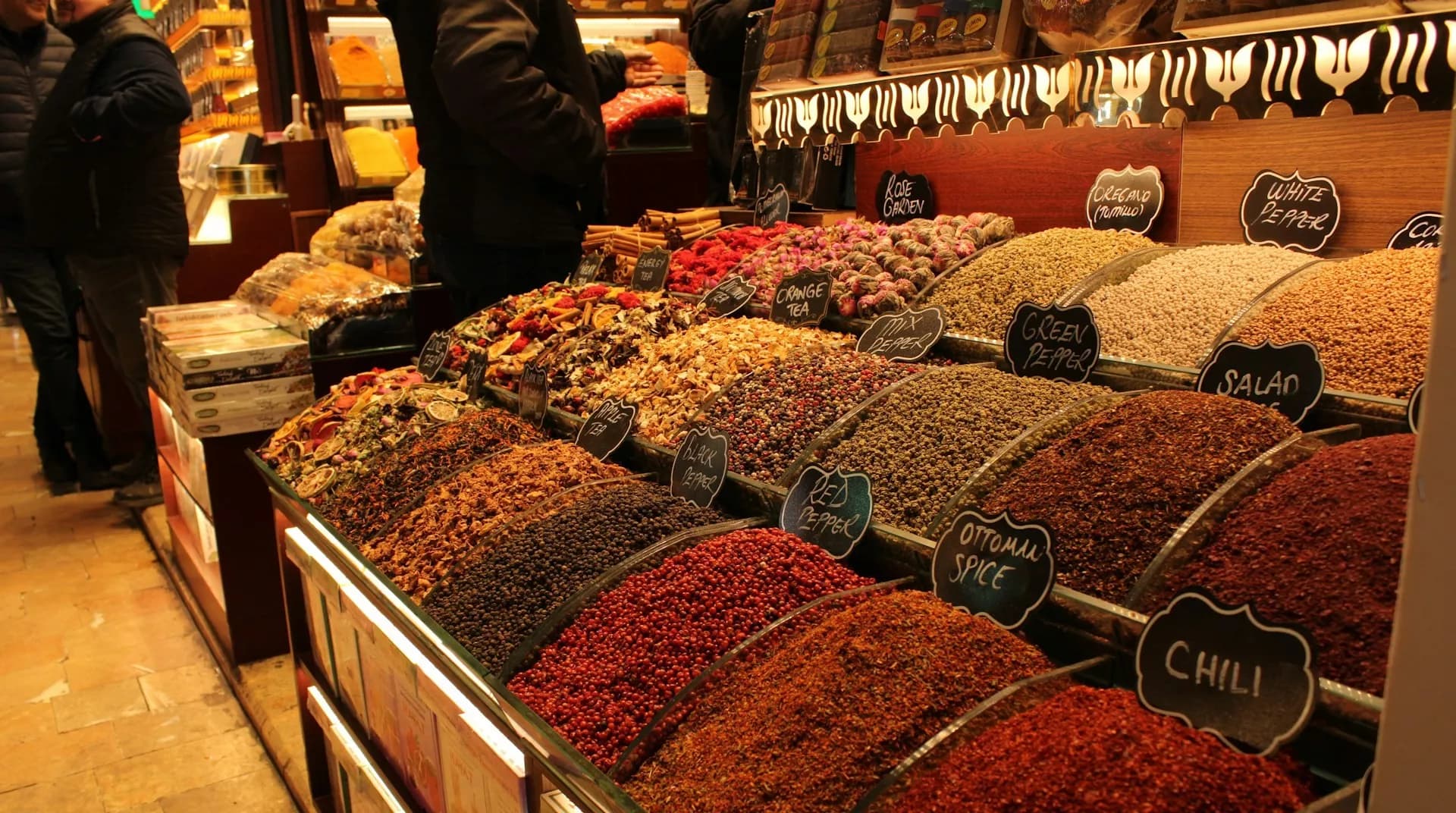
The Spice Bazaar dates to 1664 and originally served as part of the New Mosque's charitable endowment. Today its long L-shaped hall is lined with stalls selling dried spices, Turkish delight, nuts, dried fruits, and tea blends. It's smaller and far more manageable than the Grand Bazaar — plan for 30 to 45 minutes. Arrive before 11:00 to avoid tour groups, and don't buy saffron from the first stall you see; prices vary significantly between vendors.

The Spice Bazaar İstanbul

Eminönü Square — Tier 2: See If Time Allows

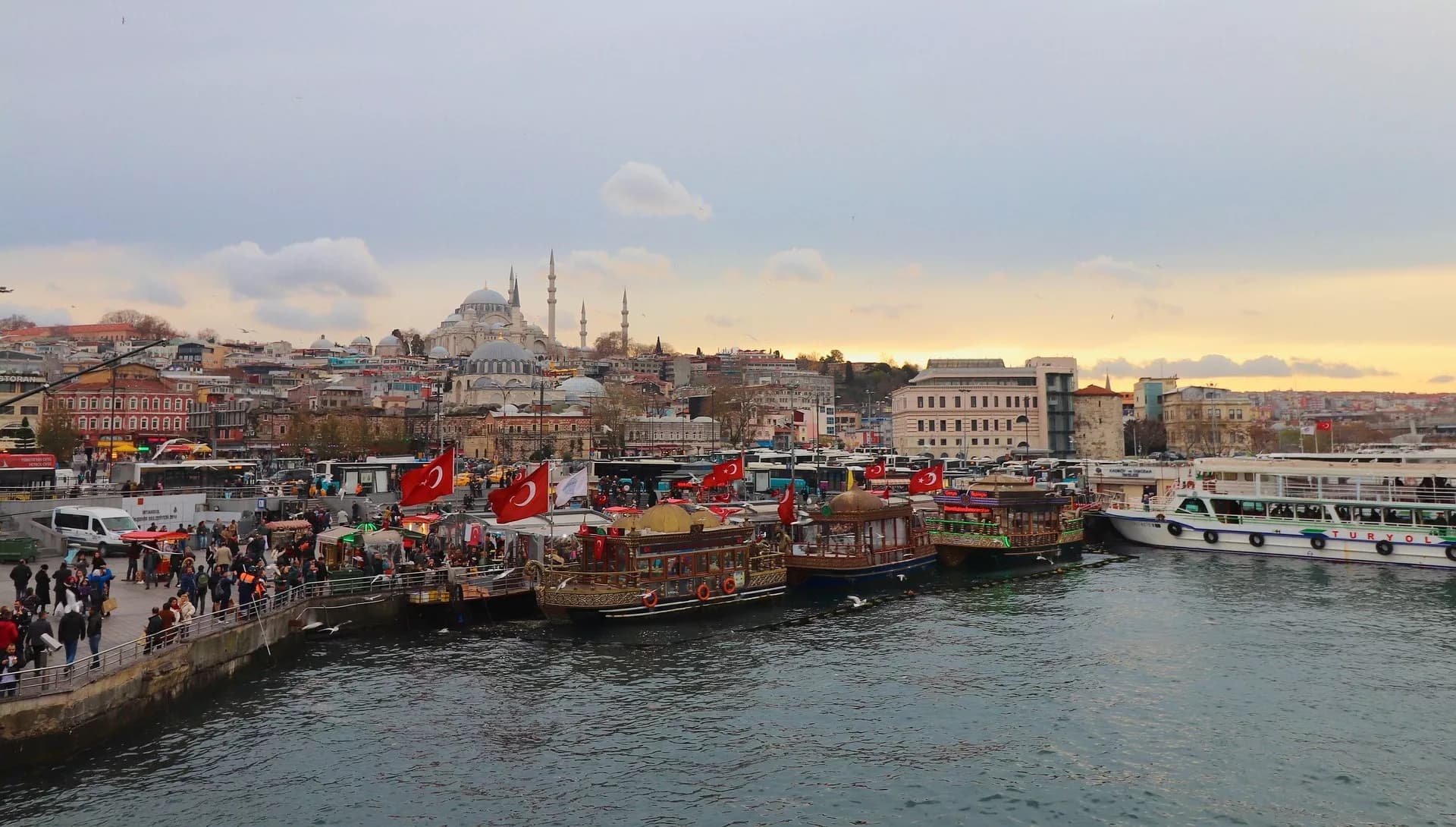
Eminönü sits at the point where the Golden Horn meets the Bosphorus, and it's been a ferry terminal, fish market, and commercial hub since the Byzantine period. Today it's most famous for the balık-ekmek (fish sandwich) boats moored at the quay — grilled mackerel in a bread roll, sold off the water. Worth 20 to 30 minutes on foot. The square also gives you the best ground-level view of the Galata Bridge before you cross it.

Galata Bridge — Tier 2: See If Time Allows

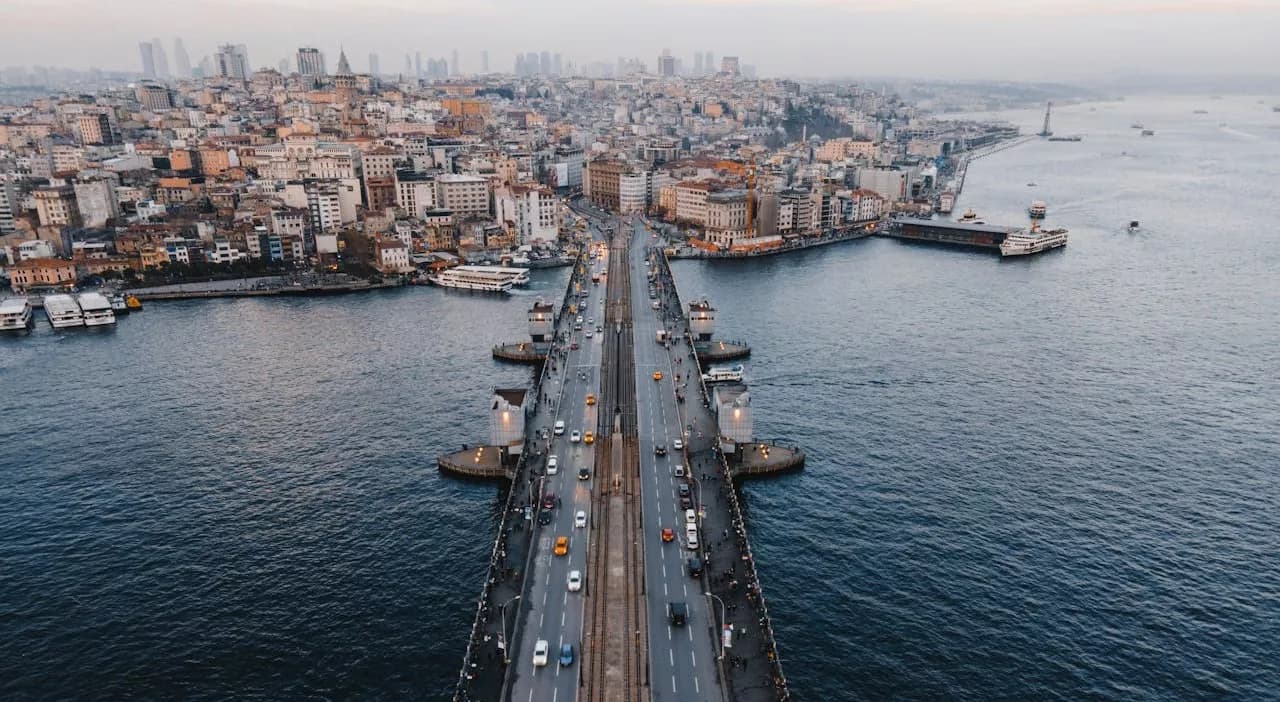
Galata Bridge connects Eminönü to Karaköy across the Golden Horn. Its lower level holds a continuous row of fish restaurants; its upper deck is lined with anglers at almost any hour. Walking the bridge is free and takes about 10 minutes. The early morning and late afternoon are the best times — the fishing activity peaks at those hours, and the light on both shores is better for photos than the harsh midday sun.

Pick up tickets for Süleymaniye and the surrounding bazaar sites at Stadtly's İstanbul explore page.

Galata & Beyoğlu — Hilltop Views and Street Culture

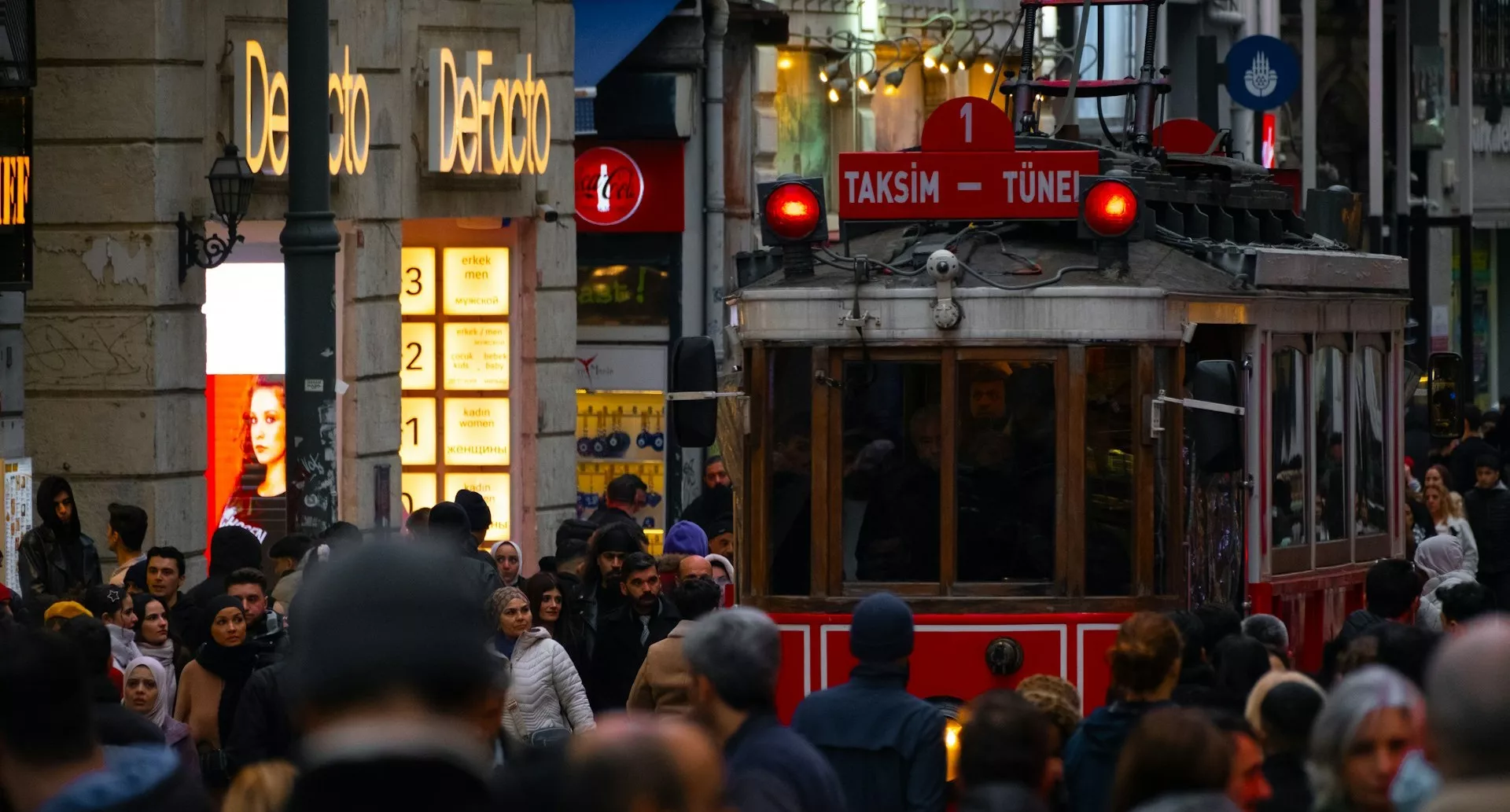
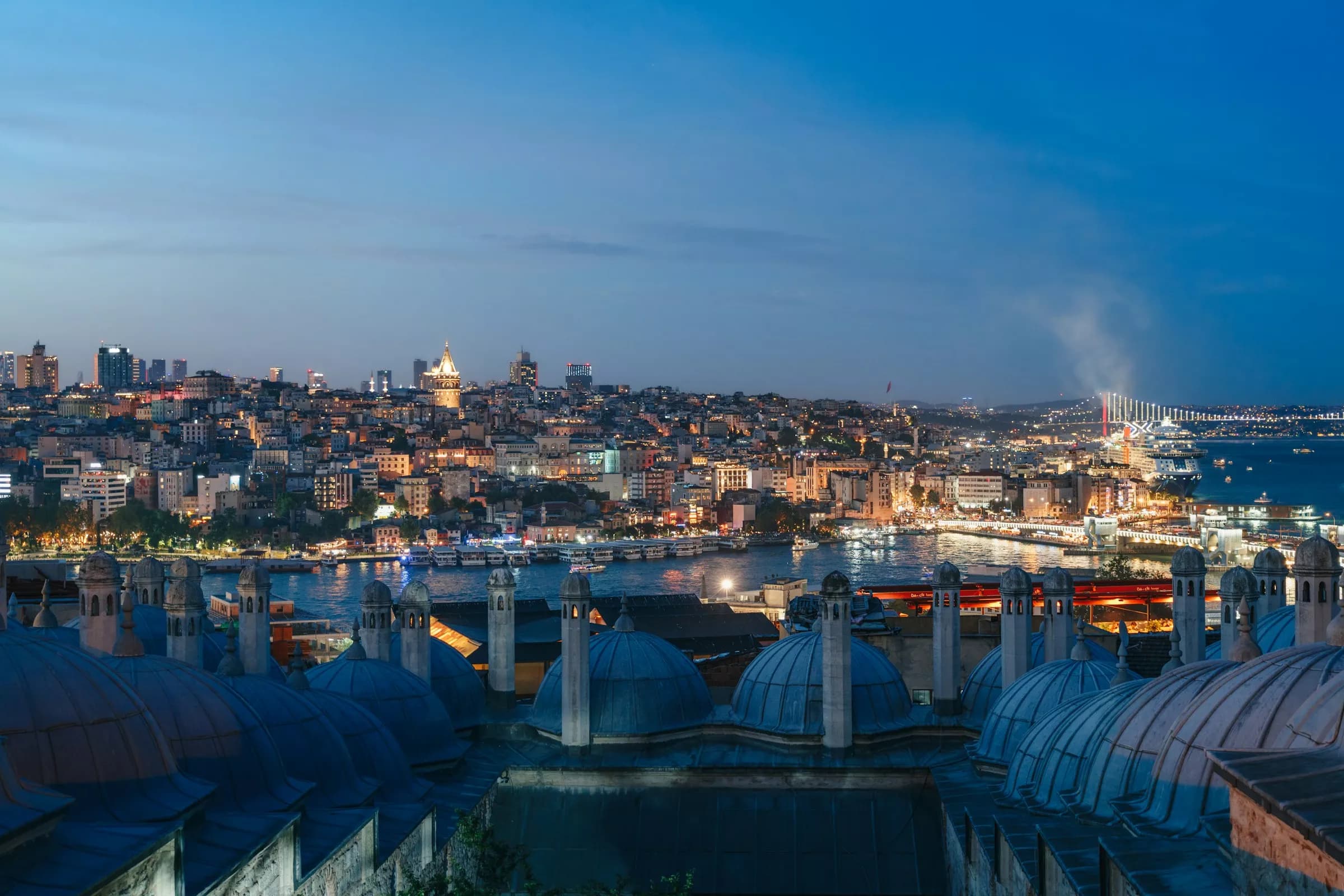
Istiklal Avenue recorded 107 million visitors in 2025 — a record for any street in İstanbul (Cushman & Wakefield TR International "Istanbul High Streets" report, via Hurriyet Daily News, March 2026). That's a staggering number for a pedestrian boulevard that stretches about 1.4 km. The Galata and Beyoğlu district sits north of the Golden Horn, reached easily by tram or the historic Tünel funicular. The energy here is completely different from Sultanahmet: Art Nouveau facades, late-night meyhanes, Jewish architecture, and one of the city's most recognizable medieval towers.

Istiklal Avenue attracted 107 million visitors in 2025, a record figure for any street in İstanbul, according to the Cushman & Wakefield TR International "Istanbul High Streets" report (via Hurriyet Daily News, March 2026). The 1.4-kilometre pedestrian boulevard connects Taksim Square to the Galata district.

Galata Tower — Tier 1: Must-See

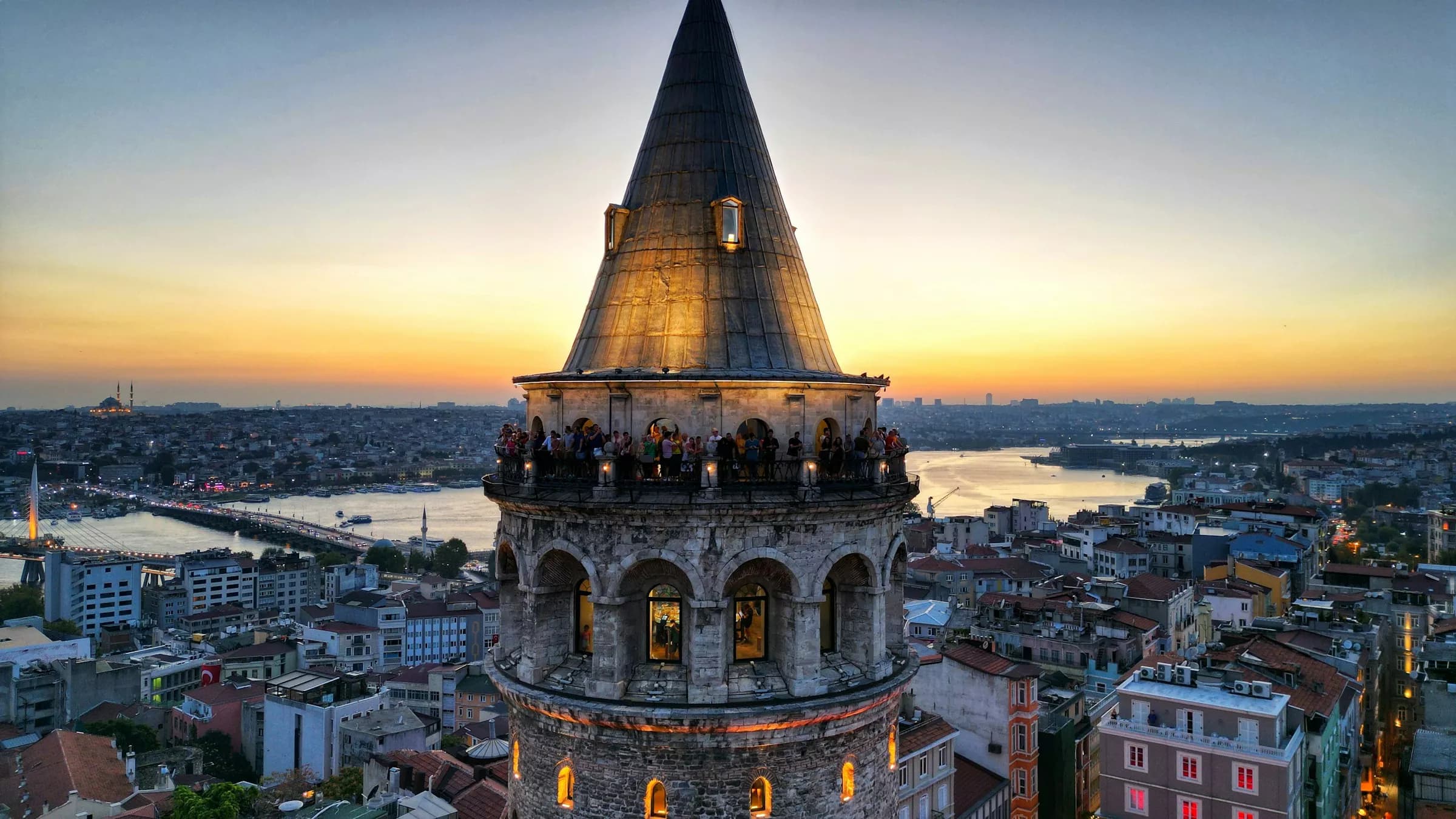
Built in 1348 by the Genoese as a watchtower for their trading colony, Galata Tower stands 62 metres tall and has anchored the İstanbul skyline for almost 700 years (AKM Istanbul, official government cultural site). The 360-degree rooftop view takes in Sultanahmet, the Bosphorus, the Golden Horn, and the Anatolian hills on a clear day. Timed entry tickets are strongly recommended — walk-in queues at the base can be long during summer afternoons.

Galata Tower

Istiklal Avenue — Tier 1: Must-See

Istiklal is İstanbul's central pedestrian boulevard, running from the Tünel funicular terminus at the Galata end up to Taksim Square at the north. It's lined with 19th-century European-style buildings, bookshops, cafes, clothing stores, cinemas, and churches representing half a dozen denominations. The historic red tram still runs its short loop along the avenue. Walk it at least once — ideally both in the afternoon (when it's busy) and after dark (when it's electric).

İstiklal Avenue

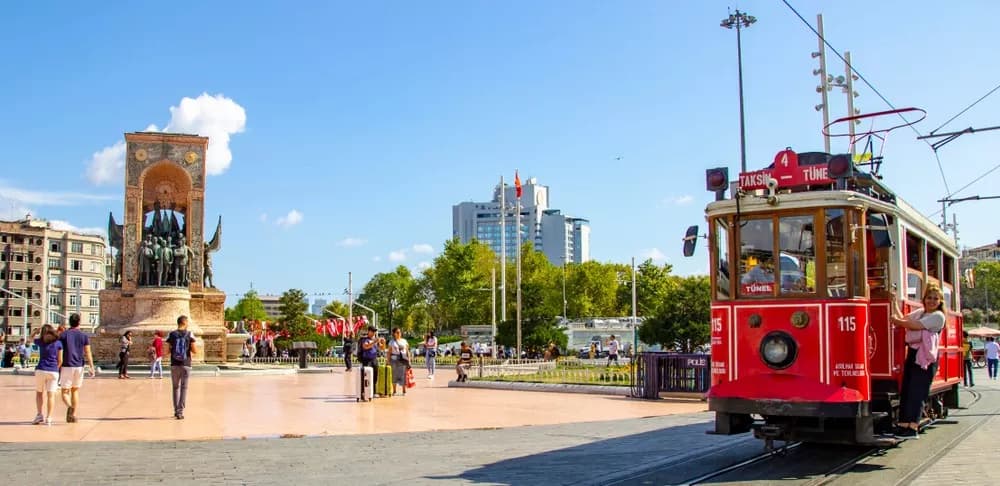
Taksim Square — Tier 1: Must-See

Taksim Square is İstanbul's symbolic civic center. The Republic Monument at its heart, built in 1928, marks the founding of the modern Turkish state. The square functions less as a tourist attraction in its own right and more as the organizing hub of the upper city — metro lines, buses, and Istiklal Avenue all converge here. Worth a 15-minute stop to orient yourself and get the lay of the district.

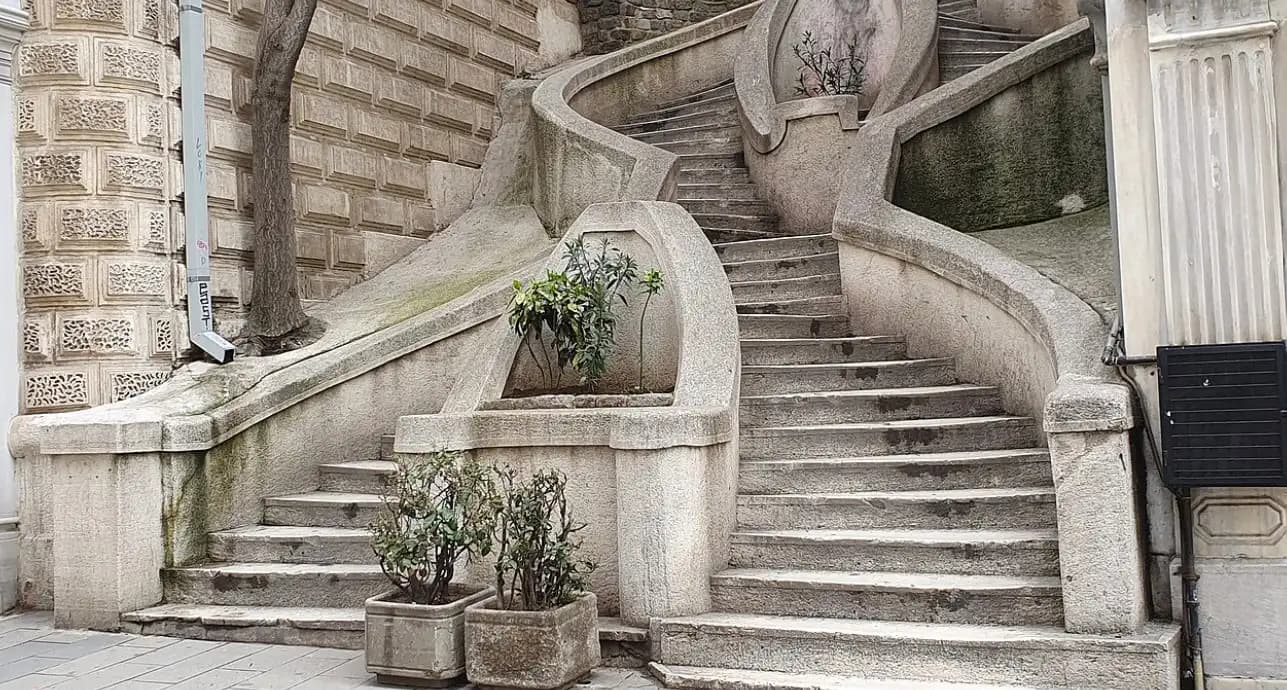
Kamondo Stairs — Tier 2: See If Time Allows

The Kamondo Stairs are a curved, double-branching stone stairway built in the 1860s by the Kamondo banking family — a prominent Sephardic Jewish family in the Ottoman financial world. They connect the lower Karaköy neighborhood to Galata's upper streets. The stairs themselves take about two minutes to walk; they're worth the short detour for the architectural curiosity and the photographs, which consistently appear across travel media covering İstanbul.

Kamondo Stairs

Pera Museum — Tier 2: See If Time Allows

The Pera Museum holds three permanent collections: Orientalist paintings (including Osman Hamdi Bey's famous "The Tortoise Trainer"), Anatolian weights and measures, and Kütahya tiles. It also runs serious rotating exhibitions — often international loans. The museum is closed on Mondays; no Museum Pass coverage; admission is reasonably priced. It sits directly on Istiklal, which makes it an easy add-on rather than a dedicated detour.

İstanbul Pera Museum interior

Flower Passage (Çiçek Pasajı) — Tier 2: See If Time Allows

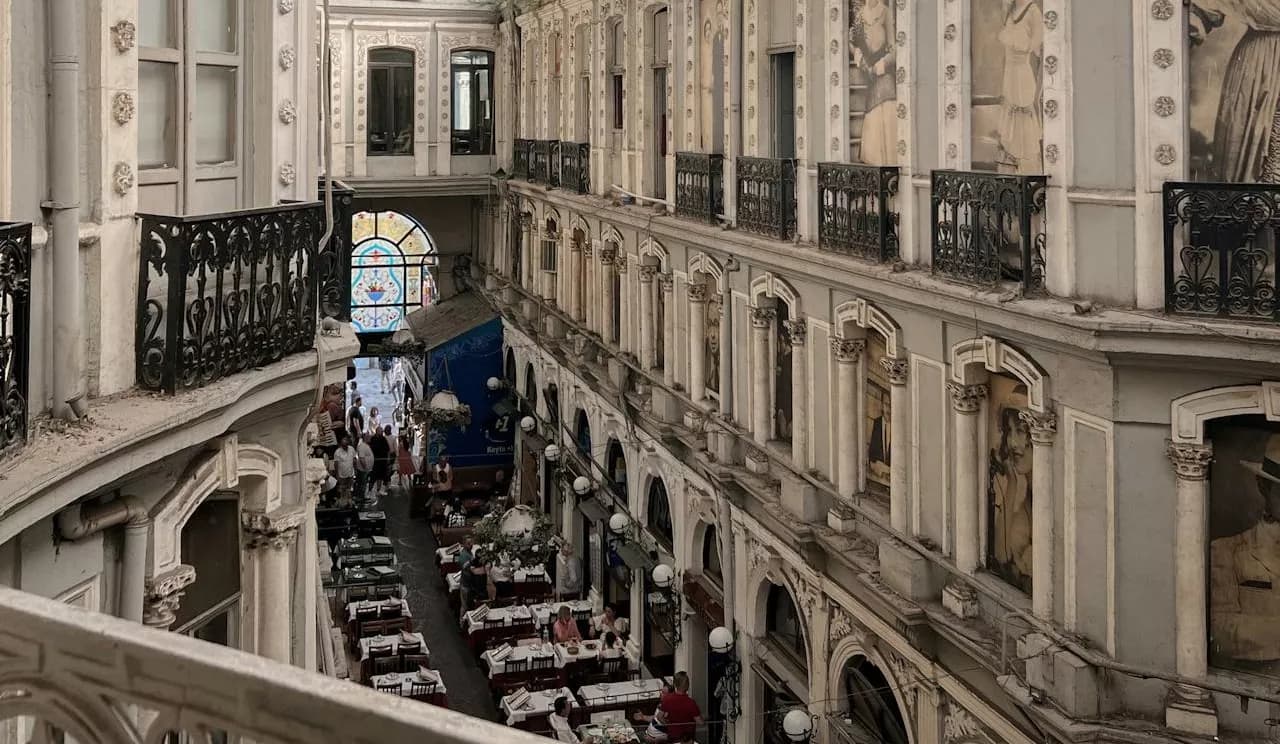
The Flower Passage is a 19th-century shopping arcade off Istiklal that was converted into a string of meyhanes (traditional taverns) in the mid-20th century. The ornate iron-and-glass ceiling is the real draw. It's compact — about 50 metres of covered arcade — and while the food is unremarkable by İstanbul standards, the atmosphere at lunchtime or early evening is lively. Free to enter; buy a drink or snack if you sit.

The Flower Passage İstanbul

Tünel — Tier 2: See If Time Allows

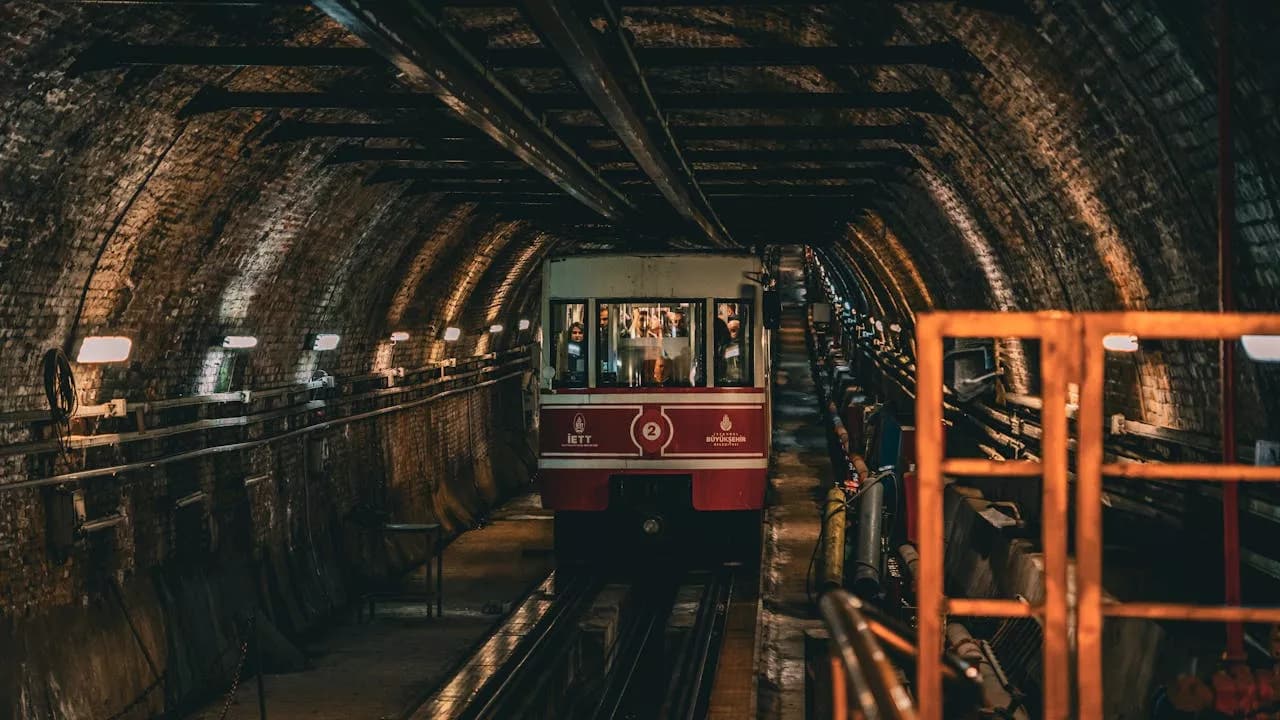
Tünel is the world's second-oldest underground railway, opened in 1875. The line runs for just 573 metres, connecting Karaköy at the bottom of the Galata hill to the start of Istiklal Avenue at the top. The ride takes under two minutes. It's not a tourist attraction in the conventional sense — it's functional transit — but it's a genuinely historic piece of infrastructure, and taking it rather than walking the steep hill is a practical choice as well as a mild curiosity.

Galata Mevlevi House — Tier 2: See If Time Allows

The Galata Mevlevi House is one of the oldest and most important Mevlevi lodges in İstanbul, dating to 1491. It now operates as a museum dedicated to Sufi culture and the Mevlevi order, and it hosts scheduled sema ceremonies (whirling dervish performances) on certain evenings. Check the schedule before you visit — the ceremony is the main reason to come. Walk-in visits to the museum portion are available daily, but the ceremony sessions require booking in advance.

Explore Galata and Beyoğlu stops and save them to your map at Stadtly's İstanbul explore page.

Galata Mevlevi House interior

Bosphorus Shore — Palaces and Sea Views

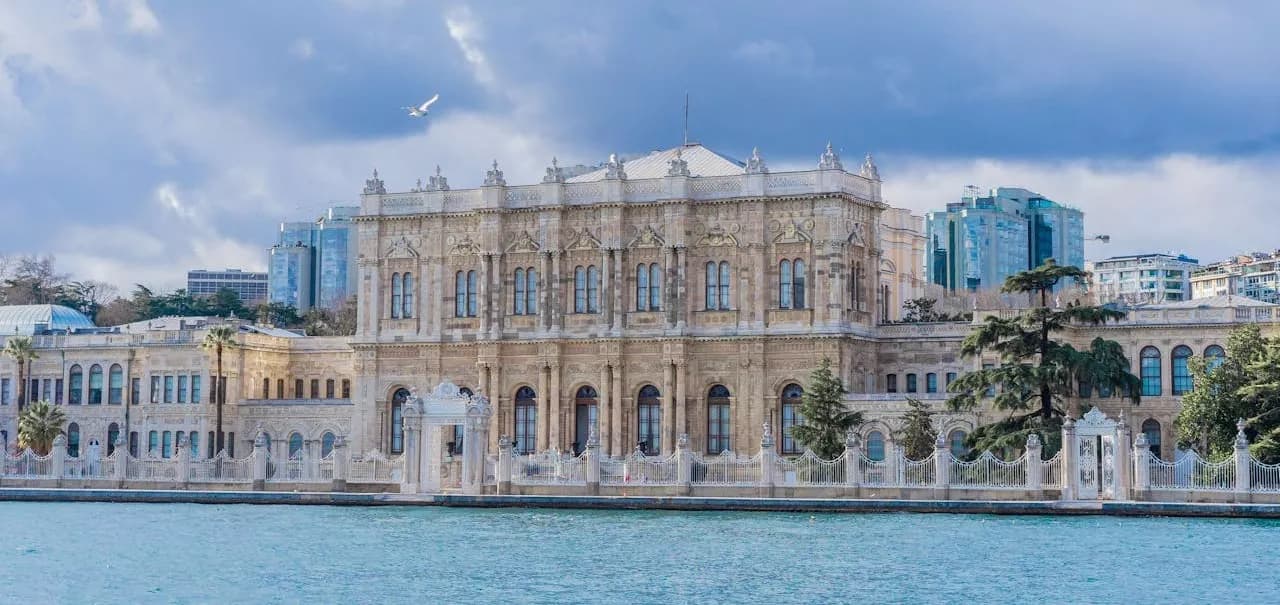
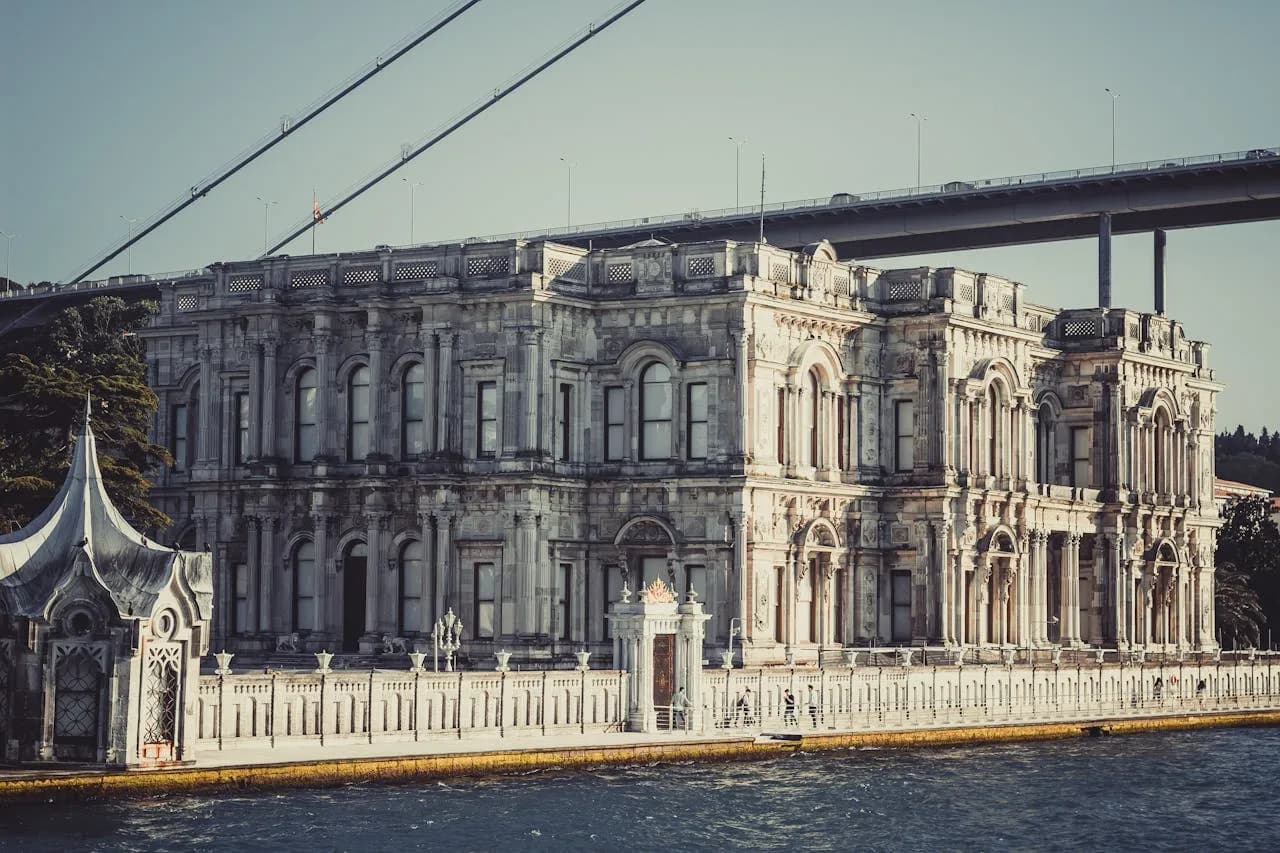
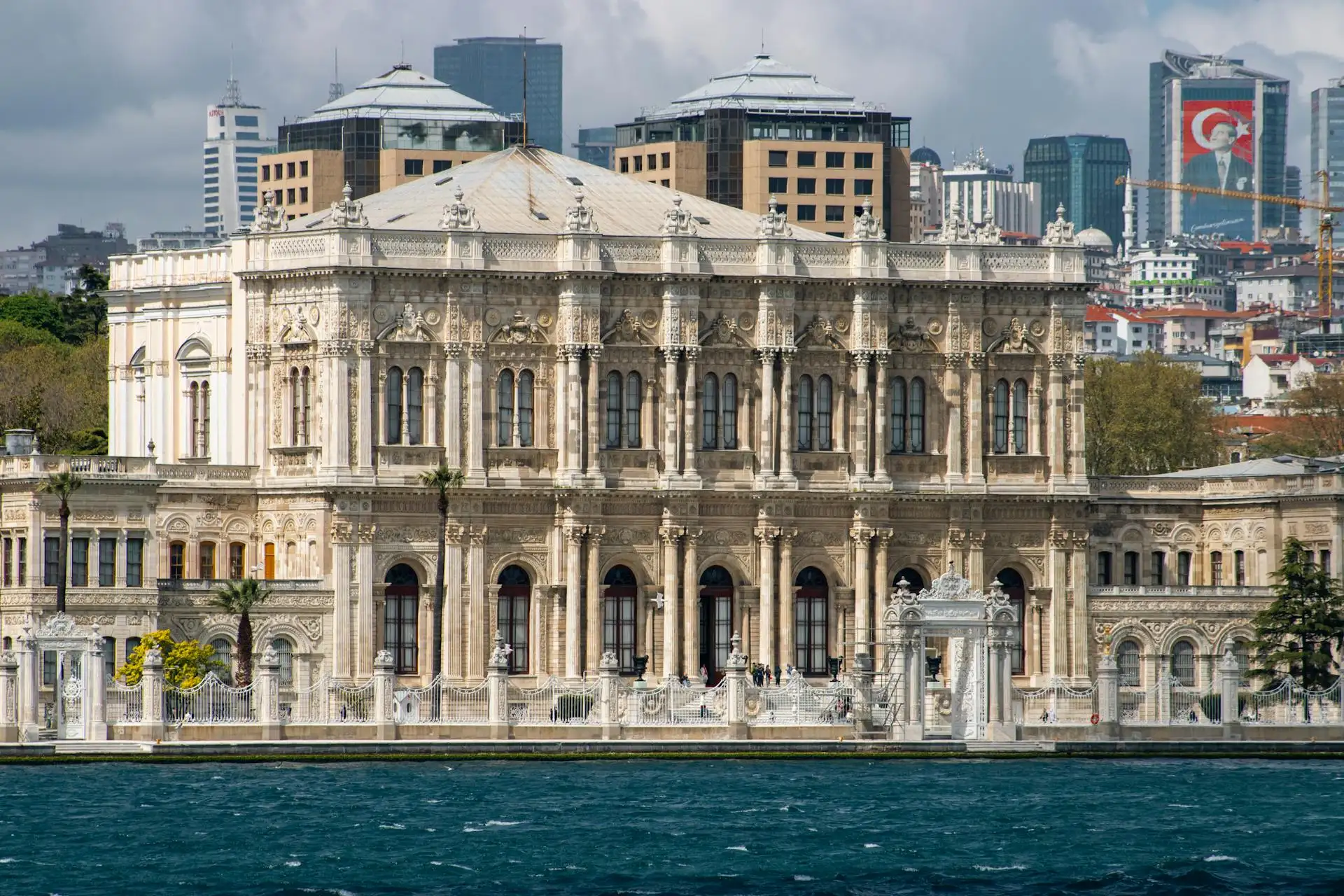
The Bosphorus section of this list is defined by one standout statistic: Dolmabahçe Palace contains a chandelier weighing 4.5 tonnes, fitted with 750 lamps, reportedly the world's largest Bohemian crystal chandelier (Wikipedia, citing Hurriyet, 2006). That detail tells you something about the palace's scale and ambition. Sultan Abdülmecid I built Dolmabahçe in the 1850s as a deliberate statement — equal in grandeur to any European royal residence of the era, and placed directly on the Bosphorus waterfront for maximum effect.

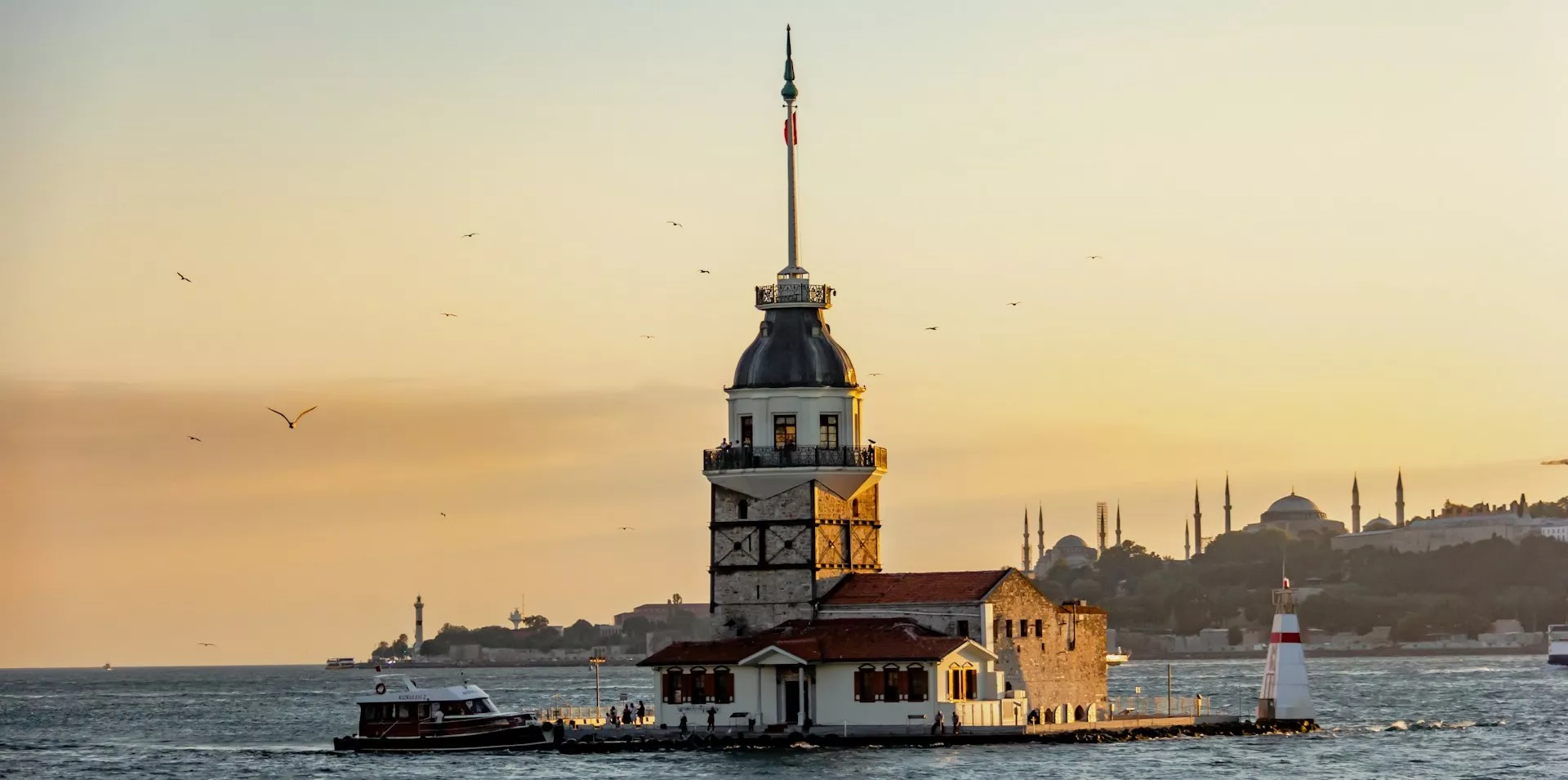
Most of the attractions in this section sit on the European shore of the strait. The Maiden's Tower is the notable exception: it occupies a small islet roughly 200 metres off the Asian shore at Üsküdar. Everything else here is reachable from the Beşiktaş or Kabataş tram and ferry stops.

Dolmabahçe Palace's main reception hall holds a chandelier weighing 4.5 tonnes, with 750 lamps, reportedly the world's largest Bohemian crystal chandelier, according to Hurriyet (2006, via Wikipedia). The palace was completed in 1856 and served as the primary administrative residence of the late Ottoman sultans.

Dolmabahçe Palace — Tier 1: Must-See

Dolmabahçe Palace was completed in 1856 and served as the primary residence of the last six Ottoman sultans. The building stretches 600 metres along the Bosphorus shoreline and contains 285 rooms. Guided tour only — no self-guided access is permitted. The palace is closed on Mondays. Book well in advance during summer, when morning slots fill by early afternoon. The Istanbul Museum Pass provides partial coverage; check which sections are included when you book.

Dolmabahçe Palace İstanbul

Ortaköy Mosque — Tier 1: Must-See

The Ortaköy Mosque (officially Büyük Mecidiye Camii) sits at the water's edge in Ortaköy, with the Bosphorus Bridge rising directly behind it. That backdrop makes it one of the most photographed spots in İstanbul, and for good reason — the combination of Ottoman baroque architecture and the suspension bridge spanning two continents is genuinely striking. Entry is free. The surrounding Ortaköy square is worth exploring too: it fills with street food vendors and craft stalls on weekends.

Ortaköy Mosque

Maiden's Tower (Kız Kulesi) — Tier 2: See If Time Allows

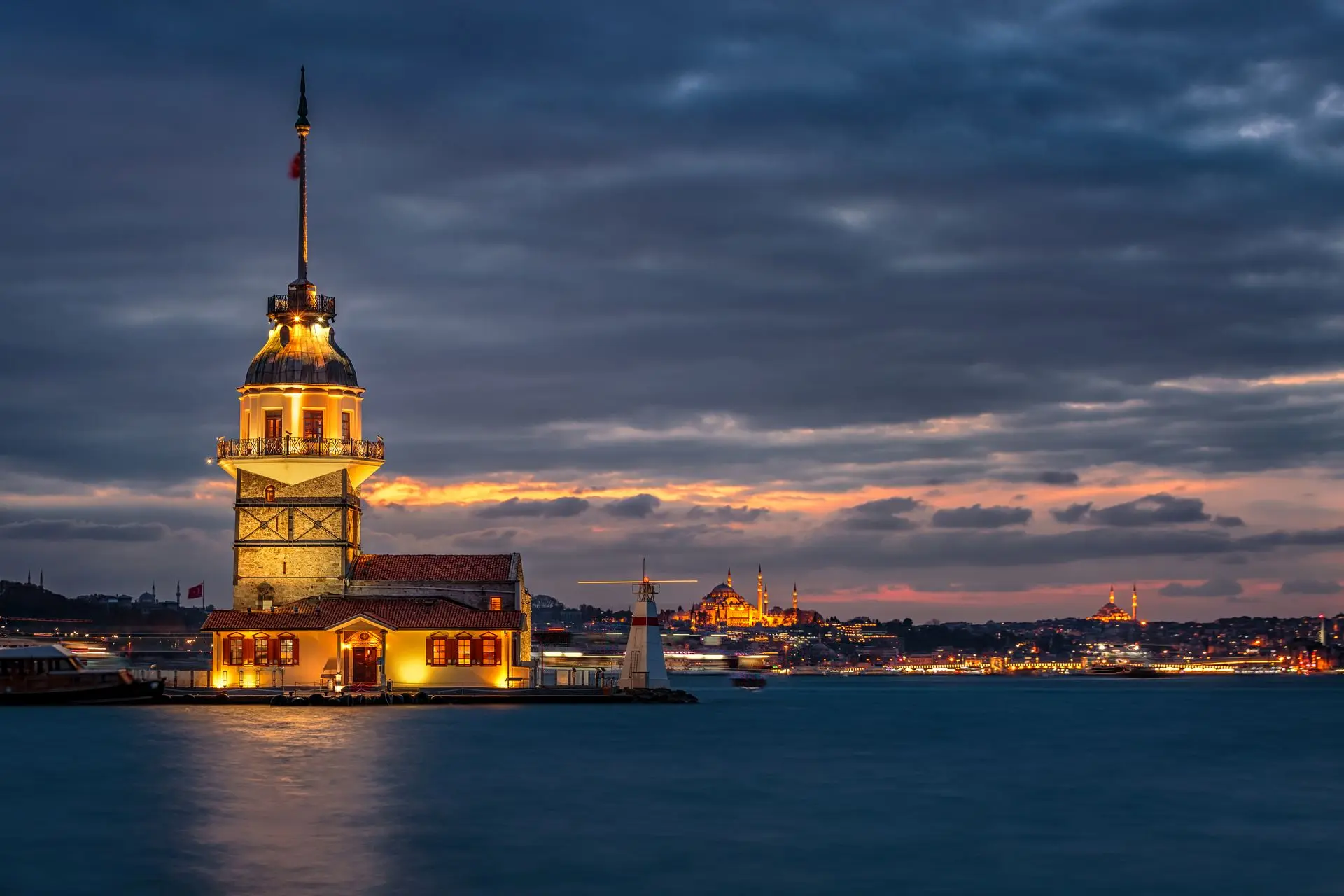
The Maiden's Tower occupies a tiny islet roughly 200 metres off the Asian shore at Üsküdar. Its origins are Byzantine, though the current structure dates primarily to an 18th-century Ottoman rebuild. The tower now contains a café and restaurant, and reaching it requires a short ferry crossing from either Kabataş (European side) or Üsküdar (Asian side). It's worth the trip if you want a reason to cross to the Asian shore, or if you're looking for an unusual dinner location.

Rumelihisarı — Tier 2: See If Time Allows

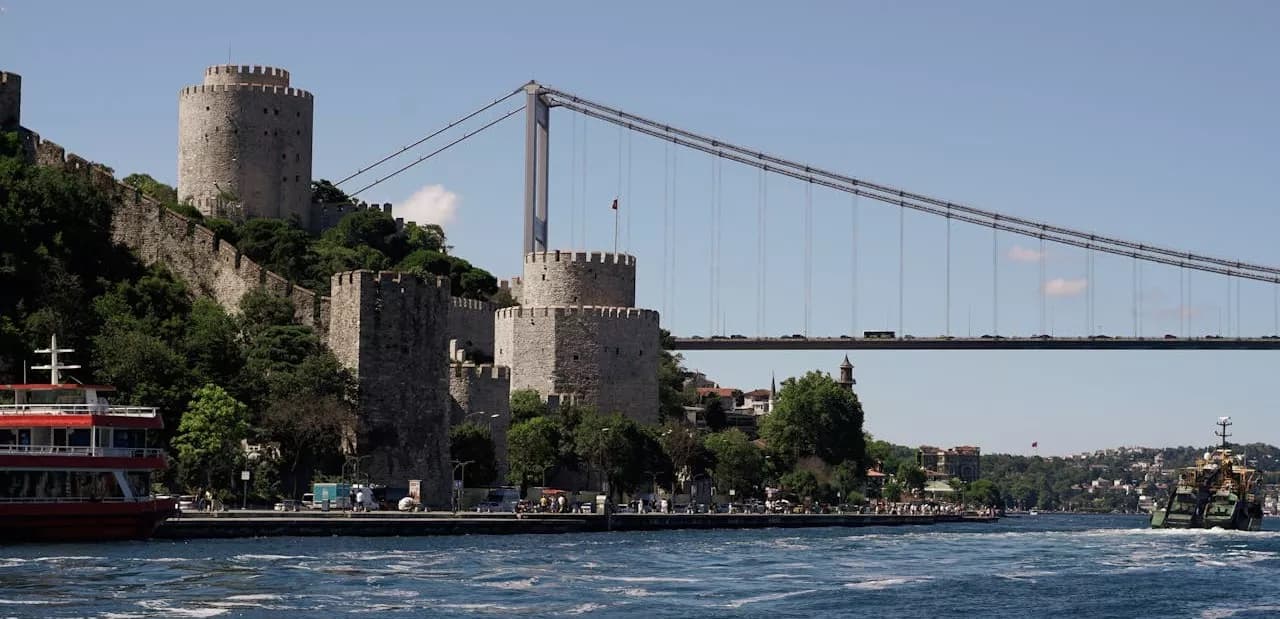
Rumelihisarı is a Ottoman fortress built by Mehmed II in just four months in 1452 — specifically to cut off Byzantine supply routes from the Black Sea ahead of the final siege of Constantinople. Its location on the Bosphorus narrows is striking: three massive towers connected by walls that drop straight into the water. The fortress is open most days (check for seasonal closures), the admission price is low, and the views from the upper ramparts over the strait are excellent. Worth combining with a Bosphorus-side afternoon.

Check available tours and Bosphorus-side attractions at Stadtly's İstanbul explore page.

Off the Beaten Path — İstanbul Beyond the Tourist Trail

Most first-time visitors never leave the triangle between Sultanahmet, the Grand Bazaar, and Galata Tower. That's understandable — that triangle contains extraordinary things. But İstanbul's full identity only comes into view when you go further. The Golden Horn's western neighborhoods hold Byzantine mosaics, a 19th-century Jewish quarter, and a scale model of the entire city. These six sites draw a small fraction of Sultanahmet's crowds; some days you'll have them nearly to yourself. Is that worth a half-day detour? For most curious travelers, yes.

Balat is one of İstanbul's oldest surviving historic neighborhoods, settled by Sephardic Jewish communities following the Ottoman conquest in 1453. Its 19th-century timber houses, painted in faded pastels, remain largely intact along steep lanes above the Golden Horn.

Off-path İstanbul rewards visitors who plan around transport. Chora Church, Balat, Pierre Loti Hill, and Yedikule Fortress sit in a loose arc along the old Theodosian Walls — a taxi or the T5 tram covers the ground between them in under 20 minutes.

Balat — Tier 1: Must-See (for Curious Travelers)

Balat was the center of İstanbul's Sephardic Jewish community after the Ottoman conquest in 1453. Its steep lanes are lined with 19th-century timber houses painted in faded pastels — a visual contrast to the monumental stonework of Sultanahmet. No entry ticket is required; it's simply a neighborhood to walk. The best time to explore is a weekday morning before tour groups arrive. See more of Balat's colorful streets in our Instagram spots guide.

İstanbul Balat

Chora Church (Kariye Camii) — Tier 1: Must-See (for Curious Travelers)

The Chora Church contains some of the finest surviving Byzantine mosaics in the world, dating primarily to the early 14th century. They cover the narthex and inner narthex with scenes from the life of Christ and the Virgin Mary that are astonishing in their detail and color preservation. The church was reconverted to an active mosque in 2020; tourist access continues outside prayer times, but hours and access can change on short notice. Always verify current status before making it the anchor of your day.

Pierre Loti Hill — Tier 2: See If Time Allows

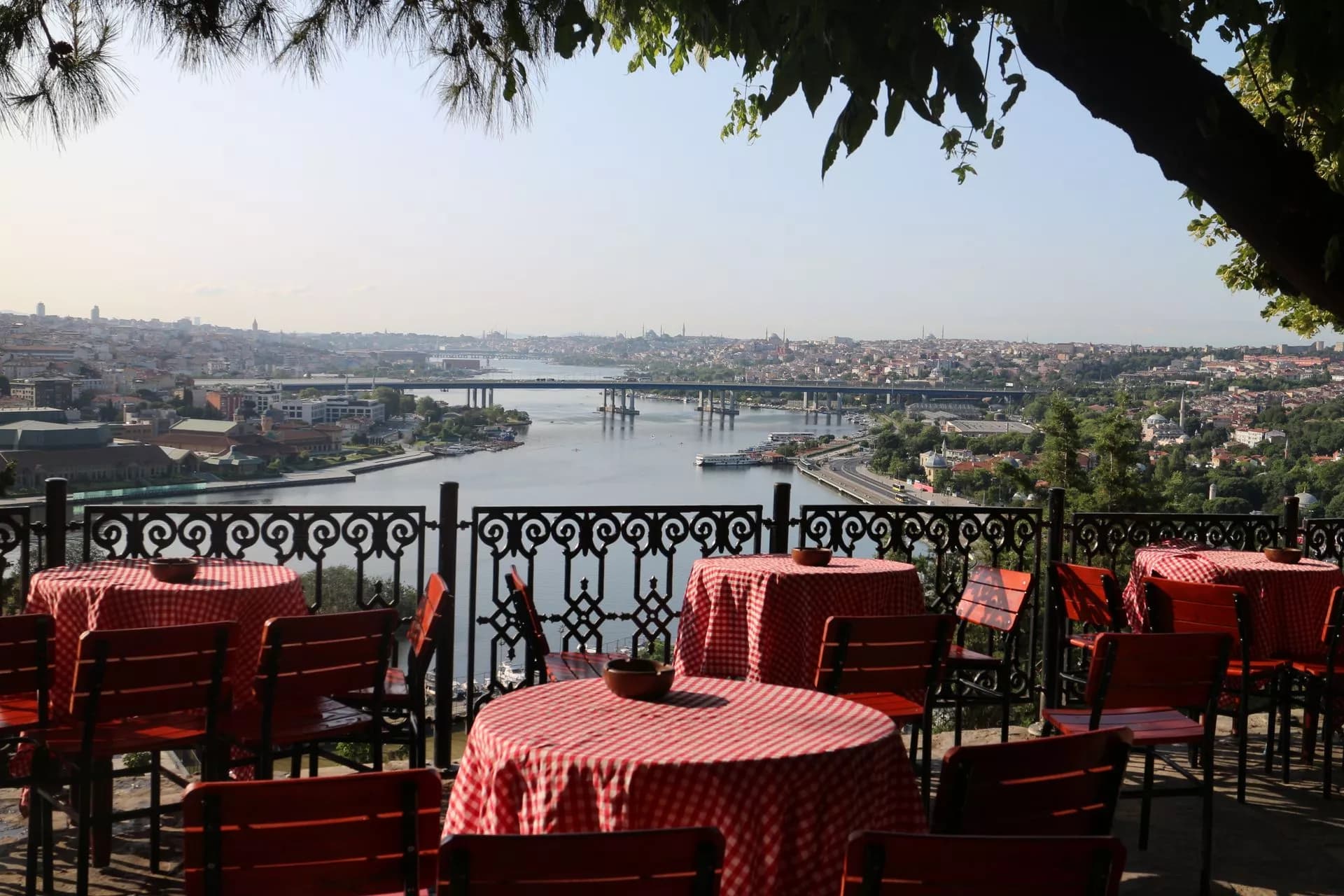
Pierre Loti Hill takes its name from the French novelist Julien Viaud, who wrote under the pen name Pierre Loti and frequented a café at the top of this hill overlooking the Golden Horn in the late 19th century. The café is still there, and the view down the Horn toward Sultanahmet and the sea remains one of the most peaceful panoramas in the city. You can walk up the steep path or take the cable car from Eyüp. Best visited in the late afternoon as the light softens.

Pierre Loti Hill

Miniaturk — Tier 2: See If Time Allows

Miniaturk is İstanbul's open-air miniature park on the Golden Horn waterfront, featuring 1:25-scale models of more than 100 Turkish historical monuments — from Hagia Sophia to Nemrut Dağı to Pergamon. It's unambiguously family-oriented, and it works well on that level: it gives younger visitors a memorable overview of Turkish heritage sites they won't encounter in person. Adults traveling without children may find it a curiosity rather than a priority. The park sits near the Rahmi Koç Museum, so combining both makes sense logistically.

Rahmi Koç Museum — Tier 2: See If Time Allows

The Rahmi Koç Museum occupies a 19th-century Ottoman anchor foundry and shipyard on the Golden Horn and covers transport, communication, and industrial history from the late Ottoman period through the 20th century. The collection includes full-size steam locomotives, aircraft, ships, vintage cars, and a 1940s submarine you can walk through. It's one of the more unusual and undervisited museums in İstanbul. Closed on Mondays; walk-in admission; no Museum Pass coverage.

Yedikule Fortress — Tier 2: See If Time Allows

Yedikule ("Seven Towers") was built by Mehmed II in 1458, incorporating a section of the ancient Theodosian Walls. The fortress served variously as a treasury, a state prison, and a punishment site for disgraced Ottoman officials and foreign ambassadors. Today it's a museum and archaeological site at the far southwest edge of the old city. Few tourists make it this far; the site is large and open, the tower climbs are dramatic, and the adjoining section of the Theodosian Walls is some of the best-preserved ancient fortification in the world.

Save off-path stops to your personalized İstanbul map at Stadtly's İstanbul explore page.

Planning Your Visit — Practical Notes

Three factors shape every İstanbul itinerary: which sites close on which days, which require advance booking, and whether the Museum Pass covers your priority list. Getting these wrong costs you half a day. Topkapi Palace on a Tuesday, for instance, is simply closed — no exceptions. Dolmabahçe Palace without a pre-booked guided tour means you don't get inside. The table below gives you the essentials at a glance.

AttractionClosed Day(s)BookingMuseum Pass
Topkapi PalaceTuesdayRecommendedYes
Dolmabahçe PalaceMondayRequired (guided)Yes (partial)
Pera MuseumMondayWalk-inNo
Grand BazaarSundayWalk-inFree entry
Hagia SophiaNo full closure (tourist pause Fri 12:00–14:30)Walk-inFree entry
Istanbul Archaeology MuseumsTuesdayWalk-inYes
Basilica CisternOpen dailyRecommendedNo
Galata TowerOpen dailyRecommendedNo
Rahmi Koç MuseumMondayWalk-inNo

Museum Pass note. The Istanbul Museum Pass is available in 3-day and 5-day versions. It covers Topkapi Palace, Istanbul Archaeology Museums, and a range of other state-run sites. Dolmabahçe Palace coverage is partial — confirm which sections are included when you purchase, as the harem and main ceremonial halls have historically been priced separately.

Istanbulkart note. Buy an Istanbulkart (the reloadable transit card) at the airport or any major tram stop as soon as you arrive. It covers tram, metro, funicular (Tünel), and most city ferries. Single-journey tickets cost significantly more per ride. The T1 tram line connects Sultanahmet to Karaköy (for Galata); the T5 line runs along the Golden Horn toward the off-path neighborhoods.

For a full day-by-day sequence, see our optimized 1-day route for Sultanahmet.

Frequently Asked Questions

What is the number one attraction in İstanbul?

Hagia Sophia consistently ranks as İstanbul's most-visited single attraction. It receives an estimated 6 to 7 million visitors per year — around 50,000 per day at peak season (Daily Sabah, citing Istanbul Deputy Mufti Ahmet Aktürkoğlu, July 2024). Entry is free, and it's the only site in this guide where you genuinely need to arrive at opening time to avoid hour-long entry queues.

How many days do you need to see İstanbul's main attractions?

Three to four days covers the core comfortably: one full day in Sultanahmet, one in the Bazaar Quarter and Galata, and one or two for the Bosphorus palaces and your chosen off-path neighborhood. Two days works, but requires real prioritization — focus on Tier 1 attractions only. Our 2-day İstanbul plan maps the most efficient sequence for a shorter trip.

Which İstanbul attractions are on the European side vs. the Asian side?

Almost every attraction in this guide sits on the European side of the Bosphorus. The Maiden's Tower is the exception: it's on a small islet off the Asian shore at Üsküdar, reachable by ferry from Kabataş (European) or Üsküdar (Asian). If you want to combine it with an Asian-side afternoon, Üsküdar's waterfront and the Bosphorus views from Çamlıca Hill are genuinely worth the crossing — though those sites fall outside this guide's inventory.

Is the İstanbul Museum Pass worth it?

The pass is worth it if your list includes Topkapi Palace, the Istanbul Archaeology Museums, and at least one or two additional covered sites. Those three alone can exceed the pass price when purchased individually. The pass is not useful if your focus is on free sites (Hagia Sophia, the Blue Mosque, Süleymaniye) or non-covered museums like the Pera Museum, Basilica Cistern, or Galata Tower. Check the current pass coverage on the official Müze Kart website before buying, as the site list changes.

Can you walk between İstanbul's main attractions?

Within Sultanahmet, yes — all seven landmarks are within comfortable walking distance of each other. The Bazaar Quarter is about a 15-minute walk uphill from Sultanahmet. Galata and Beyoğlu, however, require either the T1 tram to Karaköy or a ferry across the Golden Horn — it's about 30 minutes on foot over Galata Bridge, which is fine if you want the walk but impractical when you're trying to cover more ground. The Bosphorus shore attractions are best reached by bus or taxi from Beşiktaş or Kabataş.

Conclusion

İstanbul's 30 essential attractions fall across five distinct neighborhoods, each with a different character. Sultanahmet is the historical core, dense with monuments built over two empires and 1,500 years. The Bazaar Quarter is commercial and alive, organized around trade routes that predate most European cities. Galata and Beyoğlu shift into 19th-century Europe-facing İstanbul, with its covered arcades and pedestrian boulevards. The Bosphorus shore is defined by waterfront palaces built to impress. And the off-path neighborhoods — Balat, Eyüp, the Golden Horn west bank — show you the city's layered identity more clearly than any landmark can.

Use the tier system to fit this list to your schedule. Tier 1 attractions are genuinely non-negotiable. Tier 2 attractions reward the time you give them, but won't leave you with a gap if you don't.

Before you arrive, build your route on Stadtly's free İstanbul itinerary map — it covers all 30 attractions in this guide, lets you reorder stops by neighborhood, and exports as a shareable link or PDF. If your trip is short, follow our 1-day route if time is tight. If you have more room, our 2-day İstanbul plan gets you across both the historic core and the Galata district without sacrificing the Bosphorus.

Sources

  1. Turkish Ministry of Culture and Tourism, via Hurriyet Daily News. "Turkey Welcomes 18.6 Million Foreign Tourists in H1 2024." Hurriyet Daily News, February 2, 2025. https://www.hurriyetdailynews.com

  2. Daily Sabah (citing Istanbul Deputy Mufti Ahmet Aktürkoğlu). "Hagia Sophia Attracts Around 50,000 Visitors Daily." Daily Sabah, July 2024. https://www.dailysabah.com

  3. Go Türkiye (official Turkish tourism body). "Grand Bazaar Visitor Statistics 2022." January 2023. https://www.goturkiye.com

  4. Cushman & Wakefield TR International. "Istanbul High Streets Report," via Hurriyet Daily News. "Istiklal Avenue Records 107 Million Visitors in 2025." March 2026. https://www.hurriyetdailynews.com

  5. Daily Sabah (citing Anadolu Agency). "Topkapi Palace Attracts Nearly 2 Million Visitors in First Half of 2023." Daily Sabah, 2023. https://www.dailysabah.com

  6. AKM Istanbul (official government cultural site). "Galata Tower." https://akmistanbul.gov.tr

  7. Wikipedia (citing Hurriyet, 2006). "Dolmabahçe Palace — Chandelier." https://en.wikipedia.org/wiki/Dolmabahce_Palace

Planning a trip to Istanbul?

Discover attractions, hotels and tours to build your perfect itinerary.

Explore Istanbul